Showing: 51 - 60 of 345 Articles
what is humulus lupulus

Hops (Humulus Lupulus): Health Benefits, Traditional Uses, and Medicinal Properties

Humulus lupulus, commonly known as hops, is a perennial climbing plant that belongs to the Cannabaceae family. It is most famous for its use in brewing beer, where the female flower cones (hop strobiles) provide the characteristic bitterness, flavor, and aroma. However, hops have a long history of use in traditional and herbal medicine due …

what is silicea 30c used for

Exploring Silica Homeopathy: Understanding Benefits, Uses, and Dosage for Optimal Health

The Silica Hypothesis refers to the potential health benefits of silica, a naturally occurring mineral, in both traditional and homeopathic medicine. Silica (also called Silicea in homeopathy) is believed to play a vital role in strengthening connective tissues, boosting the immune system, and promoting overall health. In conventional science, silica is known for its role …

sepia homeopathic remedy

What is Sepia in Homeopathy?

Sepia is a well-known homeopathic remedy derived from the ink of the cuttlefish. It has been used in homeopathy for centuries to address various physical and emotional conditions, particularly those related to hormonal imbalances in women. The principle behind homeopathic Sepia, like all homeopathy, is based on “like cures like,” meaning that a substance that …

a-cinematic-shot-of-a-person-holding-a-motivationa-Ii1RAJmjSBKPcf_lrFL2Kg-VPo8bvN9QMOfnDGw7PzWsA

30 Small Things to Do to Be Happier in 30 Days

Happiness isn’t something that magically appears; it’s a state of mind that can be cultivated with small, consistent actions. The idea that you can change your life by focusing on minor yet meaningful changes is both empowering and achievable. If you have the desire and the willpower, you can create significant positive shifts in your …

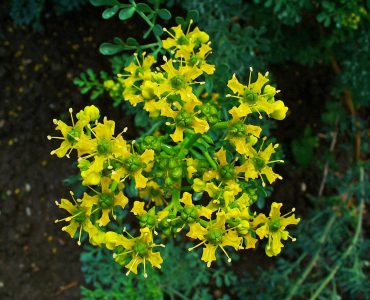
Ruta_graveolens image

Ruta Graveolens: Uses, Benefits, and Homeopathic Applications

Ruta graveolens, commonly known as rue, is a medicinal herb that has been used for centuries in both traditional and homeopathic medicine. In herbal medicine, it is often used for its anti-inflammatory, antispasmodic, and pain-relieving properties. In homeopathy, Ruta graveolens is primarily used to treat: Joint and muscle pain: Especially useful for injuries involving tendons …

rhus tox featured image

Rhus Toxicodendron: A Comprehensive Guide to Homeopathic Uses, Benefits, and Dosage

Rhus toxicodendron, also known as poison ivy, is a plant native to North America. In homeopathic medicine, it is widely used for treating various conditions, particularly those involving inflammation, pain, and skin irritation. It is prepared through a process of dilution and succussion, which makes it non-toxic in its homeopathic form. Uses of Rhus Toxicodendron …

Pasque_Flower_(Pulsatilla_vulgaris

Pulsatilla: A Guide to Its Homeopathic Uses, Safety, and Benefits

Pulsatilla, derived from the Pulsatilla vulgaris plant (commonly known as the Pasque flower), is a widely used herb in both herbal and homeopathic medicine. Traditionally, it has been used for a variety of health conditions, including: Respiratory Issues Pulsatilla is known for treating colds, sinus infections, and coughs, particularly when there is thick, yellow-green mucus. …

Strychnos-nux-vomica-L-1-whole-plant-2-the-fruit-and-3-the-seeds-A-crude-seeds

Nux Vomica: A Comprehensive Guide to Its Homeopathic Uses, Benefits, and Dosages

Nux Vomica is a homeopathic remedy derived from the seeds of the Strychnos nux-vomica tree, which contains the alkaloids strychnine and brucine. While these alkaloids are toxic in their natural form, the homeopathic preparation of Nux Vomica dilutes these compounds to safe levels, allowing for therapeutic use. Nux Vomica is primarily used for digestive issues, …

Mercurius Solubilis

Merc Sol in Homeopathy: Benefits, Uses, and Safety

Merc Sol, short for Mercurius Solubilis, is a homeopathic remedy derived from mercury, a naturally occurring element. Despite mercury’s known toxicity in its raw form, the homeopathic preparation of Merc Sol undergoes a process called potentization, which involves extreme dilution. This method ensures that the remedy retains its healing properties while being non-toxic and safe …

lycopodium-clavatum-1

Lycopodium: Homeopathic Benefits, Uses, and Potential Side Effects

Lycopodium, also known as clubmoss or wolf’s foot, refers to a genus of plants, primarily Lycopodium clavatum, which has been used in traditional and homeopathic medicine for centuries. Traditionally, Lycopodium has been applied for its diuretic, tonic, and wound-healing properties. The spores of the plant are used in herbal medicine and homeopathy, often targeting digestive …

[instagram-feed]