Ledum palustre, commonly known as wild rosemary or marsh tea, is a plant native to Northern Europe, Asia, and North America. Despite the name, Ledum is not related to rosemary but belongs to the heather family. It has long been used in herbal medicine for its anti-inflammatory and antiseptic properties.
Ledum Essential Oil
Ledum essential oil is extracted from the leaves and flowers of the Ledum palustre plant. This oil is often used for its anti-inflammatory and antioxidant properties. It is beneficial for treating muscle pain, rheumatism, and skin issues such as insect bites and bruising. Due to its strong properties, it should be diluted with a carrier oil before topical application.
Ledum Pal 30C and Homeopathy
In homeopathy, Ledum palustre 30C is a potentized form of the plant used to treat a variety of conditions, particularly those involving insect bites, puncture wounds, and conditions that are worse with warmth but better with cold. The remedy is thought to work by stimulating the body’s natural healing processes.
- Common Uses in Homeopathy: Ledum is commonly used to treat insect bites, bruising, rheumatism, and puncture wounds like those from needles or thorns.
What is Ledum Used for in Medicine?
Ledum is used for its anti-inflammatory, analgesic, and antiseptic properties. In both traditional herbal medicine and homeopathy, it is commonly used for:
- Arthritis and Rheumatism: Reduces inflammation and pain in joints and muscles.
- Bruising and Swelling: Helps heal bruises and reduce swelling, especially from injuries.
- Insect Bites and Stings: Calms irritation, itching, and swelling from mosquito bites and other insect stings.
What is Ledum Oil Used for?
Ledum essential oil is used topically to treat:
- Muscle and Joint Pain: Applied to sore muscles or aching joints to reduce pain.
- Insect Bites: Provides relief from itching and inflammation.
- Skin Conditions: May be used to treat skin irritations such as acne, eczema, or minor wounds.
| Uses | Description |
|---|
| Insect Bites and Stings | Reduces itching, swelling, and pain from mosquito bites and stings. |
| Bruises and Swelling | Helps heal bruises and reduce swelling from injuries. |
| Arthritis and Rheumatism | Alleviates joint pain and inflammation, particularly when symptoms improve with cold. |
| Puncture Wounds | Treats puncture wounds from needles, thorns, or bites. |
| Skin Conditions | Soothes skin irritation, including acne and minor wounds. |
What is the Common Name for Ledum?
The common name for Ledum palustre is wild rosemary or marsh tea. However, it should not be confused with culinary rosemary.
Is Ledum a Rosemary?
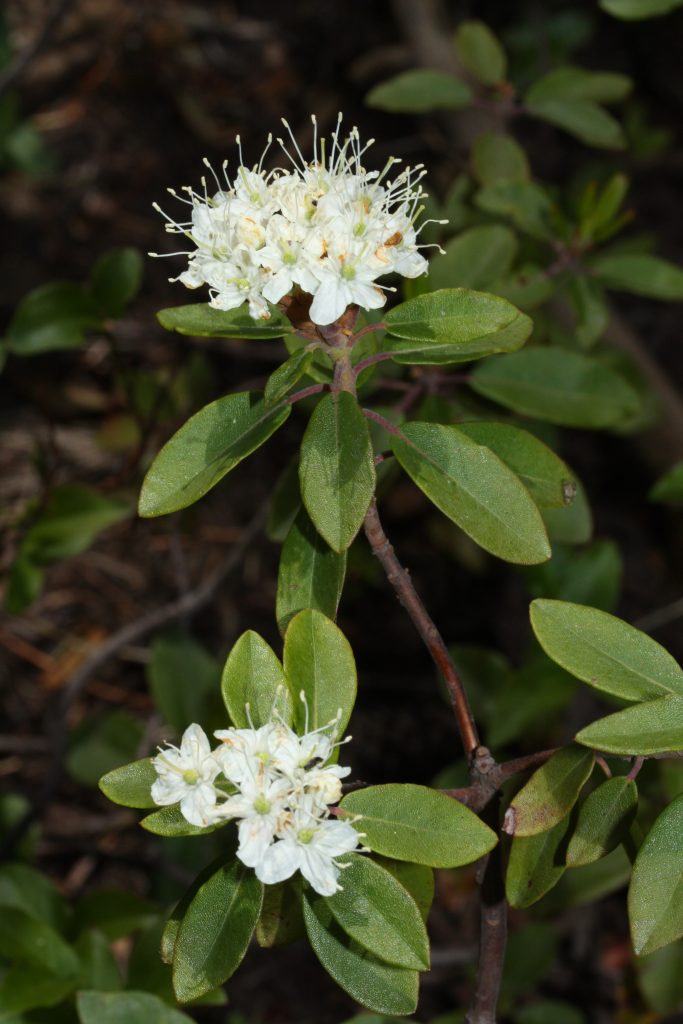
Despite its name, Ledum palustre is not a true rosemary. It belongs to the Ericaceae (heather) family, whereas culinary rosemary (Rosmarinus officinalis) is part of the mint family.
What is Ledum 81 Used for?
Ledum 81 typically refers to a homeopathic preparation of Ledum palustre, commonly used to treat puncture wounds, insect bites, and arthritis. It may also be helpful for reducing swelling and pain after injuries.
How Do You Take Ledum?
In homeopathy, Ledum palustre is usually taken as small pellets that dissolve under the tongue. For Ledum palustre 30C, the common dosage is 3-5 pellets under the tongue, 2-3 times daily, depending on the severity of symptoms. However, you should follow the advice of a healthcare provider for specific recommendations.
Does Ledum Help Mosquito Bites?
Yes, Ledum palustre is one of the most commonly recommended homeopathic remedies for mosquito bites and other insect stings. It helps reduce itching, swelling, and pain, especially when the bite area feels better with cold applications.
What Are the Ingredients in Ledum?
In its homeopathic form, Ledum consists of the potentized extract of Ledum palustre. The active ingredient is diluted in a base of lactose or sucrose pellets.
What Happens When You Take a Homeopathic Remedy?
When you take a homeopathic remedy like Ledum palustre, it works by triggering your body’s natural defense mechanisms. In theory, the remedy stimulates a healing response, helping your body recover from symptoms associated with the condition being treated, such as inflammation or itching.
| Side Effects | Description |
|---|
| Homeopathic Aggravation | Temporary worsening of symptoms may occur before improvement. |
| Allergic Reaction | Rarely, individuals may experience skin irritation or allergic reactions. |
| Overuse of Essential Oil | Can cause skin irritation or sensitization if used undiluted on the skin. |
Frequently asked questions
What is Ledum?
Ledum (Ledum palustre, also known as marsh Labrador tea or wild rosemary) is a small evergreen shrub found in cold, boggy regions across the Northern Hemisphere. In herbal and homeopathic tradition, its leaves and twigs are used to prepare remedies associated with puncture wounds, insect bites, and inflammation. It shouldn’t be confused with true rosemary, despite the “wild rosemary” nickname — the two are unrelated plants.
Ledum essential oil benefits / Benefits of Ledum essential oil
Ledum essential oil, distilled from the plant’s leaves, is used in aromatherapy and topical blends for a few traditionally claimed benefits:
- Skin support: used in diluted form for minor skin irritation
- Liver and detox support: featured in some aromatherapy protocols, though clinical evidence is limited
- Calming aroma: used diffused for a grounding, relaxing scent
- Antioxidant compounds: contains plant chemicals studied for antioxidant activity in lab settings
Ledum essential oil is potent and should always be diluted before topical use, and its plant-based claims are largely traditional rather than clinically established.
What is Ledum used for? / Ledum pal uses
In homeopathic practice, Ledum palustre is most associated with puncture-type injuries — insect bites, stings, splinters, and other small wounds where the injured area feels cold to the touch but improves with cold application. It’s also used for joint pain that starts in the lower body and moves upward, and for bruising, particularly around the eyes. These uses come from homeopathic tradition and case-based practice, not controlled clinical trials.
Ledum homeopathy uses / What is Ledum 30C used for?
Ledum 30C is a common potency used for acute situations like fresh insect bites, puncture wounds, or minor bruising. Typical homeopathic dosing involves 2 to 3 pellets taken shortly after the injury, repeated every few hours if needed as symptoms are active, then tapered off as things improve. As with other homeopathic potencies, dosing and frequency vary by practitioner and product label, and it isn’t intended as a substitute for proper wound care or medical treatment of an infected bite or puncture.
Is Ledum Pal 200 a homeopathic medicine?
Yes — Ledum Pal 200 refers to the same remedy prepared at a 200C potency, a higher dilution typically used for more established or recurring symptoms rather than a fresh, acute injury. Higher potencies like 200C are generally recommended under the guidance of a homeopathic practitioner, since selecting the right potency depends on the specific symptom picture and how the case has developed over time.
Can Ledum be used to treat tick bites?
Ledum is a commonly recommended homeopathic remedy for tick and insect bites in general use, given its traditional association with puncture wounds. It’s important to understand that Ledum isn’t a treatment for tick-borne illnesses like Lyme disease — if a tick bite shows signs of infection, a rash, or flu-like symptoms afterward, medical evaluation and, if needed, antibiotic treatment are the appropriate response, not a homeopathic remedy alone.
What are the warnings for Ledum Pal 30 use?
Ledum Pal 30 is generally considered low-risk given its dilution, but a few precautions apply. It shouldn’t replace proper wound cleaning or medical evaluation of a bite or puncture that shows signs of infection, swelling, or spreading redness. As with most homeopathic remedies, it’s recommended to avoid food, coffee, or strong flavors for about 15–30 minutes before and after taking it, and to stop use if symptoms worsen or don’t improve, seeking medical care instead. Pregnant or breastfeeding individuals and those with chronic conditions should check with a healthcare provider before regular use.
Who should not use Ledum palustre?
While homeopathic Ledum is diluted enough to be low-risk for most people, caution is generally advised for pregnant or breastfeeding individuals, infants, and anyone with a serious or infected wound that requires conventional medical treatment rather than home remedies. People relying on Ledum instead of seeking care for a tick bite with concerning symptoms (fever, rash, joint pain) should not delay medical evaluation, since homeopathic treatment isn’t a substitute for diagnosing or treating tick-borne infections.
Which homeopathic medicines should not be taken together?
Classical homeopathy generally advises against combining multiple remedies at the same time, since practitioners believe overlapping remedies can confuse the body’s response and make it harder to judge which one is working. Strongly aromatic or “antidoting” substances — like coffee, camphor, and strong-smelling essential oils — are also traditionally avoided around the time a remedy is taken, as they’re believed to counteract its effect. There’s no standardized clinical list of dangerous remedy combinations the way there is for pharmaceutical drug interactions, so anyone using multiple homeopathic remedies is generally advised to consult a homeopathic practitioner rather than self-combine treatments.
What is the best homeopathic medicine for insect bites?
Several remedies are commonly recommended depending on the type of reaction:
- Ledum palustre: for puncture-type bites and stings that feel better with cold
- Apis mellifica: for swelling, redness, and stinging pain, especially from bee or wasp stings
- Hypericum: for bites affecting nerve-rich areas, like fingers or toes
- Staphysagria: sometimes used for itchy, irritating insect bites
The “best” remedy depends on the specific symptoms and how the bite reacts, which is why homeopathic practice relies on matching the remedy to the individual case rather than a single universal treatment.
What blood type do ticks hate?
There’s no strong scientific consensus that ticks are reliably repelled or attracted by a specific blood type. Some limited studies have explored whether mosquitoes show a preference for certain blood types (with Type O showing weak associations in a few studies), but this research doesn’t translate directly to ticks, and no well-established research confirms ticks avoid any particular blood type. Ticks are drawn primarily to body heat, carbon dioxide, and certain skin compounds rather than blood type, so protective clothing, repellents, and tick checks remain the most reliable prevention methods regardless of blood type.
What is Ledum essential oil used for?
Ledum essential oil is derived from the plant Ledum groenlandicum (commonly known as Labrador tea). It is used in aromatherapy and natural medicine for its anti-inflammatory, detoxifying, and antioxidant properties.
Common Uses:
Liver support and detox: Often used in detox blends to support liver function.
Joint and muscle inflammation: Applied topically (diluted) for conditions like arthritis, sprains, or general inflammation.
Skin conditions: Used to calm irritated skin, including eczema and bug bites.
Immune support: Sometimes diffused to help strengthen immunity during illness.
💡 Note: It is a potent oil and should always be diluted before topical use. It’s less commonly used than oils like lavender or peppermint, but highly valued in holistic medicine.
What is Ledum ointment used for?
Ledum ointment is a topical preparation typically made using Ledum palustre extract or essential oil. It is used for treating inflammatory skin conditions, insect bites, bruises, stings, and joint pain.
Key Uses:
Bug bites and stings: Reduces itching, swelling, and pain.
Bruises and hematomas: Promotes faster healing and reduces discoloration.
Joint pain: Especially in cases of gout or arthritis.
Post-injury care: To ease inflammation or pain after sprains or blunt trauma.
✅ It is often included in homeopathic first aid kits.
What is the common name for Ledum?
The common name for Ledum (particularly Ledum palustre) is Wild Rosemary or Marsh Labrador Tea.
Other Common Names:
Labrador Tea
Northern Labrador Tea
Marsh Tea
Swamp Tea
Wild Ledum
It is a shrub-like plant found in cold, boggy regions, particularly in northern Europe, Canada, and parts of the U.S.
What are the side effects of Ledum Marsh?
Ledum Marsh (short for Ledum palustre) is generally safe when used correctly, especially in homeopathic doses, but may have side effects or risks if improperly used.
Potential Side Effects:
Skin irritation when applied topically in concentrated form without dilution.
Allergic reactions: Itching, redness, rash, especially in sensitive individuals.
Toxicity in large doses: The raw plant can be toxic if ingested in quantity — symptoms might include nausea, dizziness, or vomiting.
Pregnancy concerns: Not recommended for internal use during pregnancy due to lack of safety data.
⚠️ Always consult a healthcare provider before internal use or if pregnant/breastfeeding.
How do you take Ledum?
The method of taking Ledum depends on the form:
a) Homeopathic Ledum (e.g., Ledum palustre 30C or 200C):
Oral tablets or pellets: Dissolved under the tongue, typically used for insect bites, joint pain, or bruising.
Dosage: Depends on condition and potency (commonly 30C, 200C). Follow the instructions on the label or consult a homeopath.
b) Ledum essential oil:
Topically (diluted): Mixed with a carrier oil (e.g., jojoba, coconut) and applied to affected areas.
Aromatically: Diffused for detoxification or calming effects.
Not for internal use unless under the care of a professional trained in aromatherapy.
Does Ledum help with swelling?
Yes, Ledum is known to help with swelling, particularly in cases of:
- Insect bites or stings
- Bruises
- Joint inflammation
- Sprains and trauma
How It Works:
Ledum has anti-inflammatory and analgesic (pain-relieving) properties. In homeopathy, it’s often recommended for “puncture wounds” and swollen injuries, especially where the swelling is cold to the touch but relieved by cold applications — a key Ledum trait.
Can you put Helichrysum oil directly on skin?
Yes, Helichrysum essential oil is generally safe to apply to the skin, but it should be diluted with a carrier oil, especially for people with sensitive skin.
Uses and Benefits:
- Promotes healing of wounds, bruises, and scars
- Reduces inflammation and redness
- Eases joint and muscle pain
- Helps with skin regeneration and anti-aging
Recommended Dilution:
- Mix with a carrier oil at 1–5% dilution (e.g., 1–5 drops per teaspoon of carrier oil).
⚠️ Although it’s gentle, always do a patch test before full application to ensure no allergic reaction occurs.
What is the strongest essential oil for pain?
Several essential oils are known for strong pain-relieving (analgesic) properties. While it varies depending on the type of pain, here are some of the most powerful:
Strongest Essential Oils for Pain Relief:
| Essential Oil | Known For |
|---|---|
| Peppermint | Cooling effect, relieves headaches, muscle pain |
| Helichrysum | Reduces inflammation, heals tissue, bruising |
| Clove | Strong analgesic; good for dental or nerve pain |
| Frankincense | Anti-inflammatory, helps with chronic pain |
| Wintergreen | Contains methyl salicylate (like aspirin); great for joint/muscle pain |
| Ginger | Excellent for arthritis and inflammation |
| Eucalyptus | Soothes sore muscles and respiratory pain |
Conclusion
Ledum palustre, also known as wild rosemary, offers a wide range of benefits in both traditional herbal medicine and homeopathy. From easing insect bites and soothing bruises to alleviating joint pain, Ledum provides versatile and effective treatment options. As always, consult a healthcare provider for advice on proper dosage and use.