In the gut, a diverticulum is like a little pocket/out-pouching that forms in the wall of the large bowel, probably as a result of spasm in the muscle in the bowel wall. Diverticulae are very common and get more common as people get older, around 15 per cent of people aged over 40 have a number of small diverticulae.
They are uncommon below the age of 40 but by the time people reach their eighties everyone has diverticulae in their bowel.
On their own they are harmless and may never cause problems, but if they get inflamed or infected, then they cause symptoms and this is diverticulitis. The most common symptoms are pain and local tenderness in the left lower part of the abdomen and often accompanied by fever.
Bleeding can also occur from diverticulae.
Patients often get episodes of bouts of pain that last several days and then settle for weeks or even months. The diagnosis is usually made with endoscopy (looking into the bowel through a tube), barium enema X-ray and excluding other causes of the symptoms.
It is thought that the small pockets may represent natural weak points in the bowel wall present from birth, that develop in this way over time as a result of the natural build up of pressure that occurs within the colon, particularly when straining to open the bowels. Diverticulitis is a fairly common cause of abdominal discomfort in later life.
The management of diverticulitis is to keep food moving through the intestinal tract so that it does not get trapped in the pouches, stagnate and become infected. A high soluble fibre diet and plenty of fluid plays an important part in keeping the symptoms at bay.
Nutritional Supplements that could help. (Refer to the individual supplement for cautions in use.)
| Supplement/Herb | What it does | Dosage |
|---|---|---|
| Acidophilus | To keep the intestines populated with good bacteria and infection free. It improves digestion, assimilation and absorption. Particularly needed if you are taking anti-biotics. | as directed |
| Bromelain | Take between meals to improve digestion and reduce intestinal inflammation. | as directed |
| Digestive enzymes | Help to break down protein foods that can be hard to digest. | as directed |
| Fish Oil | Omega 3 fatty acids help reduce inflammation, improve lympatic functions and are protective to the intestinal cell walls. | 1000 to 2000mg 3 to 4 times daily. |
| L Glutamine | To help repair damage to the walls of the intestines. | as directed |
| Alfalfa | Supplies vitamin K which is often deficient in digestive disorders. High in chlorophyll, a green pigment which detoxifies and aids healing. | 500 to 1000mg daily |
| Aloe Vera | Soothes, cleanses, heals and lubricates the digestive system. Good for constipation. | 15 to 30ml of juice 3 times daily |
| Garlic | upports digestions and destroys harmful bacteria and parasites. Helps fight infection. | Hi potency aged or whole bulb product with each meal. |
| Liquorice | Relieves allergic inflammation, soothes digestive tract and fights infections. | 250 to 500mg standardised extract or a cup of root tea 3 times daily. |
| Peppermint. | For digestive discomfort. | tea drunk 3 to 4 times daily. |
| Slippery Elm | High mucilage content that soothes, heals and protects the digestive tract. Acts as a soluble fibre to keep bowel movement regular and prevent constipation. | 500 to 1000mg of bark powder capsules 2 to 4 times daily. |
| Fibre in the form of oat bran, psyllium, ground linseeds | These help to keep stools bulky and lubricated, thus allowing regular and easy passage through the system. Prevent constipation and food becoming trapped in the pouches, which leads to infection. Ground linseeds also provide omega 3 fatty acids. | Use amounts as directed Take 1 hour before each meal with a large glass of water. |
Diet and Lifestyle Factors
Diverticulitis is one of the major diseases of our western diet with excessive consumption of refined and commercially produced foods which contain little or no fibre. Avoid foods which slow down and clog up the digestive system such as white bread, white pasta, white rice, cakes, biscuits, pastries and any other refined carbohydrates.
Avoid or reduce:
- Animal proteins which can be difficult to breakdown and thus easily putrify in the gut causing allergic inflammation and increased risk of infection.
- Foods with large numbers of tiny seeds such as figs, tomatoes, gooseberries, passion fruit, kiwi fruit, grapes and pomegranits.
- Wheat and other grains as the husks can become trapped in the pouches causing inflammation and discomfort. Wheat bran is especially irritating to the digestive tract. (Oats and brown rice seem to be okay.)
- Foods that worsen inflammatory bowel conditions such as animal fats, fried foods, dairy products, peppers, potatoes, tomatoes, aubergines, refined sugars, pickles, caffeinated drinks and alcohol.
- Foods which you are intolerant to. There is no general rule about what to avoid, because dietary intolerance varies from person to person.
Stimulants such as tea, coffee and tobacco can make intestinal discomfort worse. Emotional stress usually does the same, but of course it’s a bit more difficult to avoid. If there are no obvious culprits in your diet to date, then remain cautious about fatty and spicy foods. A food intolerance test which you can do at home is available from Food Detective.
Increase your intake of:
- Fresh fruit and vegetables, brown rice and oats to give fibre to the stools.
- Water, aim to drink 3 pints daily.
- Garlic, green leafy vegetables, oily fish, ginger, papaya, pineapples.
- Always eat slowly and chew food thoroughly.
- Exercise regularly to help tone the muscles of the abdomen and digestive system and therefore keep bowels moving easily.
- Maintain your ideal weight.
FAQ
What are the symptoms of diverticulosis?
Diverticulosis — the presence of small pouches (diverticula) in the colon wall — often causes no symptoms at all and is frequently discovered incidentally during a colonoscopy or imaging for another reason. When symptoms do occur, they tend to be mild and can include bloating, mild abdominal cramping (usually in the lower left side), constipation, or occasional changes in bowel habits. These symptoms overlap with other digestive conditions, which is why diverticulosis is typically confirmed through imaging rather than symptoms alone.
How do you treat diverticulitis?
Treatment depends on severity. Mild, uncomplicated cases are often managed at home with:
- A temporary liquid or low-fiber diet: gives the colon time to rest and heal
- Antibiotics: prescribed for cases involving infection
- Pain relief: typically acetaminophen, since NSAIDs may increase complication risk in some cases
- Gradual return to a high-fiber diet: introduced once symptoms improve
More severe cases — involving high fever, significant pain, or complications like an abscess or perforation — usually require hospitalization, IV antibiotics, or in some cases surgery. Any suspected diverticulitis flare should be evaluated by a doctor, since symptoms can escalate quickly if untreated.
What triggers diverticulitis flare-ups?
Diverticulitis develops when diverticula become inflamed or infected, and while the exact trigger for a given flare isn’t always clear, several factors are associated with higher risk:
- Low-fiber diet: linked to higher pressure in the colon over time
- Constipation or straining: increases pressure on the colon wall
- Obesity: associated with a higher risk of flare-ups
- Smoking: linked to increased complications and flare frequency
- Certain medications: including NSAIDs and steroids, which may raise risk
- Lack of physical activity: associated with higher rates of diverticulitis
Fiber intake in particular plays a dual role — a low-fiber diet is linked to diverticula forming in the first place, while a temporary low-fiber diet is often recommended during an active flare to reduce colon irritation.
What happens when you have diverticulitis?
During a diverticulitis flare, one or more of the small pouches in the colon becomes inflamed or infected, causing symptoms like sharp or cramping abdominal pain (most often in the lower left side), fever, nausea, and changes in bowel habits such as constipation or diarrhea. In more serious cases, the inflammation can lead to complications like an abscess, a perforation in the colon wall, or a fistula connecting the colon to another organ. Most cases are uncomplicated and respond to diet changes and antibiotics, but symptoms that worsen or include high fever and severe pain need prompt medical attention to rule out complications.
What is poop like with diverticulosis?
Diverticulosis itself doesn’t have one defining stool pattern, since many people with the condition have normal bowel movements. When changes do occur, they can include harder, pellet-like stools linked to constipation, occasional mucus, or alternating constipation and looser stools. Blood in the stool can occur if a diverticulum bleeds — this can range from small streaks to a more significant amount — and should always be evaluated by a doctor rather than assumed to be a normal part of the condition.
What are 7 foods to avoid if you have diverticulitis?
During an active diverticulitis flare, doctors typically recommend a temporary low-fiber or liquid diet, avoiding foods that can irritate the colon, including:
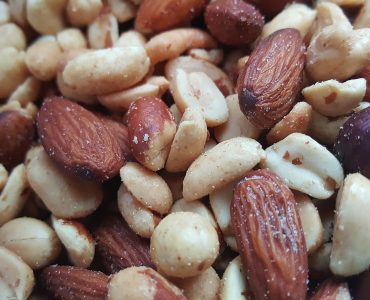
- Nuts and seeds: once thought to lodge in diverticula, though newer evidence has softened this concern for most people during remission
- Raw vegetables: harder to digest during a flare
- Whole grains and bran: high fiber content that’s better reintroduced gradually after recovery
- Popcorn: similar concern to nuts and seeds, though evidence is limited
- Red meat: some studies link high red meat intake to increased diverticulitis risk over time
- Fried and processed foods: harder to digest and linked to inflammation
- Spicy foods: can irritate the digestive tract during an active flare
These restrictions are typically temporary — once a flare resolves, most people are encouraged to gradually return to a high-fiber diet, since long-term fiber intake is actually linked to a lower risk of future flares.

![vitamin c food sources Citrus fruits, tomatoes and tomato juice, and potatoes are major contributors of vitamin C to the American diet [8]. Other good food sources include red and green peppers, kiwifruit, broccoli, strawberries, Brussels sprouts, and cantaloupe, photo, poster](https://www.healthandwellbeingnews.com/wp-content/uploads/2024/01/vitamin_c_food_sources_Citrus_fruits_tomatoes_a-370x300.jpg)