Rosacea acne can be frustrating and embarrassing, leaving you with redness, bumps, and even burning sensations. But it’s important to remember you’re not alone, and there are ways to manage it effectively. Let’s delve into your questions and guide you towards clearer, calmer skin.
Understanding Rosacea Acne:
What is it? Rosacea acne is a chronic skin condition characterized by redness, pimples, and inflammation on the face. Unlike regular acne, it rarely forms deep pustules or blackheads.
Symptoms: Look for persistent redness in the central parts of your face, especially around the nose and cheeks. Tiny bumps, visible blood vessels, and burning or stinging sensations are also common.
Minimizing Triggers:
Prevention: While a cure doesn’t exist, identifying and avoiding your triggers can significantly reduce flare-ups. Common triggers include sun exposure, spicy foods, hot beverages, emotional stress, and certain skincare products.
First Steps: If you suspect rosacea acne, consult a dermatologist for diagnosis and personalized treatment. Early intervention is key to managing symptoms and preventing potential complications.
Treatment Options:
Redness: Laser therapy can help diminish persistent redness in severe cases. Topical medications like azelaic acid and brimonidine can also offer relief.
Papules and pustules: Antibiotics, either topical or oral, can help control inflammation and reduce bumps. Topical retinoids might also be recommended.
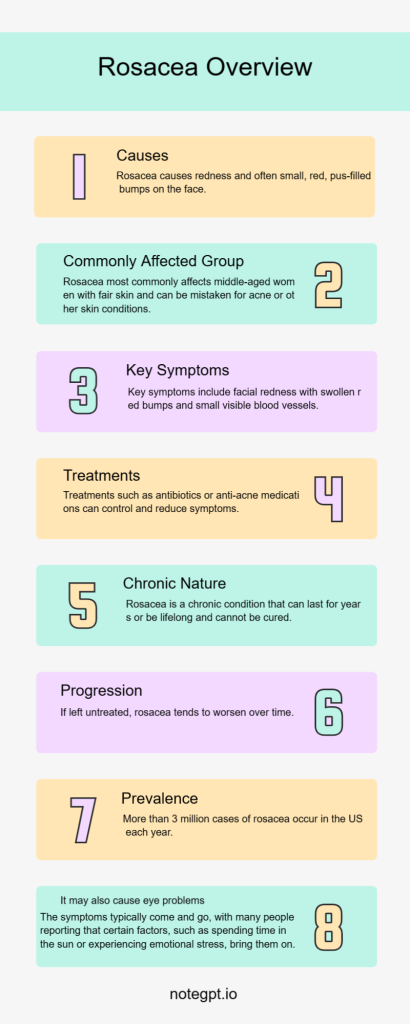
Rosacea is a long-term inflammatory skin condition that causes reddened skin and a rash, usually on the nose and cheeks.
Living with Rosacea Acne:
Triggers:
Keep a diary to identify triggers and adjust your habits accordingly. Limiting triggers and practicing sun protection significantly improves skin health.
Products:
Choose gentle, fragrance-free skincare products and avoid harsh scrubs or exfoliants. Look for products containing soothing ingredients like niacinamide and green tea.
Support:
Remember, you’re not alone! Connecting with others who understand the condition can provide valuable support and advice. Consider joining online communities or support groups.
Beyond Rosacea:
Misdiagnosis: Some skin conditions like seborrheic dermatitis or perioral dermatitis can mimic rosacea. A dermatologist can accurately diagnose and ensure you receive the right treatment.
Root Cause:
The exact cause of rosacea is unknown, but genetics, sun exposure, and inflammation likely play a role.
what are the diet and the recommendations for people treating rosacea?
When it comes to managing rosacea through diet and lifestyle, the focus lies on reducing inflammation and minimizing triggers that can worsen flare-ups. Here’s how you can approach it:
Dietary tips:
- Anti-inflammatory foods: Embrace fruits like cherries, berries, and leafy greens rich in antioxidants and anti-inflammatory compounds. Omega-3 fatty acids found in fatty fish like salmon and tuna can also be beneficial.
- Prebiotics and probiotics: Support your gut health with prebiotic-rich foods like onions, garlic, bananas, and legumes. Consider incorporating fermented foods like kimchi, kefir, and yogurt containing beneficial probiotics.
- Reduce inflammatory triggers: Certain foods can trigger flare-ups in some people. Identify your personal triggers and try to limit them. Common culprits include spicy foods, alcohol, hot beverages, dairy products, and processed foods.
- Stay hydrated: Drink plenty of water throughout the day to keep your skin hydrated and flush out toxins.
General recommendations:
- Sun protection: Sun exposure is a major trigger for rosacea. Make sunscreen a non-negotiable part of your daily routine, even on cloudy days. Look for broad-spectrum sunscreens with SPF 30 or higher.
- Stress management: Stress can exacerbate rosacea symptoms. Practice relaxation techniques like yoga, meditation, or deep breathing to manage stress levels.
- Gentle skincare: Choose gentle, fragrance-free skincare products designed for sensitive skin. Avoid harsh scrubs and exfoliants that can irritate the skin.
- Regular sleep: Prioritize sleep for optimal health and skin wellness. Aim for 7-8 hours of quality sleep each night.
- Listen to your skin: Pay attention to how your skin reacts to different foods, products, and environmental factors. This self-awareness will help you identify and avoid your triggers.
Remember, managing rosacea is a personal journey. What works for one person might not work for another. Experiment, consult a dermatologist or a registered dietitian for personalized guidance, and discover what helps your skin thrive.
Additional resources:
- National Rosacea Association: https://www.rosacea.org/
- American Academy of Dermatology: https://www.aad.org/
Preventing Outbreaks:
Lifestyle:
Managing stress, practicing good sleep hygiene, and maintaining a healthy diet can all contribute to calmer skin.
Sun Protection:
Sun exposure is a major trigger. Apply sunscreen daily, even on cloudy days, and wear protective hats when outdoors.
While rosacea acne might feel like a challenge, remember that knowledge and proactive management are your allies. By understanding your triggers, adopting gentle skincare practices, and seeking professional guidance when needed, you can minimize flare-ups and achieve clearer, more comfortable skin.
Real Rosacea Stories: How People Manage Rosacea Acne + What to Avoid
These are stories of real people who have dealt with rosacea, a common yet often misunderstood skin condition. For privacy, their names have been changed, but the experiences and results they share are genuine. Alongside positive outcomes, one story highlights a bad experience to remind readers of potential side effects and the importance of proper treatment.
Anna’s Story: Finding Relief with Consistent Skincare
Anna struggled with persistent redness and small pimples on her cheeks for years. After learning about rosacea and adjusting her routine—avoiding harsh cleansers and using dermatologist-prescribed treatments—her flare-ups reduced dramatically. Anna used gentle, fragrance-free products and incorporated sunscreen daily. She found that managing rosacea acne required patience but the improvement was well worth it.
James’s Story: Lifestyle Changes That Helped Control Rosacea Pimples
James noticed that his rosacea pimples flared up especially after drinking hot coffee and spending long hours under the sun. By tracking his triggers, avoiding spicy foods, and using calming topical treatments, he saw a significant reduction in redness and swelling. His story highlights the importance of identifying what triggers rosacea pimples for effective control.
Maria’s Story: Identifying Rosacea vs. Acne
Maria initially thought she had regular acne but later discovered her symptoms were rosacea—characterized by persistent facial redness, visible blood vessels, and burning sensations. After a proper diagnosis, her treatment plan included prescription antibiotics and gentle skincare, which improved her skin dramatically. She emphasizes the importance of professional diagnosis since rosacea and acne treatments differ significantly.
Ethan’s Cautionary Tale: When Untreated Rosacea Worsens
Ethan ignored his rosacea symptoms for months, thinking it was just temporary acne. Eventually, his condition worsened, leading to more intense redness and thickening of skin, especially around his nose (rhinophyma). His experience is a warning: it is not okay to leave rosacea untreated, as complications can develop. He now urges others to seek early medical advice.
Answers to Common Questions About Rosacea
What causes rosacea on the face?
Rosacea is caused by a combination of genetic, immune, and environmental factors, including abnormal blood vessel responses and inflammation. Source: Mayo Clinic
How do you treat rosacea acne?
Rosacea acne is treated with topical antibiotics, anti-inflammatory medications, and gentle skincare. Avoiding triggers and using sunscreen are also essential. Source: American Academy of Dermatology
What triggers rosacea pimples?
Common triggers include sun exposure, hot or spicy foods, alcohol, stress, heat, and certain skincare products.
How do I know if my acne is rosacea?
Rosacea acne usually involves persistent redness, visible blood vessels, burning or stinging sensations, and pimples without blackheads, distinguishing it from typical acne.
Can acne rosacea go away?
Rosacea is a chronic condition without a cure, but symptoms can be well-managed and controlled with treatment.
Why did I suddenly get rosacea?
Rosacea can appear suddenly due to changes in immune response, exposure to new triggers, hormonal changes, or stress.
Is it okay to leave rosacea untreated?
No, leaving rosacea untreated can lead to worsening symptoms and complications like skin thickening. Early treatment prevents progression.
What vitamin deficiency causes rosacea?
Vitamin D deficiency has been linked to worsening rosacea symptoms, though evidence is still emerging.
What is the biggest trigger for rosacea?
Sun exposure is the most common and significant trigger for rosacea flare-ups.
Is rosacea linked to gut health?
Emerging research suggests a link between rosacea and gut health, including small intestinal bacterial overgrowth (SIBO). Treating gut imbalances may improve symptoms.