What is alopecia and what causes it?
Alopecia refers to hair loss, which can occur on the scalp or any part of the body. It is often caused by factors such as aging, heredity, hormonal changes, and certain medical conditions.
What are the different types of alopecia?
There are various types of alopecia, including:
- Alopecia areata
- Androgenetic alopecia
- Alopecia totalis
- Alopecia universalis
- Traction alopecia
- Telogen effluvium
- Anagen effluvium
What are the common symptoms of alopecia?
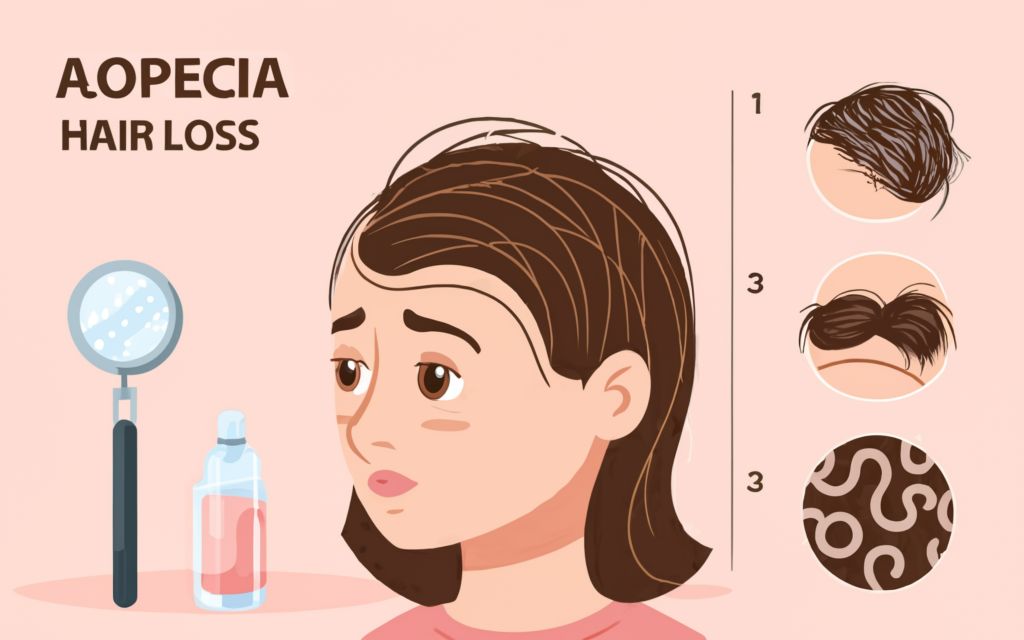
The symptoms of alopecia can vary depending on the type, but common signs include:
- Round or oval bald patches on the scalp
- Sudden hair loss
- Hair thinning or shedding
- Complete hair loss on the scalp or body
Is alopecia a reversible condition?
Alopecia can be reversible in some cases, especially with the right treatment. However, the regrowth of hair can be unpredictable and may vary from person to person.
How does alopecia affect men and women differently?
While alopecia can affect both men and women, the specific types and patterns of hair loss may differ. For instance, androgenetic alopecia is more common in men, causing a receding hairline, while women may experience overall thinning of the hair.
What are the available treatment options for alopecia?
Treatment options for alopecia include:
- Medications such as minoxidil and finasteride
- Corticosteroid injections
- Topical immunotherapy
- Hair transplant surgery
- Low-level laser therapy
Are there any natural remedies or lifestyle changes that can help manage alopecia?
While natural remedies and lifestyle changes may not fully reverse alopecia, some individuals find relief through practices such as scalp massage, stress reduction, and a balanced diet rich in essential nutrients for hair health [8].
Can stress or certain medical conditions contribute to alopecia?
Stress and medical conditions like thyroid disease, lupus, and hormonal imbalances can contribute to alopecia. Addressing these underlying issues is important in managing hair loss [7, 11].
How to treat alopecia at home: 3 recipes with step-by-step instructions
1. Rosemary Essential Oil Scalp Massage
Ingredients:
- 2-3 drops of rosemary essential oil
- 1 tablespoon of carrier oil (such as coconut oil or jojoba oil)
Instructions:
- Mix the rosemary essential oil with the carrier oil in a small bowl.
- Part your hair into sections to access the scalp.
- Using your fingertips, gently massage the oil mixture into your scalp in circular motions for 5-10 minutes.
- Ensure the oil is evenly distributed throughout your scalp.
- Leave the oil on for at least 30 minutes or overnight for maximum absorption.
- Rinse your hair thoroughly with warm water and shampoo as usual.
- Repeat this scalp massage 2-3 times per week for best results.
2. Aloe Vera and Coconut Milk Hair Mask
Ingredients:
- 2 tablespoons of fresh aloe vera gel
- 3-4 tablespoons of coconut milk
Instructions:
- In a bowl, mix the fresh aloe vera gel with coconut milk until well combined.
- Apply the mixture generously to your scalp and hair, ensuring thorough coverage.
- Gently massage the mask into your scalp for a few minutes to promote circulation.
- Leave the mask on for 30-60 minutes to allow the nutrients to penetrate the hair follicles.
- Rinse your hair with lukewarm water and shampoo as usual.
- Use this hair mask once a week to nourish your scalp and hair.
3. Onion Juice Hair Rinse
Ingredients:
- 1-2 onions
- Cheesecloth or fine strainer
Instructions:
- Peel and chop the onions into small pieces.
- Place the chopped onions in a blender or food processor and blend until you get a smooth consistency.
- Strain the blended onion mixture through a cheesecloth or fine strainer to extract the juice.
- Massage the onion juice directly onto your scalp, focusing on areas affected by alopecia.
- Leave the onion juice on your scalp for 15-30 minutes.
- Rinse your hair thoroughly with water to remove the onion smell.
- Shampoo and condition your hair as usual.
- Use this onion juice rinse 1-2 times per week as part of your hair care routine.
These home remedies may help nourish the scalp, stimulate hair growth, and improve the overall health of your hair. However, individual results may vary, and it’s essential to be consistent with your chosen treatment method and consult a healthcare professional for personalized advice and guidance.
Is alopecia hereditary?
Alopecia can have a hereditary component, especially androgenetic alopecia, which is often referred to as male or female pattern baldness [2, 8].
Are there any preventive measures to reduce the risk of alopecia?
While some types of alopecia are not preventable, maintaining a healthy lifestyle, managing stress, and addressing underlying medical conditions can help reduce the risk of certain forms of hair loss [8].
How does alopecia impact emotional well-being and self-esteem?
Alopecia can have a significant impact on emotional well-being and self-esteem, leading to feelings of self-consciousness and distress. Seeking support from healthcare professionals and support groups can be beneficial in coping with the emotional effects of hair loss [6,11].
Are there support groups or resources available for individuals experiencing alopecia?
Several organizations, such as the National Alopecia Areata Foundation, provide valuable resources, support groups, and information for individuals experiencing alopecia. These resources can offer emotional support and practical guidance for managing the condition [10, 11].
What are the potential side effects of alopecia treatments?
Some potential side effects of alopecia treatments include skin irritation, itching, and in the case of medications, potential sexual side effects. It’s important to discuss potential side effects with a healthcare provider before starting any treatment [5].
Can alopecia be a sign of an underlying health problem?
Alopecia can be a sign of an underlying health problem, especially if it is sudden or severe. It’s important to consult a healthcare provider to rule out any potential medical conditions contributing to hair loss [7].
Are there any ongoing research or clinical trials for new alopecia treatments?
Ongoing research and clinical trials are exploring new treatment options for alopecia, including medications and therapies aimed at promoting hair regrowth. Individuals interested in participating in clinical trials can discuss this option with their healthcare provider [5].
How long does it take to see results from alopecia treatments?
The timeline for seeing results from alopecia treatments can vary depending on the type of treatment and the individual’s response. It’s important to have realistic expectations and follow the treatment plan as advised by a healthcare provider [5].
Can alopecia affect scalp health or lead to other complications?
Alopecia can impact scalp health, potentially leading to issues such as sunburn and skin sensitivity. Additionally, the emotional impact of alopecia can contribute to stress, which may indirectly affect overall well-being. It’s important to address both the physical and emotional aspects of alopecia [6,9].
Are there special considerations for managing alopecia in children or older adults?
Managing alopecia in children and older adults may require special considerations, as the underlying causes and treatment options can differ. It’s important to consult a healthcare provider with experience in treating alopecia in these specific age groups [8].
What should I discuss with my healthcare provider if I suspect I have alopecia?
If you suspect you have alopecia, it’s important to discuss your symptoms, medical history, and any potential triggers or underlying health conditions with a healthcare provider. They can provide an accurate diagnosis and recommend an appropriate treatment plan [7].
Is hair transplantation a viable option for individuals with alopecia?
Hair transplantation can be a viable option for individuals with certain types of alopecia, especially androgenetic alopecia. It involves transferring hair follicles from a donor area to the balding or thinning areas. However, it’s essential to consult with a qualified hair restoration specialist to determine if this procedure is suitable [5].
References:
https://en.wikipedia.org/wiki/Alopecia_areata
https://www.pennmedicine.org/for-patients-and-visitors/patient-information/conditions-treated-a-to-z/hair-loss-alopecia-areata
https://www.aad.org/public/diseases/hair-loss/types/alopecia/symptoms
https://www.aad.org/public/diseases/hair-loss/types/alopecia/treatment
https://www.niams.nih.gov/health-topics/alopecia-areata
https://www.healthline.com/health/alopecia-types
https://www.msdmanuals.com/home/skin-disorders/hair-disorders/alopecia-hair-loss
https://nyulangone.org/conditions/hair-loss/types
https://www.healthline.com/health/alopecia-areata