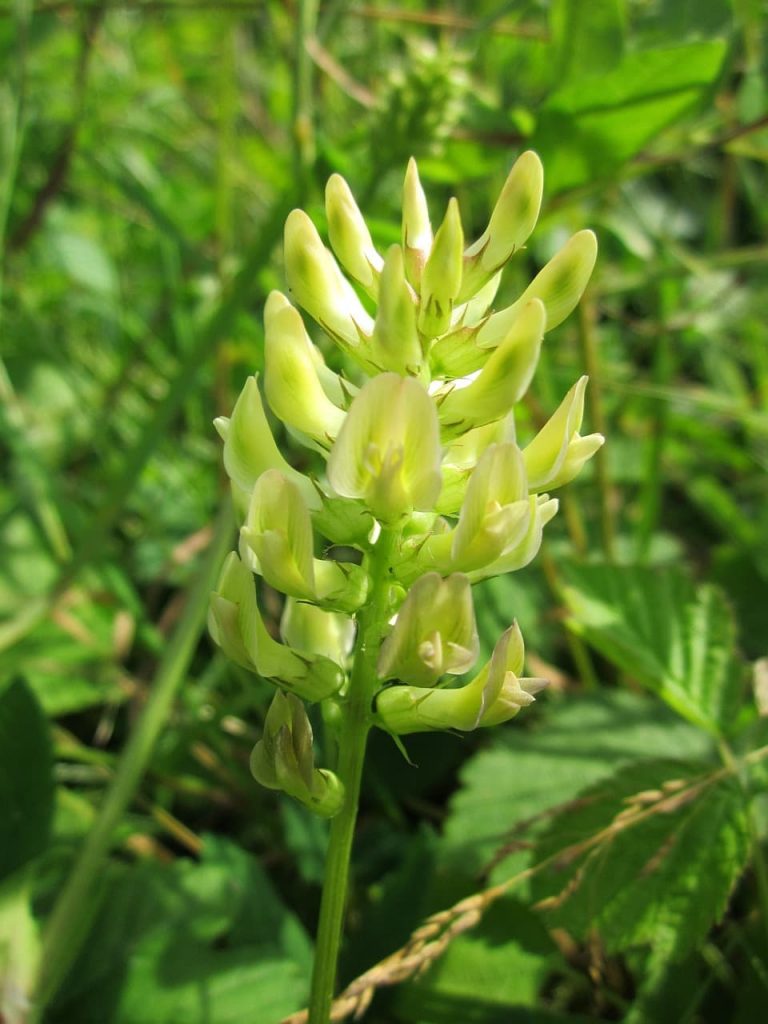
Astragalus (astragalus membranaceus) is native to northern China and the elevated regions of the Chinese provinces, Yunnan and Sichuan. The portion of the plant used medicinally is the four- to seven-year-old dried root, collected in the spring.
In the classical treatise Shen Nung Pen Tsao Ching (circa A.D. 100) astragalus is classified as a superior herb. The Chinese name huang qi translates as “yellow leader,” referring to the yellow colour of the root and its status as one of the most important tonic herbs. Traditional Chinese Medicine used this herb for night sweats, deficiency of chi (e.g., fatigue, weakness, and loss of appetite), and diarrhoea.
What it does
Astragalus contains many different active compounds including amino acids and minerals. It has both a boosting and balancing effect on the immune system. Astragalus has also been shown to increase interferon production and secretion and increase white blood cell activity.
Potential Uses
| Immune support | Cardiovascular health | Stress |
| Water retention | Fatigue | Chronic fatigue syndrome |
| Tired all the time | Colds |
What is Astragalus membranaceus good for?
Astragalus membranaceus, commonly known as astragalus, is revered for its immune-boosting properties. It supports the body’s natural defense mechanisms, making it a valuable supplement for overall well-being.
Who should not take Astragalus?
Individuals with autoimmune disorders, such as rheumatoid arthritis or lupus, should exercise caution or consult a healthcare professional before using astragalus. It may stimulate the immune system, potentially exacerbating these conditions.
Is Astragalus membranaceus good for the brain?
Astragalus exhibits potential neuroprotective properties due to its antioxidants and anti-inflammatory compounds. While research is ongoing, it may contribute to brain health and cognitive function.
What are the negative side effects of Astragalus?
While generally considered safe, excessive consumption of astragalus may lead to mild gastrointestinal discomfort or allergic reactions. It’s crucial to follow recommended dosages and consult a healthcare provider if any adverse reactions occur.
Who Cannot use Astragalus root?
Individuals scheduled for surgery or those with bleeding disorders should avoid astragalus, as it may affect blood clotting. Additionally, pregnant and breastfeeding individuals should consult a healthcare professional before use.
Is Astragalus hard on the liver?
Astragalus is generally considered safe for the liver when used in appropriate doses. In fact, some studies suggest it may have hepatoprotective properties, potentially supporting liver health.
Is it safe to take Astragalus everyday?
When taken in recommended doses, astragalus is generally safe for daily consumption. However, it’s advisable to consult a healthcare professional before starting any long-term supplementation regimen.
What is the warning for Astragalus?
Astragalus may interact with certain medications, particularly immunosuppressants and drugs that affect blood clotting. Individuals on medication regimens should seek advice from a healthcare provider before using astragalus.
Is Astragalus OK for kidneys?
Astragalus may offer potential benefits for kidney health. Some studies suggest it may help regulate blood pressure and improve kidney function. However, those with existing kidney conditions should consult a healthcare professional before use.
Recipe 1: Astragalus Immune-Boosting Tea
Ingredients:
- 1 tablespoon dried Astragalus root slices
- 8 ounces hot water
Instructions:
- Place the dried astragalus slices in a cup.
- Pour hot water over them and let steep for 15-20 minutes.
- Remove the astragalus slices and enjoy the tea.
Recipe 2: Astragalus-Infused Honey
Ingredients:
- 1/4 cup raw honey
- 2 tablespoons dried Astragalus root powder
Instructions:
- Mix the astragalus powder and honey thoroughly.
- Allow it to infuse for a day.
- Use this honey as a natural sweetener in beverages or as a topping.
Recipe 3: Astragalus and Mushroom Immune-Boosting Soup
Ingredients:
- 1 tablespoon dried Astragalus root slices
- 1 cup mixed mushrooms (shiitake, maitake, etc.)
- 4 cups vegetable broth
- 2 cloves garlic, minced
- 1-inch piece of ginger, grated
Instructions:
- Combine astragalus slices, mushrooms, garlic, and ginger in a pot with vegetable broth.
- Simmer for 30-40 minutes.
- Remove astragalus slices before serving the immune-boosting soup.
Other information
Astragalus is often used as an alternative or as a supportive immune boosting herb to echinacea. It can be used for general immune support, recurrent infections and as a general tonic. It may be useful for auto-immune problems where the immune system needs rebalancing.
Astragalus has a vasodilatory action and has been shown to significantly lower blood pressure. The cardiotonic effect provides an increase in heart muscle contraction, which is particularly useful in cases of fatigue, exhaustion and convalescence.
Studies show astragalus to be a gentle diuretic and is particularly beneficial in conditions such as nephritis or inflammation of the kidneys.
Cautions
Astragalus is best avoided in pregnancy and whilst breastfeeding.
At the time of writing there were no well known negative drug interactions with astragalus.
Generally, there are no side effects or contra-indications from using astragalus.