Showing: 241 - 250 of 284 Articles
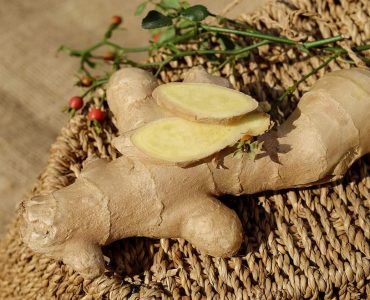
health benefits of ginger

Ginger: Exploring Its Medicinal Potential and Home Applications

(zingiber officinalis) Ginger is one of the greatest of all natural medicines, used by Chinese doctors since 1,000BC and popular with European herbalists since the Middle Ages. It is a perennial plant that grows throughout China, Asia, the tropics and South America. The root is used both as a spice in food and in medicine. …
Ginkgo Biloba

Ginkgo Biloba: Exploring Its Medicinal Potential and Home Applications

(ginkgo biloba) Ginkgo biloba, also known as the maidenhair tree, is the world’s oldest living species of tree. Individual trees live as long as 1,000 years. Ginkgo grows most predominantly in the southern and eastern United States, southern France, China, and Korea. The leaves of the tree are used in modern herbal medicine. What it …

Goldenseal (hydrastis canadensis)

Goldenseal: Exploring Its Medicinal Potential and Home Applications

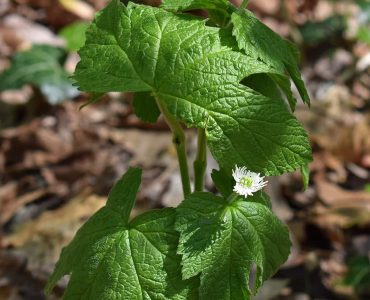
(hydrastis canadensis) Goldenseal is native to eastern North America and is now cultivated due to over-harvesting in the wild. The dried root and rhizome are used in herbal medicine. Goldenseal was used by Native Americans as a treatment for irritations and inflammation of the mucous membranes of the respiratory, digestive, and urinary tracts. It was …

gotu kola herb

Unlocking the Healing Potential of Gotu Kola: Medical Benefits and Home Recipes

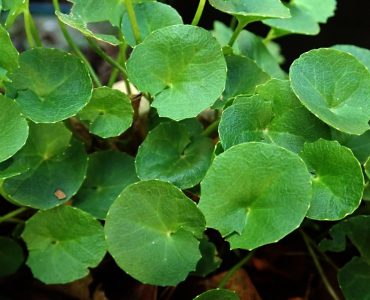
(centella asiatica) This plant grows in a widespread distribution in tropical, swampy areas, including parts of India, Pakistan, Sri Lanka, Madagascar, and South Africa. This slender, creeping plant flourishes in and around water. The roots and leaves are used medicinally. Gotu kola has been important in the medicinal systems of central Asia for centuries. In …

green tea benefits and effects

Green Tea: Exploring Its Health Benefits and Culinary Versatility

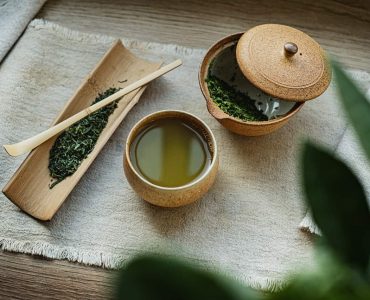
(camellia sinensis) Green teas, black teas and oolong are derived from the same plant, native to China. Green tea is produced by lightly steaming the fresh cut leaf, while to produce black tea the leaves are allowed to oxidise and ferment. Oolong tea is partially oxidised. Oxidation destroys the active compounds in the leaf, therefore …

Guarana fruits

Revitalize Your Energy with Guarana: Benefits and Usage Guide

(Paulinia cupana) Guaraná is an evergreen vine indigenous to the Amazon basin. The vast majority of guaraná is grown in a small area in northern Brazil. Guaraná gum or paste is derived from the seeds and is used in herbal preparations. The indigenous people of the Amazon rain forest have used crushed guaraná seed as …

Healing Power of Guggul

Harnessing the Healing Power of Guggul: Benefits and Uses Unveiled

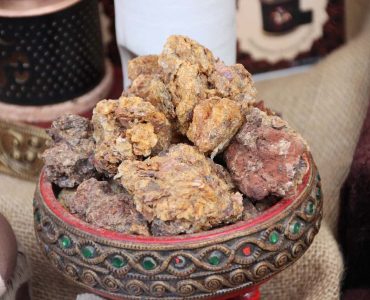
(Commiphora mukul) The mukul myrrh (Commiphora mukul) tree is a small, thorny plant distributed throughout India. Guggul and gum guggulu are the names given to a yellowish resin produced by the stem of the plant. This resin has been used historically and is also the source of modern extracts of guggul. The classical treatise on Ayurvedic medicine, …

passionflower-effects and risks explained

Unlocking the Healing Potential: The Power of Passionflower Explained

(passiflora incarnata) Passion flower is a climbing vine renowned for its beautiful white flowers with purple, blue, or pink calyx crown blooms. The plant is native to North, Central, and South America. While primarily tropical, some of its 400 species can grow in colder climates. The mystery of such a beautiful blossom emerging from an …

Brewer’s Yeast

Unraveling the Nutritional Powerhouse: Brewer’s Yeast

Brewer’s yeast, scientifically known as Saccharomyces cerevisiae, is a remarkable fungus revered for its rich nutritional profile and health benefits. Derived from the brewing process of beer, this humble yeast has earned a place in the spotlight for its impressive array of vitamins, minerals, and protein content. What it does It is a rich source …

vaccine

Flu Vaccine increases the risk of getting swine flu

Data collected from Canada and Hong Kong during 2009-2010 showed that people who received the seasonal flu vaccine in 2008 had twice the risk of getting the H1N1 “swine flu,” compared to those who hadn’t received a flu shot. While the initial findings were largely discounted, new research confirms the link between the flu vaccination and …

[instagram-feed]