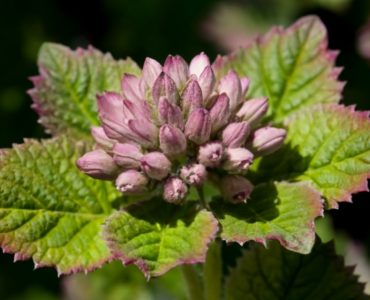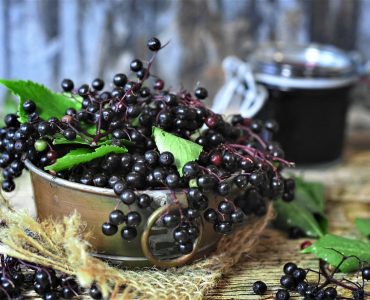
Belladonna, also known as deadly nightshade, is a flowering plant native to Europe, North Africa, and parts of Asia. It contains potent tropane alkaloids, which have both harmful and medicinal properties.
Today, the plant’s active compounds, such as atropine and scopolamine, are still used in modern medicine, though they are highly regulated due to their potency and potential toxicity. These compounds are typically found in prescription medications designed for specific medical purposes, including treating motion sickness, dilating pupils for eye exams, and managing certain gastrointestinal conditions. They can also be used to treat organophosphate poisoning or as part of pre-surgical protocols to reduce saliva production.
The appropriate age for using these medications depends on the form and dosage, but they are generally not recommended for young children due to the risk of serious side effects.
For example, atropine eye drops may be used in children under medical supervision to dilate the pupils, but other forms of the drug, especially when taken orally or in higher concentrations, are considered too dangerous for children under certain ages.
! Always follow a healthcare provider’s guidance when using medications containing these compounds.
To know if a product containing the plant’s active ingredients is still effective, check the expiration date provided by the manufacturer. Over time, the potency of medications can decrease, reducing their effectiveness. If a product looks discolored, has changed in consistency, or smells unusual, it may be a sign that the drug is no longer active or safe to use. Always consult a healthcare provider before using any medication past its expiration date to ensure safety.
What Does Belladonna Do to People?
Belladonna’s effects vary depending on the dose and method of consumption. In high amounts, it’s highly toxic and can be fatal. Here’s a breakdown:
- Small Doses: Can cause dilated pupils, blurred vision, dry mouth, constipation, and increased heart rate.
- Large Doses: Severe symptoms include hallucinations, seizures, paralysis, coma, and even death.
What Was Belladonna Medicine Used For?
Historically, it has been used for various purposes, including:
- Pain Relief: Topical application could provide temporary pain relief.
- Anesthesia: was sometimes used as a pre-operative medication to reduce salivation and secretions during surgery (a risky practice now superseded by safer methods).
- Eye Dilation: its extracts were used to dilate pupils during eye exams (safer alternatives are now preferred).
- Asthma Treatment: While it was once used for asthma, its side effects make it unsuitable for this purpose.
Is Belladonna Still Used in Medicine Today?
The highly toxic nature of belladonna limits its use in modern medicine. However, in very small, controlled doses and specific formulations, it’s extracts may be used as:
- Motion Sickness Medication: Some commercial motion sickness medications may contain it in combination with other ingredients.
- Antispasmodic Medication: may be a component in some medications for treating muscle spasms.
Why is Belladonna Called Deadly Nightshade?
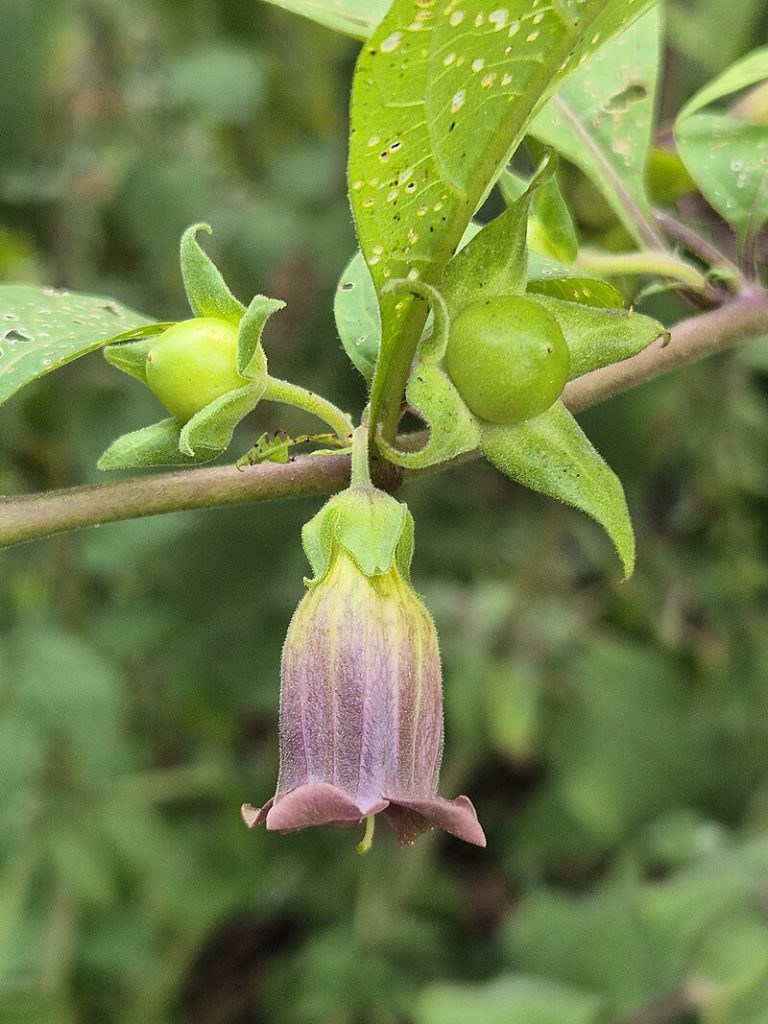
The name “deadly nightshade” stems from the plant’s toxicity. All parts of the belladonna plant are poisonous, and accidental ingestion, particularly by children who might find its berries attractive, can be very dangerous. The name “nightshade” refers to the fact that the plant’s berries ripen at night.
Is Belladonna Still Used Today?
It’s use in medicine is very limited due to its safety concerns. Safer and more effective alternatives are generally preferred. However, some niche applications, as mentioned earlier, may still exist under strict medical supervision.
Is Belladonna Illegal?
The plant itself is not typically illegal. However, regulations regarding its cultivation, sale, and use may vary depending on your location. It’s crucial to consult with relevant authorities if you have any questions about the legality of belladonna in your area.
Important Note:
Belladonna is a toxic plant. Never ingest any part of the belladonna plant and seek immediate medical attention if accidental ingestion occurs.
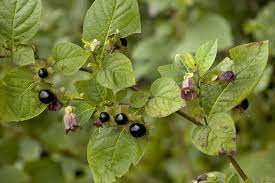
Side Effects of Atropa Belladonna
Atropa belladonna, commonly known as belladonna or deadly nightshade, possesses potent medicinal properties alongside notable risks. Its side effects can include:
- dilated pupils,
- dry mouth,
- blurred vision,
- increased heart rate,
- urinary retention,
- hallucinations,
- and delirium.
In high doses, this plant can induce severe toxicity, leading to convulsions, coma, and even death.
What does belladonna do to a person?
Belladonna, also known as Atropa belladonna, contains tropane alkaloids, particularly atropine, scopolamine, and hyoscyamine, which have anticholinergic properties.
When ingested, this plant can cause a variety of effects due to its ability to block acetylcholine receptors in the body. This can lead to symptoms such as dilated pupils, increased heart rate, dry mouth, blurred vision, urinary retention, and difficulty swallowing.
In larger doses, belladonna can be toxic and cause hallucinations, seizures, and even death. Its medicinal use is very limited because of its potency and potential toxicity.
Why is atropine called belladonna?
Atropine is called “belladonna” because it is one of the main active compounds derived from the plant. The name “belladonna” comes from Italian, meaning “beautiful woman.” Historically, women used the extract to dilate their pupils, which was thought to enhance their appearance, as larger pupils were considered more attractive. Atropine, specifically, is the compound responsible for pupil dilation, and its name is thus closely associated with the plant belladonna.
What is the physical description of belladonna?

It is a perennial plant that typically grows to a height of 3 to 4 feet (0.9 to 1.2 meters). It has large, ovate leaves that are dark green and somewhat wavy along the edges. The plant produces bell-shaped, purple or greenish flowers that bloom in late spring or early summer. The berries of belladonna are shiny, round, and typically black when ripe. These berries are particularly toxic, as they contain high levels of atropine and other alkaloids.
Why is belladonna in eye drops?
Its alkaloid atropine, is used in eye drops because it has the ability to dilate the pupils (mydriasis) by blocking the action of acetylcholine on the muscles that constrict the pupils. This effect makes it useful in eye examinations, particularly when doctors need to assess the health of the retina and optic nerve. It is also used in the treatment of certain eye conditions, such as uveitis, to relieve pain by preventing the eye from spasming. The dose used in eye drops is carefully controlled to avoid toxicity.
Is belladonna cholinergic?
No, belladonna is not cholinergic. In fact, it is anticholinergic. The alkaloids in belladonna, such as atropine, work by blocking the action of acetylcholine, a neurotransmitter in the body. This inhibition of acetylcholine at muscarinic receptors leads to the various effects associated with belladonna, such as pupil dilation, increased heart rate, and dry mouth. Therefore, it is considered to have anticholinergic properties rather than cholinergic.
Belladonna fda
The FDA has specific regulations and guidance concerning belladonna due to its potent and potentially toxic properties. Belladonna and its active compounds (like atropine and scopolamine) are classified as dangerous substances when taken inappropriately, and they are not approved for over-the-counter use in most forms due to their risk of toxicity.
However, the FDA has allowed the use of belladonna in certain regulated and diluted forms. For example:
- Homeopathic Products: it can be found in some homeopathic remedies, though these products are subject to different regulatory standards than conventional drugs. The FDA has generally allowed homeopathic formulations to remain on the market, provided they follow certain guidelines. The strength of belladonna in these products is typically very low and is intended for specific conditions, such as teething pain or minor symptoms.
- Prescription Medications: the plant’s alkaloids, like atropine and scopolamine, are still used in some FDA-approved prescription medications. These drugs can be used for medical purposes like dilating pupils in eye exams, treating motion sickness, or addressing certain gastrointestinal issues. However, the concentration of belladonna compounds in these products is carefully controlled to avoid toxicity.
- Warnings: The FDA also emphasizes the need for caution when using any form of belladonna, particularly in children, the elderly, or those with preexisting health conditions. Ingesting large amounts of belladonna can cause serious side effects, including hallucinations, seizures, and death.
In summary, while belladonna has medicinal uses in specific, controlled forms, the FDA warns against its misuse and heavily regulates its availability, especially in non-prescription forms due to the risk of toxicity.
Benefits of Atropa Belladonna
Despite its toxic nature, Atropa belladonna has been historically revered for its therapeutic benefits. Its alkaloid compounds, including atropine and scopolamine, have been utilized in medicine for their antispasmodic, analgesic, and sedative properties. It preparations have been employed to alleviate symptoms of conditions like irritable bowel syndrome, motion sickness, asthma, and Parkinson’s disease.
Origin of Deadly Nightshade
Deadly nightshade, or Atropa belladonna, derives its name from the Greek Fate Atropos, who was believed to cut the thread of life. Indigenous to Europe, North Africa, and Western Asia, this perennial herbaceous plant thrives in shady woodlands, damp meadows, and hedgerows. Its distinctive bell-shaped flowers give way to glossy black berries, enticing yet perilous to the unsuspecting.
Caring for Deadly Nightshade
Cultivating Atropa belladonna demands caution and diligence due to its toxic nature. If grown for ornamental purposes, it should be handled with gloves, and contact with mucous membranes should be avoided. Ideally, it should be planted in a secure area inaccessible to children and pets. Adequate soil drainage, partial shade, and regular watering are essential for its growth.
Is Belladonna Poisonous?
Yes, it is indeed poisonous. All parts of the Atropa belladonna plant contain toxic alkaloids, primarily atropine and scopolamine, which can cause severe poisoning if ingested. The berries, in particular, pose a significant risk due to their attractive appearance and sweet taste, often tempting unwitting foragers. As such, extreme caution should be exercised around Atropa belladonna, and its medicinal use should only be undertaken under the supervision of a qualified healthcare professional.
Belladonna pupils
Drops prepared from the plant were used to dilate women’s pupils, an effect considered to be attractive and seductive. The drops act as a muscarinic antagonist, blocking receptors in the muscles of the eye that constrict pupil size.
In a Nutshell
In conclusion, Atropa belladonna, or belladonna, epitomizes both the allure and peril of the natural world. While its medicinal potential has been harnessed for centuries, its toxicity underscores the importance of respectful caution and informed care. Appreciating the mysteries of deadly nightshade requires an understanding of its benefits, origins, and risks, ensuring its presence remains as enigmatic as it is respected in the botanical realm.