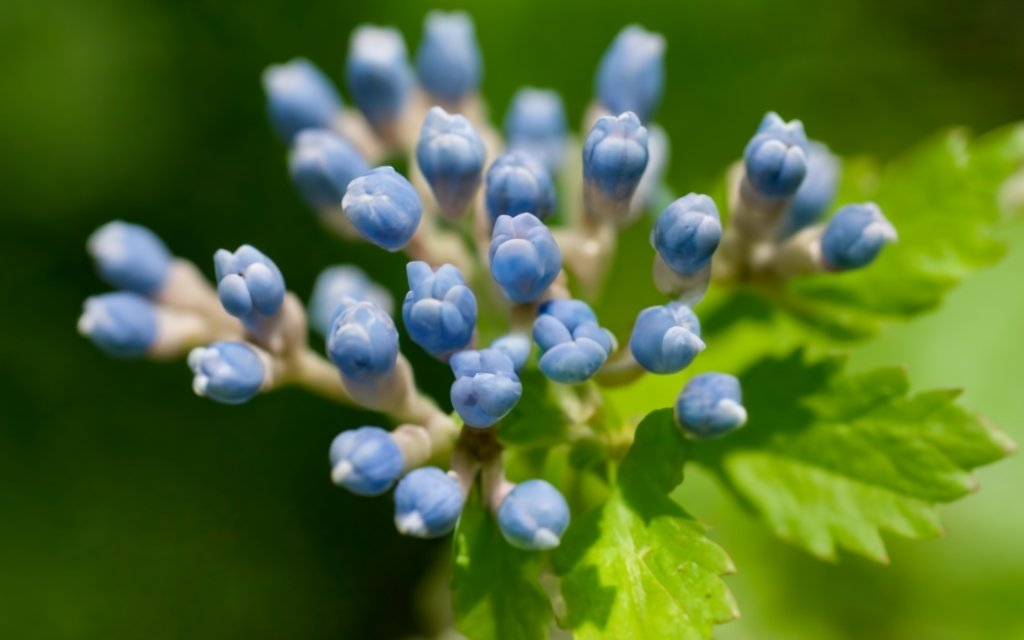
(Caulophyllum thalictroides)
Forget synthetic pills and harsh chemicals – Blue Cohosh whispers of a different path to well-being. This ancient herb, cherished by Native Americans, offered its strength in various ways:
- Awakening stagnant menstrual cycles: A gentle nudge for those with delayed periods, Blue Cohosh aimed to restore natural rhythm.
- Bringing soothing calm to tense muscles: Cramps, hiccups, and even anxieties – Blue Cohosh sought to quiet internal storms and offer relaxation.
- Combating internal imbalances: Inflammation, colic, and sore throats found potential comfort in the embrace of this versatile herb.
- Embracing women’s unique needs: From menstrual regulation to support during childbirth, Blue Cohosh was a trusted companion for generations.
Blue cohosh, known also as squaw root, grows throughout North America. The roots of this flower are used medicinally. Blue cohosh is not related to black cohosh (Cimicifuga racemosa). However, both herbs are primarily used to treat women’s health problems.
Native Americans are believed to have used blue cohosh flowers to induce labour and menstruation. Blue cohosh is a traditional remedy for lack of menstruation. It is considered an emmenagogue (agent that stimulates menstrual flow) and a uterine tonic. It has also been used traditionally to treat painful periods (dysmenorrhoea).
What it does
The herb contain several alkaloids which may have various actions, however a compound called caulosaponin is thought to stimulate contractions of the uterus. It is said to be anti-spasmodic, anti-inflammatory, anti-rheumatic, a uterine tonic and to stimulate menstruation.
Black Cohosh isn’t just a temporary fix, it’s a natural ally for the entire menopausal journey. Traditionally used by Native Americans, research suggests it can alleviate hot flashes, night sweats, mood swings, and anxiety.
Its potential benefits extend beyond, offering improved sleep, support for bone health and cognitive function. But remember, Black Cohosh is a powerful herb, so consult your doctor before use and explore options like teas, tinctures, or supplements for safe and effective ways to harness its power.
Potential Uses
| Amenorrhoea (absence of periods) | Dysmenorrhoea (painful periods) | Menopausal rheumatism |
| Vaginal inflammation |
Other information
This herb is most commonly found with other herbs in formulas aimed at regulating female hormones. It can help to establish a regular cycle in adolescence and is useful when a woman stops taking the contraceptive pill to re-establish menstruation.
Cautions
Blue Cohosh should not be used in pregnancy.
High doses may lead to headaches, nausea and high blood pressure.
Generally, there are no side effects or contra-indications from using Blue Cohosh.
At the time of writing there were no well known negative drug interactions with Blue Cohosh.