Bunions, those bony bumps on the base of your big toe, can be unsightly and painful, impacting your gait and shoe choices. But how do these bony protrusions form, and what can you do about them? This guide delves into the world of bunions, offering insights into their causes, treatment options, and natural management strategies.
Understanding Bunions
Bunions, characterized by a bony bump at the base of the big toe, are a common foot condition that can cause pain and discomfort. Understanding the causes, symptoms, treatment options, prevention strategies, and frequently asked questions about bunions is essential for effective management and relief.
Bunions, medically known as hallux valgus, occur when the bones in the front part of the foot move out of place, forcing the big toe to lean toward the smaller toes. This misalignment results in the formation of a bony bump on the joint at the base of the big toe.
Symptoms of Bunions
Symptoms of bunions may include a visible bony bump at the base of the big toe, redness, swelling, and inflammation around the affected joint, and pain or discomfort, especially when wearing shoes or walking.
Diagnosis of Bunions
Diagnosing bunions typically involves a physical examination of the foot by a healthcare professional. X-rays may be ordered to assess the severity of the bunion and evaluate the extent of bone misalignment.
What causes bunions?
Bunions, medically known as hallux valgus, occur when the bones in the front of your foot shift out of alignment. This misalignment pushes the big toe towards the smaller toes, causing the joint at its base to protrude and form a bony bump. Several factors can contribute to this:
| Causes of Bunions | Description |
|---|---|
| Foot Structure | |
| Hereditary Factors | Genetic predisposition and inherited foot structure may contribute to the development of bunions. |
| Foot Pronation | Abnormal foot pronation, such as flat feet or low arches, can increase the risk of bunion formation. |
| Footwear Choices | |
| Tight, Narrow Shoes | Wearing shoes that are too tight or narrow can exert pressure on the toes and contribute to bunion formation. |
| High Heels | High-heeled shoes force the toes into the front of the shoe, increasing the risk of bunions. |
| Trauma or Injury | |
| Foot Trauma | Previous foot injuries or trauma to the foot may disrupt normal foot structure and lead to bunions. |
| Repetitive Stress | Activities that involve repetitive stress on the foot, such as ballet dancing or sports, may increase the risk of bunions. |
| Medical Conditions | |
| Rheumatoid Arthritis | Inflammatory conditions like rheumatoid arthritis can affect the joints in the foot and contribute to bunion formation. |
| Connective Tissue Disorders | Conditions that affect connective tissues, such as Ehlers-Danlos syndrome, may predispose individuals to bunions. |
Treatment Options for Bunions: How can you get rid of bunions on your feet?
Treatment options for bunions depend on their severity and your pain level. Here’s an overview:
| Treatment Options for Bunions | Description |
|---|---|
| Non-Surgical Treatment | |
| Comfortable Footwear | Wearing shoes with a wide toe box and low heels can help reduce pressure on the bunion. |
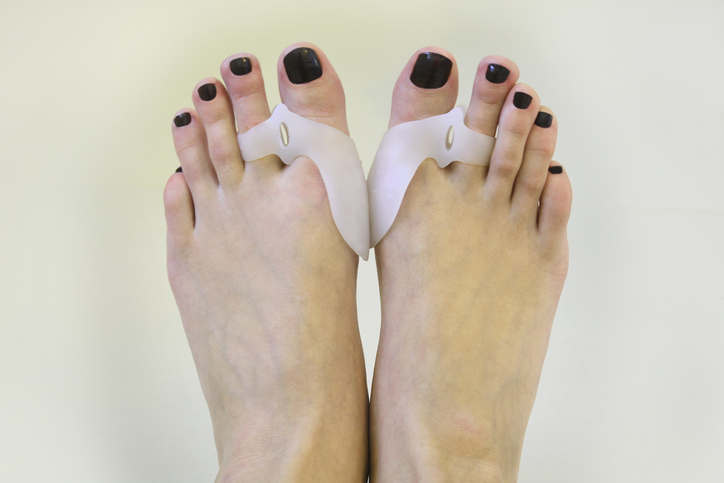
| Bunion Pads and Splints | Bunion pads and splints can provide cushioning and support to alleviate pain and discomfort. |
| Pain Relief Medications | Over-the-counter pain relievers and anti-inflammatory drugs may help reduce bunion-related pain. |
| Orthotic Inserts | Custom or over-the-counter orthotic inserts can help redistribute pressure on the foot and provide support. |
| Foot Exercises and Stretches | Strengthening and stretching exercises for the foot and toes can improve flexibility and reduce discomfort. |
| Surgical Treatment | |
| Bunion Removal (Bunionectomy) | Surgical removal of the bunion may be necessary for severe or persistent cases that do not respond to non-surgical treatments. |
| Osteotomy | Osteotomy involves cutting and realigning the bones in the foot to correct the bunion deformity. |
| Arthrodesis | Arthrodesis, or joint fusion, may be performed to stabilize the joint and alleviate pain and discomfort. |
Treatment for bunions aims to alleviate pain and discomfort, slow the progression of the bunion, and improve foot function. Non-surgical treatment options include wearing comfortable shoes with a wide toe box, using bunion pads or splints, and taking pain relief medications or anti-inflammatory drugs. Surgical options may be considered for severe or persistent bunions and may involve bunion removal or realignment surgery.
Prevention of Bunions
Preventing bunions involves wearing proper footwear with a wide toe box and low heels, avoiding tight or narrow shoes that squeeze the toes, maintaining a healthy weight to reduce pressure on the feet, and performing foot exercises and stretches to improve flexibility and strength.
Living with Bunions: Coping Strategies and Support
Managing bunions involves adopting lifestyle changes and self-care techniques to alleviate symptoms and improve foot function. Physical therapy and exercises can help strengthen the muscles around the affected joint and reduce pain. Support groups and online resources can provide valuable information and support for individuals living with bunions.
Complications of Bunions
Complications of bunions may include hammer toes, bursitis, and difficulty walking or performing daily activities. Early intervention and appropriate treatment can help prevent complications and improve quality of life for individuals with bunions.
How can I shrink my bunions naturally?
While naturally shrinking a bunion completely might not be possible, some natural approaches can help manage pain and prevent further progression:
- Ice packs: Apply ice packs to the bunion for 15-20 minutes a few times a day to reduce inflammation.
- Foot massage: Gentle massage can improve circulation and flexibility around the joint.
- Turmeric: This spice has anti-inflammatory properties that may help manage pain. Consult your doctor before consuming if on medication.
- Epsom salt soaks: Soaking your feet in warm Epsom salt water can relax muscles and ease discomfort.
Do bunions get worse with age?
Bunions can worsen with age due to factors like decreased joint flexibility and wear and tear. However, early intervention and treatment can help slow down or prevent their progression.
Why do bunions hurt so bad?
The pain associated with bunions can stem from several factors:
- Inflammation: The misalignment and pressure on the joint can cause inflammation, leading to pain and swelling.
- Nerve irritation: Compressed nerves around the joint can contribute to pain and discomfort.
- Bursitis: Inflammation of the fluid-filled sac near the joint can cause additional pain and tenderness.