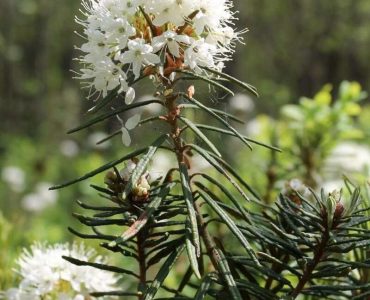
(Petasites hydridus)
Butterbur is a woodland plant that is a member of the daisy family. It grows freely in damp conditions throughout Europe and the British Isles. Petasites means “large brimmed hat”, which is the best way to describe the large, round leaves. The root and leaves are used in herbal medicine.
Traditionally the entire plant was used as a demulcent to soothe a dry, spasmodic cough. It was primarily made into a tea, and used only for short periods of time. Using the herb as a tea may have helped reduce the liver’s exposure to butterbur’s toxic compounds, as they are not normally water soluble.
What it does
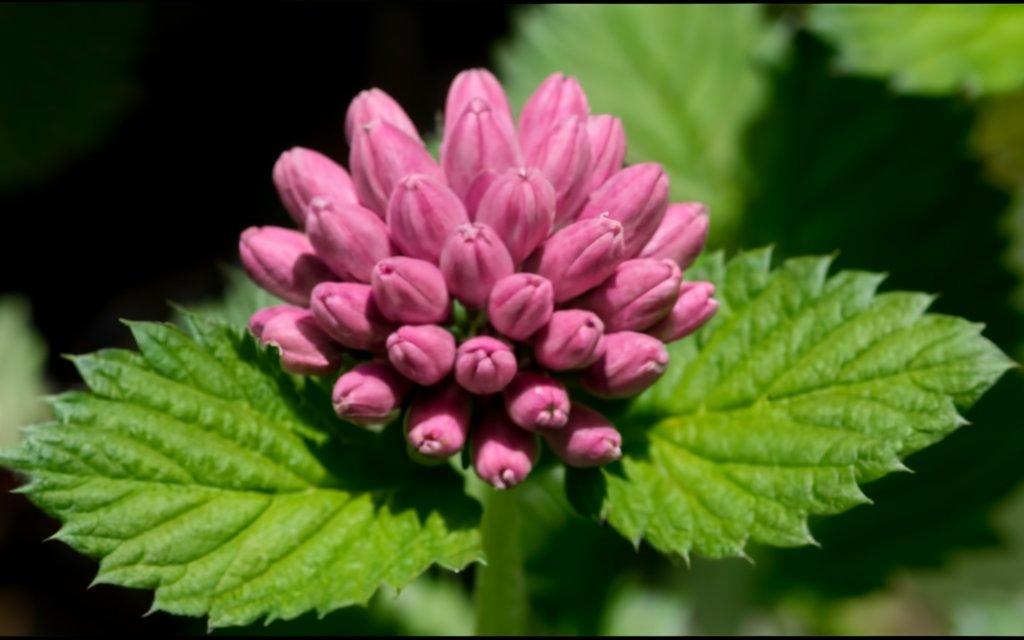
Although Petasites contains many sesquiterpene lactones, one, known as petasin, is thought to give this herb its potent anti-spasmodic and pain relieving properties. Petasites/Butterbur also contains pyrrolizidine alkaloids, volatile oil, pectin, mucilage and inulin.
In the sun-dappled forests of Europe and Asia, whispers of natural relief dance amongst the leaves of the butterbur plant. For centuries, this unassuming herb has held a place of honor in traditional medicine, offering its gentle power to those grappling with headaches, allergies, and more.
Its secret lies in its ability to calm the storm of inflammation. Like a soothing balm, butterbur whispers to muscles, easing tension and relieving spasms. It reaches out to irritated airways, reducing swelling and allowing lungs to breathe freely. And for those whose heads pound with the relentless rhythm of migraines, butterbur offers a beacon of hope. Research suggests its calming properties may soothe the painful throbbing and pave the way for peaceful days.
However, it’s important to note that while promising, the science surrounding butterbur’s full potential is still unfolding. It’s crucial to consult your healthcare professional before embarking on a journey with this powerful herb.
So, the next time you encounter the gentle whisper of the butterbur, remember – it’s more than just a leafy green. It’s a potential ally on the path to relief, a testament to the wisdom of nature, and a gentle nudge towards a life free from chronic woes and filled with renewed clarity and calm. Approach it with open eyes and a curious mind, and explore the possibilities that this potent leaf has to offer.
Potential Uses
| Hayfever | Migraine | Asthma |
| Back and neck pain/spasms | Menstrual cramping | Muscle spasms |
| Stomach pain | Gastritis | Pain relief |
Other information
Petasites/Butterbur has been used traditionally for asthma, bronchitis, whooping cough, fevers, colds, skins problems, urinary inflammation and gall bladder complaints.
Cautions
High doses should be avoided due to the pyrrolizidine alkaloids content of this herb. Do not take whilst pregnant or breastfeeding.
Petasites/Butterbur should not be used by children under 12 except under supervision of a qualified herbalist.
Petasites/Butterbur may interact with tranquilisers, barbiturates and anti-depressants. It may delay or decrease the action of anti-bacterial drugs such as nalixidic acid and sulphonamides. It is best not to take it if you are using these medicines.
Petasites/Butterbur may increase the action of pain relieving drugs so reducing the need for these drugs. Always discuss this with your doctor.
At the time of writing there were no other well-known side effects or drug interactions with butterbur.