Cholesterol is a vital substance found in the blood, necessary for building healthy cells and performing various bodily functions. However, elevated levels of cholesterol can lead to health complications, including heart disease, due to the formation of fatty deposits in blood vessels.
What is Cholesterol?
Cholesterol is a waxy, fat-like substance produced by the liver and obtained from certain foods. It is transported through the bloodstream in lipoproteins, which are particles that carry cholesterol and triglycerides to cells throughout the body.
Think of cholesterol as a building block, essential for various bodily functions like cell production, hormone creation, and vitamin absorption. However, cholesterol isn’t created equal:
- HDL (good cholesterol): This “hero” removes excess cholesterol from your blood, preventing it from building up in arteries.
- LDL (bad cholesterol): This “villain” contributes to the formation of plaque in your arteries, narrowing them and increasing your risk of heart disease and stroke.
Signs and Symptoms of High Cholesterol
High cholesterol often does not cause noticeable symptoms, which is why it is commonly referred to as a “silent” condition. However, over time, high cholesterol levels can contribute to the development of fatty deposits in the arteries, leading to atherosclerosis and an increased risk of heart disease and stroke.
Why High Cholesterol is Bad
High levels of cholesterol can lead to the accumulation of plaque in the arteries, restricting blood flow and increasing the risk of cardiovascular events such as heart attacks and strokes. It is essential to monitor cholesterol levels regularly and take steps to maintain them within a healthy range.
Unfortunately, high cholesterol often doesn’t present any noticeable symptoms. That’s why regular blood tests are crucial for early detection and intervention. However, some potential warning signs can include:
- Family history of heart disease: If heart disease runs in your family, you’re at higher risk.
- Unhealthy lifestyle habits: Smoking, excessive saturated and trans fats, and physical inactivity can contribute to high cholesterol.
- Other medical conditions: Diabetes, obesity, and high blood pressure can also worsen cholesterol levels.
| Age Group | Total Cholesterol Level (mg/dL) | LDL Cholesterol Level (mg/dL) | HDL Cholesterol Level (mg/dL) |
|---|---|---|---|
| Children (2-19 years) | Less than 170 | Less than 110 | 40 or higher |
| Adults (20 years and older) | Less than 200 | Less than 130 | 40 or higher for men, 50 or higher for women |
The dangers of high cholesterol:
High LDL cholesterol allows plaque to build up in your arteries, a condition called atherosclerosis. This buildup narrows the arteries, restricting blood flow to your heart and other organs. This can lead to:
- Heart attack: When a blocked artery completely cuts off blood flow to the heart, a heart attack occurs.
- Stroke: If a blocked artery cuts off blood flow to part of the brain, a stroke occurs.
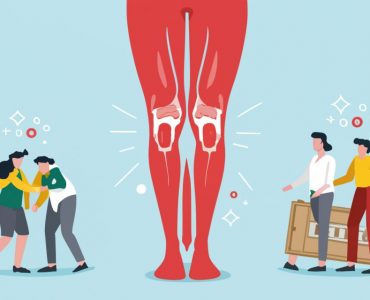
- Peripheral artery disease (PAD): This condition affects blood flow to the legs and feet, causing pain and increasing amputation risk.
How to Reduce Bad Cholesterol
Reducing bad cholesterol (LDL cholesterol) levels is crucial for maintaining heart health. Effective strategies to lower cholesterol include:
- Adopting a heart-healthy diet rich in fruits, vegetables, whole grains, and lean proteins.
- Limiting intake of saturated and trans fats found in processed foods, red meat, and full-fat dairy products.
- Engaging in regular physical activity to promote weight loss and improve cardiovascular fitness.
- Quitting smoking and avoiding secondhand smoke, as smoking can raise LDL cholesterol levels and increase the risk of heart disease.
- Incorporating cholesterol-lowering foods and natural remedies into your diet, such as oats, nuts, seeds, and plant sterols.
Home Remedies Recipes to Lower Cholesterol
- Oatmeal and Blueberry Smoothie: Blend oats, blueberries, low-fat yogurt, and a teaspoon of honey for a cholesterol-lowering breakfast option.
- Garlic and Lemon Infused Water: Combine crushed garlic cloves and lemon juice in water and drink daily to help reduce LDL cholesterol levels.
- Avocado and Spinach Salad: Toss fresh spinach leaves with sliced avocado, cherry tomatoes, and a drizzle of olive oil and balsamic vinegar for a heart-healthy lunch or dinner.
Main Causes of High Cholesterol
The primary causes of high cholesterol include:
- Unhealthy diet high in saturated and trans fats
- Lack of physical activity
- Obesity or overweight
- Smoking
- Genetic factors and family history of high cholesterol
Signs of High Cholesterol
Signs of high cholesterol may include:
- Chest pain or angina
- Yellowish deposits around the eyes or on the skin (xanthomas)
- Pain or swelling in the abdomen due to gallstones
- Numbness or tingling in the extremities
- Fatigue or weakness
Normal Cholesterol Levels by Age
Cholesterol levels can vary by age, gender, and individual health status. In general, desirable total cholesterol levels should be below 200 milligrams per deciliter (mg/dL), with LDL cholesterol levels ideally below 100 mg/dL and HDL cholesterol levels above 40 mg/dL for men and 50 mg/dL for women.
In conclusion, understanding cholesterol, its symptoms, causes, and management strategies is essential for maintaining heart health and reducing the risk of cardiovascular disease. By adopting a healthy lifestyle, incorporating cholesterol-lowering foods and remedies, and monitoring cholesterol levels regularly, individuals can take proactive steps to protect their heart health and overall well-being.