
Chronic fatigue syndrome (CFS), also known as myalgic encephalomyelitis (ME), is a complex and often misunderstood condition characterized by profound, debilitating fatigue that doesn’t improve with rest. It’s a challenging labyrinth to navigate for patients, filled with unanswered questions, frustration, and the constant struggle to regain normalcy. This comprehensive guide aims to shed light on CFS, empowering individuals and their loved ones with knowledge and practical strategies for navigating this often-invisible illness.
Beyond the Exhaustion: Recognizing the Symptoms
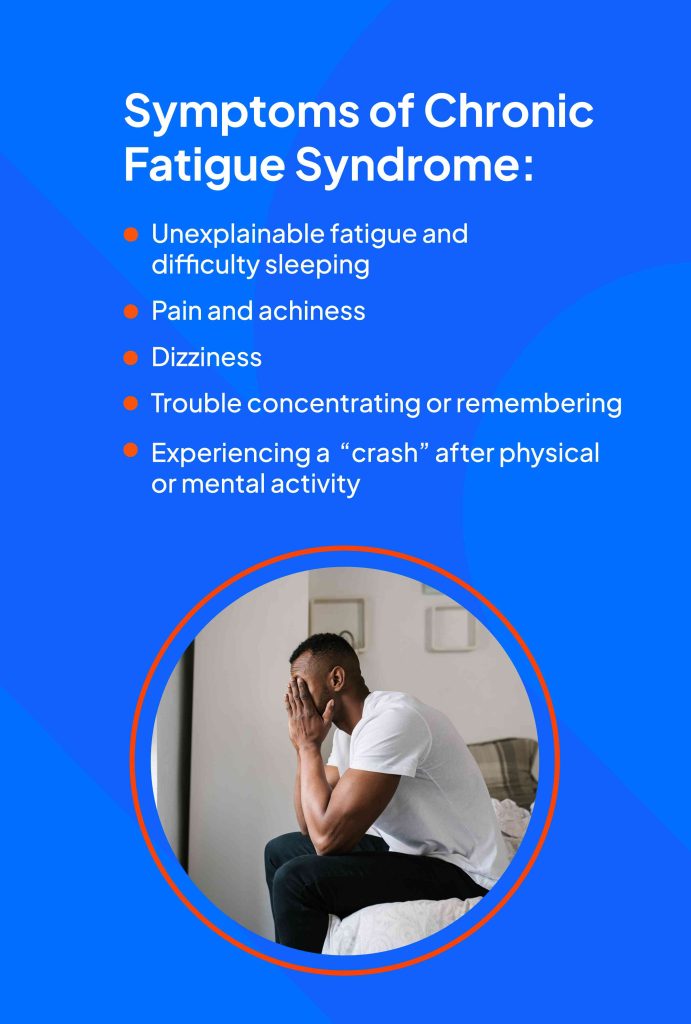
The hallmark symptom of CFS is overwhelming fatigue, persisting for at least six months and not alleviated by rest. This fatigue is different from everyday tiredness; it’s a deep-seated exhaustion that significantly impacts daily activities. Other common symptoms include:
- Post-exertional malaise (PEM): Worsening of symptoms after physical or mental exertion, even minimal activity.
- Cognitive difficulties: Memory problems, trouble concentrating, and brain fog.
- Sleep disturbances: Difficulty falling asleep, staying asleep, or unrefreshing sleep.
- Pain: Muscle or joint pain, headaches, or abdominal discomfort.
- Mood changes: Difficulty managing emotions, irritability, or depression.
What Does Chronic Fatigue Feel Like?
Chronic fatigue, especially in its most severe form, Chronic Fatigue Syndrome (CFS), often manifests as:
- Persistent exhaustion that does not improve with rest.
- Difficulty concentrating or “brain fog.”
- Muscle or joint pain without swelling or inflammation.
- Sleep disturbances, including non-restorative sleep.
- A feeling of being overwhelmed by everyday tasks.
This condition can make even small tasks, like grocery shopping or climbing stairs, feel monumental. For example, a person with chronic fatigue may feel as though they’ve run a marathon after completing a simple activity.
What is the Number One Cause of Chronic Fatigue?
The exact cause of chronic fatigue syndrome remains unclear. However, research suggests that a combination of factors may contribute, including:
- Viral Infections: Viruses like Epstein-Barr virus (EBV) or human herpesvirus 6 (HHV-6) have been linked to CFS.
- Immune Dysfunction: An overactive or impaired immune system may play a role.
- Hormonal Imbalances: Dysregulation of the hypothalamic-pituitary-adrenal (HPA) axis can contribute to chronic fatigue.
- Stress and Trauma: Chronic stress or past trauma can trigger or worsen symptoms.
Potential Causes and Triggers of Chronic Fatigue Syndrome
The exact cause of chronic fatigue syndrome remains unknown, but several factors may contribute to its development, including:
- Viral infections such as Epstein-Barr virus (EBV) or human herpesvirus 6 (HHV-6)
- Immune system dysfunction
- Hormonal imbalances
- Genetic predisposition
- Physical or emotional trauma
Seeking Guidance: Diagnosis and Differentiating CFS from Other Conditions
CFS diagnosis can be challenging due to the lack of a specific test and the overlapping symptoms with other conditions. A doctor will consider your medical history, perform physical examinations, and potentially run tests to rule out other diagnoses. It’s crucial to be open and detailed in describing your symptoms to ensure accurate diagnosis and appropriate management.
Chronic Fatigue Syndrome: Symptoms, Causes
Living with an Unseen Enemy: The Impact of CFS
The impact of CFS goes far beyond physical limitations. It can affect work, relationships, social life, and overall well-being. Feelings of isolation, frustration, and anxiety are common, highlighting the need for holistic care that addresses not just the physical symptoms but also the emotional and social aspects.
Walking the Tightrope: Treatment Options and Managing Flare-ups
While there’s no cure for CFS, various therapies and lifestyle adjustments can help manage symptoms and improve quality of life. These include:
- Cognitive behavioral therapy (CBT): Helps manage stress, anxiety, and negative thinking patterns that can worsen symptoms.
- Graded exercise therapy (GET): Slowly increases activity levels to improve physical fitness and reduce PEM.
- Medication: Antidepressants, pain relievers, and sleep aids can be used to manage specific symptoms.
- Lifestyle changes: Prioritizing sleep, managing stress, and adopting a healthy diet can significantly impact overall well-being.
Beyond the Medical Model: Complementary and Alternative Approaches
Some individuals find relief through complementary and alternative approaches alongside conventional treatment. These could include:
- Acupuncture: May help reduce pain and improve sleep.
- Massage therapy: Can ease muscle tension and promote relaxation.
- Mindfulness meditation: Helps manage stress and improve emotional well-being.
Remember: While these approaches may offer benefits, it’s crucial to discuss them with your doctor to ensure they don’t interfere with your current treatment plan.
Empowering Yourself and Your Loved Ones: Building a Support System
Living with CFS requires a strong support system. Sharing your experiences openly with loved ones, joining support groups, and connecting with online communities can provide invaluable emotional and practical support. It’s equally important to advocate for yourself, actively participating in your treatment decisions and seeking professional help when needed.
Living Beyond the Shadows: Hope and Resilience in the Face of CFS
CFS can be a challenging and isolating journey, but it doesn’t have to define your life. By understanding the condition, actively seeking treatment, building a support system, and prioritizing self-care, you can manage your symptoms, regain control, and live a fulfilling life. Remember, you’re not alone in this journey. There are resources, support systems, and hope for a brighter future waiting for you.
What is a Woman’s Fatigue Syndrome?
Women are disproportionately affected by fatigue syndromes, including CFS. Hormonal fluctuations—especially during menstruation, pregnancy, and menopause—can exacerbate symptoms. Additionally, societal expectations often lead women to juggle multiple responsibilities, increasing stress and fatigue levels.
Example:
A study published in The Journal of Women’s Health found that women experiencing perimenopause reported higher levels of fatigue due to hormonal shifts, poor sleep quality, and increased stress.
How Did I Cure My Chronic Fatigue?
While there’s no universal cure for chronic fatigue, many individuals report significant improvement by adopting a multifaceted approach:
- Balanced Nutrition: Eating whole, nutrient-dense foods supports energy levels.
- Example: Focus on lean proteins, leafy greens, and healthy fats like avocados.
- Consistent Sleep Schedule: Prioritize quality sleep by maintaining a regular bedtime and avoiding screens before bed.
- Exercise: Gentle activities like yoga or walking can help. Start slow to avoid overexertion.
- Stress Management: Practices like mindfulness and meditation reduce the mental load contributing to fatigue.
- Medical Support: Consult a doctor to rule out underlying conditions like thyroid issues or anemia.
What Foods Should You Avoid with Chronic Fatigue Syndrome?
Certain foods can worsen chronic fatigue symptoms, either by causing inflammation or disrupting energy levels. Avoid:
- Sugary Snacks and Drinks: They cause rapid energy spikes followed by crashes.
- Processed Foods: High in preservatives and low in nutrients.
- Alcohol and Caffeine: While they may provide short-term relief, they can disrupt sleep and increase fatigue over time.
- Gluten and Dairy (if sensitive): Inflammatory foods can exacerbate symptoms in some individuals.
What is the Best Thing to Do for Chronic Fatigue?
The most effective way to manage chronic fatigue is to adopt a holistic approach tailored to your needs. This includes:
- Seeking Medical Advice: A doctor can identify underlying issues like sleep apnea or hypothyroidism.
- Prioritizing Rest: Listen to your body and allow time for recovery.
- Staying Active: Low-impact exercises help improve stamina without overexertion.
- Building a Support Network: Talking to friends, family, or a therapist can provide emotional support.
Real-Life Inspiration:
Celebrities like Jennifer Aniston and Gwyneth Paltrow prioritize wellness by maintaining balanced diets, practicing mindfulness, and ensuring quality sleep—habits that combat chronic fatigue.
To summ up
Chronic fatigue is a complex condition that affects millions, often hindering daily life and productivity. By understanding its causes, managing symptoms through diet and lifestyle changes, and seeking professional guidance, individuals can regain control of their energy and well-being. Small steps, such as avoiding trigger foods and practicing mindfulness, can lead to significant improvements over time.
Additional Resources:
- Centers for Disease Control and Prevention (CDC)
- Myalgic Encephalomyelitis/Chronic Fatigue Syndrome International (ME/CFS International): https://www.ncbi.nlm.nih.gov/pmc/articles/PMC3427890/
- National Institute of Neurological Disorders and Stroke (NINDS):