Urinary tract infections (UTIs) are infections of the kidney, bladder, and urethra. UTIs are generally triggered by bacteria and are more common when there is partial blockage of the urinary tract. In some people, UTIs tend to recur.
Symptoms of a UTI
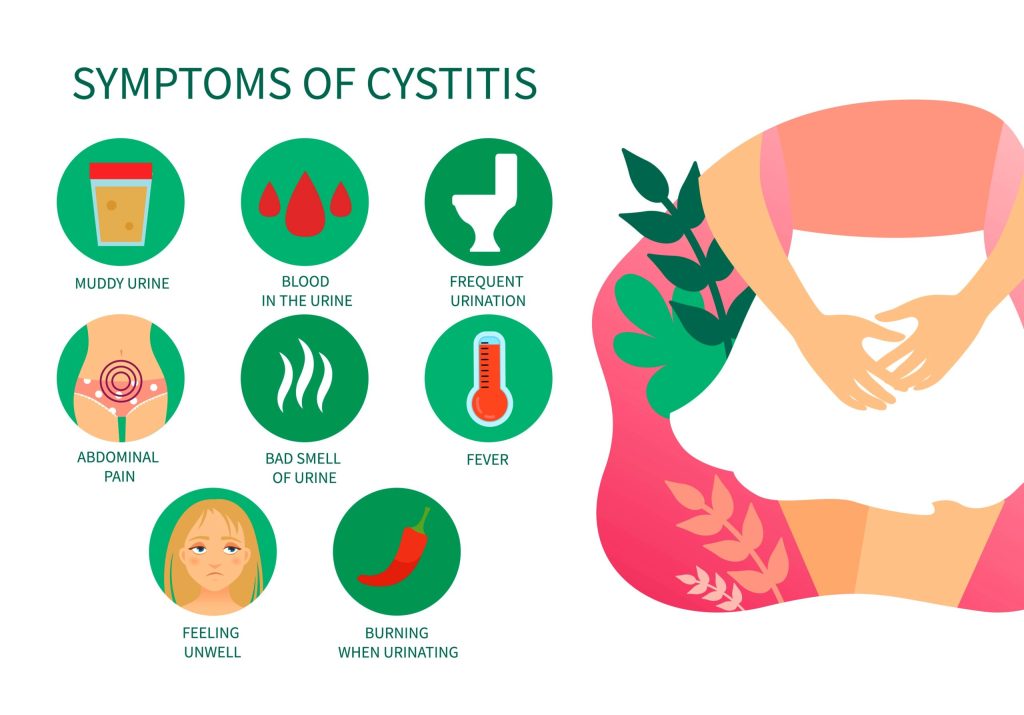
usually begin suddenly and include frequent urination that is irritating or burning, a persistent urge to urinate even after the bladder has been emptied, and cramping or pressure in the lower abdomen. The urine often has a strong or unusual smell and may appear cloudy. In more serious infections, fever, chills, pain in the back below the ribs, nausea, vomiting, and diarrhoea may also be present.
Women in particular tend to get occasional attacks of cystitis. Repeated infections indicate that you need to take steps to prevent and treat the problem.
Nutritional Supplements that could help.(Refer to the individual supplement for cautions in use.)
| Supplement/Herb | What it does | Dosage |
|---|---|---|
| Acidophilus | To replace friendly bacteria in the system and enhance immunce function. | 1 capsule after each meal. |
| Cranberry | Contains compounds which prevent bacteria sticking to the walls of the bladder and urethra. Use unsweetened cranberry juice or preferably tablets. | 400-1000mg 3 times daily |
| Vitamin C | To help the immune system fight infection, also anti-inflammatory. | 1000-3000mg daily |
| Goldenseal | Powerful anti-microbial action to kill off bacteria. | 150-600mg daily |
| Gotu Kola | Speeds the repair of the bladder lining and promotes healing of ulceration of the urinary tract. | 500-4000mg daily |
| Uva Ursi | Acts as a diuretic and anti-bacterial. | 500mg 3 times daily |
Diet and Lifestyle Factors
- Refined sugar impairs the ability of white blood cells to destroy bacteria and should be eliminated from the diet. Consumption of excessive amounts of alcohol has also been shown to suppress immune function. Reduced intake of dietary fat has been shown to stimulate immunity.
- Make sure you drink adequate amounts of water, at least 2 litres daily.
- Drink unsweetened cranberry juice.
- Replace coffee with green tea or herb teas.
- Eat onions and garlic for their anti-microbial activity.
- Eat complex carbohydrates, berry fruits, vegetables and whole grains.
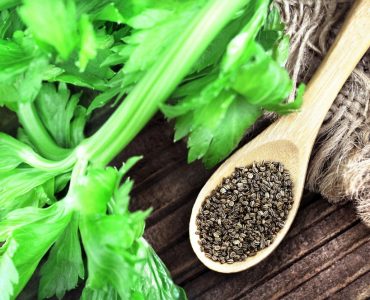
- Eat plenty of diuretic foods such as celery, parsley and use home made lemon barley water to relieve the burning and prevent the growth of bacteria.
- Commercial barley drinks can contain chemicals which could be irritating to the bladder.
Make your own:
- Pour 1 litre of boiling water over 75gm of washed barley.
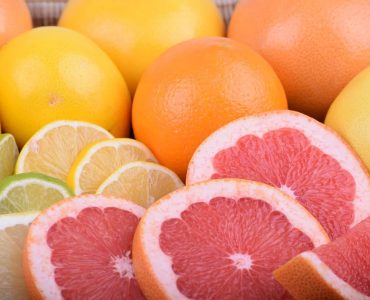
- Add the grated rind and juice of an unwaxed lemon, add quarter teaspoon of xylitol (natural plant sugar), leave to cool and drink a glass 3 times daily.
Local trauma can make the tissues more susceptible to infections. Use a lubricant such as Vgel when having sex and empty your bladder as soon as possible afterwards. Avoid the use of latex condoms which can be irritating.
- Friction can cause cystitis, so avoid cycling or horse riding if you have an attack.
- Wear cotton pants that let the skin breathe and avoid wearing tight jeans.
- Avoid soaps and shower gels that contain sodium lauryl sulphate as this is a harsh chemical that strips the skin of it’s natural oils.
- Avoid use of coloured toilet paper which may contain irritating dyes.
Homoeopathic Remedies which may help.
(Refer to the individual remedy for guidance on the one that is most appropriate for you.)
FAQ`s
What Can Trigger Cystitis?
Cystitis, an inflammation of the bladder, is most commonly caused by bacterial infections, particularly from Escherichia coli (E. coli). However, several factors can increase the risk of developing cystitis:
- Sexual Activity: Frequent intercourse can introduce bacteria into the urinary tract.
- Poor Hygiene Practices: Wiping from back to front can transfer bacteria from the anus to the urethra.
- Use of Irritating Products: Scented soaps, bubble baths, and feminine hygiene products can irritate the urethra.
- Urinary Catheters: Long-term use can introduce bacteria into the bladder.
- Medical Conditions: Diabetes, a weakened immune system, and conditions that block the urinary tract can increase susceptibility.
- Menopause: Decreased estrogen levels can lead to changes in the urinary tract that increase infection risk.
What’s the Difference Between a UTI and Cystitis?
A Urinary Tract Infection (UTI) refers to an infection in any part of the urinary system, including the kidneys, ureters, bladder, and urethra. Cystitis specifically refers to inflammation of the bladder, often caused by a bacterial infection, making it a type of UTI.
Key Differences:
-
- Location: Cystitis affects the bladder; UTIs can affect any part of the urinary tract.
- Symptoms: Both can cause burning during urination and frequent urges to urinate. However, UTIs affecting the kidneys may also cause fever, nausea, and back pain.
What Is the Best Cure for Cystitis?
The treatment for cystitis depends on its cause:
Bacterial Cystitis:
-
-
- Antibiotics are the primary treatment.
- Common antibiotics include nitrofurantoin, amoxicillin, and trimethoprim.
- It’s crucial to complete the full course as prescribed.
-
Non-Infectious Cystitis: Treatment focuses on relieving symptoms and may include:
-
-
- Pain relievers like ibuprofen.
- Bladder training exercises.
- Avoiding irritants such as caffeine and spicy foods.
-
How Do You Flush Out Cystitis?
To help flush out bacteria and alleviate symptoms:
-
-
- Increase Fluid Intake: Drink plenty of water to dilute urine and promote frequent urination.
- Urinate When Needed: Avoid holding urine, as this can allow bacteria to multiply.
- Urinate After Sexual Activity: This can help flush out bacteria introduced during intercourse.
- Avoid Irritants: Steer clear of caffeine, alcohol, and spicy foods that can irritate the bladder.
-
What Is Cystitis, and How Is It Treated?
Cystitis is the inflammation of the bladder, commonly caused by a bacterial infection. Treatment typically involves:
-
-
- Antibiotics: To eliminate the bacterial infection.
- Pain Management: Over-the-counter pain relievers to alleviate discomfort.
- Lifestyle Modifications: Increasing fluid intake and avoiding bladder irritants.
-
How to Prevent Cystitis?
Preventive measures include:
-
-
- Good Hygiene Practices: Wipe from front to back after using the toilet.
- Regular Urination: Don’t hold urine; urinate when the urge arises.
- Hydration: Drink plenty of water to promote frequent urination.
- Post-Sexual Activity: Urinate shortly after intercourse to flush out bacteria.
- Avoid Irritants: Limit the use of scented hygiene products.
- Wear Appropriate Clothing: Opt for breathable cotton underwear and avoid tight-fitting clothes.
-
Why Is Cystitis More Common in Females?
Females are more susceptible to cystitis due to:
-
-
- Anatomical Differences: Women have a shorter urethra, allowing bacteria easier access to the bladder.
- Proximity to Anus: The urethral opening is closer to the anus, increasing the risk of bacterial transfer.
- Hormonal Changes: Post-menopausal women experience decreased estrogen levels, leading to changes in the urinary tract that increase infection risk.
-
Suggested further reading:
- Managing cystitis flare ups
- UTI & cystitis
- Cranberry juice & cystitis