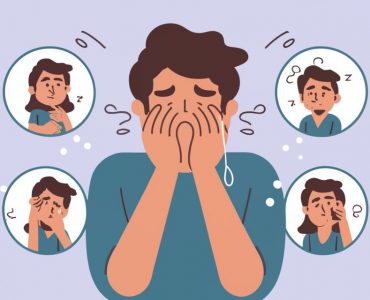
Depression is a common but complex mental health condition characterized by persistent feelings of sadness, loss of interest or pleasure in activities, and a variety of physical and emotional symptoms. It can significantly impact your daily life, affecting your work, relationships, and overall well-being. However, it is important to remember that depression is treatable, and with the right resources and support, you can manage your symptoms and live a fulfilling life.
| Depression Roadmap | Symptoms | Stages | Treatment |
|---|---|---|---|
| Mild Depression | – Persistent feelings of sadness or emptiness | – Early onset symptoms | – Psychotherapy: Cognitive-behavioral therapy (CBT), Interpersonal therapy (IPT) |
| – Loss of interest in previously enjoyed activities | – Mild impact on daily functioning | – Medication: Selective serotonin reuptake inhibitors (SSRIs), Serotonin-norepinephrine reuptake inhibitors (SNRIs) | |
| – Changes in appetite or weight | – Lifestyle changes: Exercise, healthy diet, stress management | ||
| – Sleep disturbances | |||
| Moderate Depression | – Pervasive feelings of hopelessness and helplessness | – Symptoms intensify and become more persistent | – Combination therapy: Psychotherapy combined with medication |
| – Difficulty concentrating and making decisions | – Increased impact on daily functioning | – Support groups: Engage in peer support networks, seek encouragement from loved ones | |
| – Fatigue or low energy | |||
| – Suicidal thoughts or behaviors | |||
| Severe Depression | – Intense feelings of despair and worthlessness | – Severe impact on daily functioning | – Hospitalization: Inpatient psychiatric care, especially for individuals at risk of self-harm or suicide |
| – Persistent physical symptoms (e.g., headaches, digestive problems) | – Suicidal ideation and high-risk behaviors | – Electroconvulsive therapy (ECT): For individuals who do not respond to other treatments | |
| – Social withdrawal and isolation | |||
| – Disrupted sleep patterns (insomnia or hypersomnia) |
Recognizing the Signs and Symptoms:
While symptoms can vary in severity and duration, some common signs and symptoms of depression include:
-
Emotional:
- Feeling sad, hopeless, or empty
- Loss of interest or pleasure in activities once enjoyed
- Irritability or anger
- Anxiety or worry
- Feelings of guilt or worthlessness
- Thoughts of death or suicide
-
Physical:
- Changes in appetite or weight (significant weight loss or gain)
- Difficulty sleeping or sleeping too much
- Loss of energy or fatigue
- Difficulty concentrating or making decisions
- Restlessness or feeling slowed down
- Physical aches and pains
- Loss of interest in sex
Understanding the Causes:
There is no single cause of depression, and it often develops from a combination of factors, including:
- Biological factors: Brain chemistry, genetics, and hormonal imbalances may play a role.
- Psychological factors: Negative thought patterns, stressful life events, and past traumas can contribute to depression.
- Social factors: Social isolation, lack of support, and financial difficulties can increase the risk.
Seeking Help and Diagnosis:
If you suspect you might be struggling with depression, it’s crucial to seek professional help. A mental health professional, such as a therapist or psychiatrist, can assess your symptoms, diagnose your condition, and recommend the most appropriate treatment plan for you.
Recognizing the Signs: Depression manifests differently in each individual, but common symptoms may include persistent feelings of sadness, hopelessness, or emptiness, loss of interest in previously enjoyed activities, changes in appetite or weight, sleep disturbances, fatigue or low energy, difficulty concentrating, feelings of worthlessness or guilt, and thoughts of death or suicide.
Importance of Seeking Help: Acknowledging the presence of depressive symptoms and reaching out for support is crucial for effectively managing depression. Many individuals may feel reluctant or ashamed to seek help due to stigma surrounding mental health issues. However, it is important to understand that depression is a medical condition that requires professional treatment and support.
Steps to Seeking Help:
- Talk to a Trusted Individual: Reach out to a trusted friend, family member, or loved one and share your concerns about how you’ve been feeling. Opening up about your emotions can provide emotional support and validation.
- Consult a Healthcare Provider: Schedule an appointment with a healthcare provider, such as a primary care physician, psychiatrist, or mental health counselor. Be honest and transparent about your symptoms, experiences, and concerns. Healthcare professionals are trained to diagnose and treat depression effectively.
- Undergo Evaluation and Assessment: During your appointment, your healthcare provider will conduct a comprehensive evaluation to assess your symptoms, medical history, and overall mental health status. This may involve standardized questionnaires, physical examinations, and laboratory tests to rule out any underlying medical conditions.
- Receive a Diagnosis: Based on the evaluation findings, your healthcare provider will determine whether you meet the criteria for depression according to diagnostic criteria outlined in the Diagnostic and Statistical Manual of Mental Disorders (DSM-5). A formal diagnosis will guide the development of an individualized treatment plan.
Treatment Options: Treatment for depression may include a combination of psychotherapy (talk therapy), medication, lifestyle modifications, and support groups. Psychotherapy helps individuals explore their thoughts, emotions, and behaviors in a safe and supportive environment, while medication, such as antidepressants, can help alleviate symptoms of depression.
Exploring Treatment Options:
Several effective treatment options are available for depression, and the best approach often involves a combination of strategies:
- Therapy: Different forms of therapy, such as cognitive behavioral therapy (CBT) and interpersonal therapy, can help individuals develop coping mechanisms, manage negative thoughts, and improve their overall well-being.
- Medication: Antidepressant medications can help regulate brain chemicals and alleviate symptoms.
- Lifestyle changes: Maintaining a healthy lifestyle, including regular exercise, balanced diet, and adequate sleep, can significantly improve mood and support recovery.
Coping Strategies:
In addition to professional help, practicing self-care and adopting healthy coping strategies can play a crucial role in managing depression:
- Connect with others: Build strong social connections, reach out to loved ones, and seek support groups to avoid isolation.
- Engage in activities you enjoy: Participating in hobbies or activities that bring you joy can boost your mood and sense of accomplishment.
- Practice relaxation techniques: Techniques like mindfulness meditation, deep breathing exercises, and yoga can help manage stress and improve overall well-being.
- Develop healthy sleep habits: Maintain a consistent sleep schedule, create a relaxing bedtime routine, and prioritize quality sleep.
- Take care of your physical health: Eat a balanced diet, exercise regularly, and prioritize healthy habits for physical well-being, as it can significantly affect your mental health.
Resources and Support
Remember, you are not alone. Many resources are available to help you on your journey towards recovery. Here are some helpful resources:
- National Suicide Prevention Lifeline: 988 (US)
- Crisis Text Line: Text HOME to 741741 (US)
- National Alliance on Mental Illness (NAMI): https://www.nami.org/Home
- MentalHealth.gov: https://www.samhsa.gov/mental-health
- The Jed Foundation: https://jedfoundation.org/
Conclusion:
While depression can be challenging, it is important to remember it’s a treatable condition. By seeking professional help, utilizing available resources, and implementing self-care strategies, you can manage your symptoms and live a fulfilling life. Reaching out for help is a sign of strength, and it’s the first step towards recovery.