
Diabetes is a chronic metabolic disorder characterized by elevated blood sugar levels, resulting from insufficient insulin production or ineffective use of insulin by the body. Understanding the origins, types, symptoms, and management strategies for diabetes is crucial for individuals living with this condition.
Origins of Diabetes
Diabetes develops when the pancreas fails to produce enough insulin (Type 1 diabetes) or when the body becomes resistant to insulin’s effects (Type 2 diabetes). Other factors, including genetic predisposition, lifestyle choices, obesity, and certain medical conditions, can also contribute to the development of diabetes.
Types of Diabetes
There are several types of diabetes, including:
- Type 1 Diabetes: Typically diagnosed in childhood or adolescence, Type 1 diabetes occurs when the immune system attacks and destroys the insulin-producing beta cells in the pancreas. Individuals with Type 1 diabetes require insulin therapy to survive.
- Type 2 Diabetes: The most common form of diabetes, Type 2 diabetes usually develops in adulthood and is often associated with obesity, sedentary lifestyle, and poor dietary habits. In Type 2 diabetes, the body becomes resistant to insulin, and insulin production may decrease over time.
- Gestational Diabetes: Occurring during pregnancy, gestational diabetes affects some women who have never had diabetes before. It usually resolves after childbirth, but women who develop gestational diabetes have an increased risk of developing Type 2 diabetes later in life.
- Other Types: Other forms of diabetes include gestational diabetes, which occurs during pregnancy, and rare genetic forms of diabetes such as MODY (Maturity-Onset Diabetes of the Young) and LADA (Latent Autoimmune Diabetes in Adults).
Differences Between Types of Diabetes:
| Type of Diabetes | Origin | Treatment | Risk Factors |
|---|---|---|---|
| Type 1 | Autoimmune destruction of | Insulin therapy, monitoring | Genetic predisposition, |
| Diabetes | beta cells in pancreas | blood sugar levels | environmental triggers |
| Type 2 | Insulin resistance and | Lifestyle changes, medication, | Obesity, sedentary lifestyle, |
| Diabetes | inadequate insulin production | insulin therapy | poor dietary habits |
| Gestational | Hormonal changes during | Diet, exercise, blood sugar | Obesity, family history of |
| Diabetes | pregnancy | monitoring | gestational diabetes |
Symptoms of Diabetes
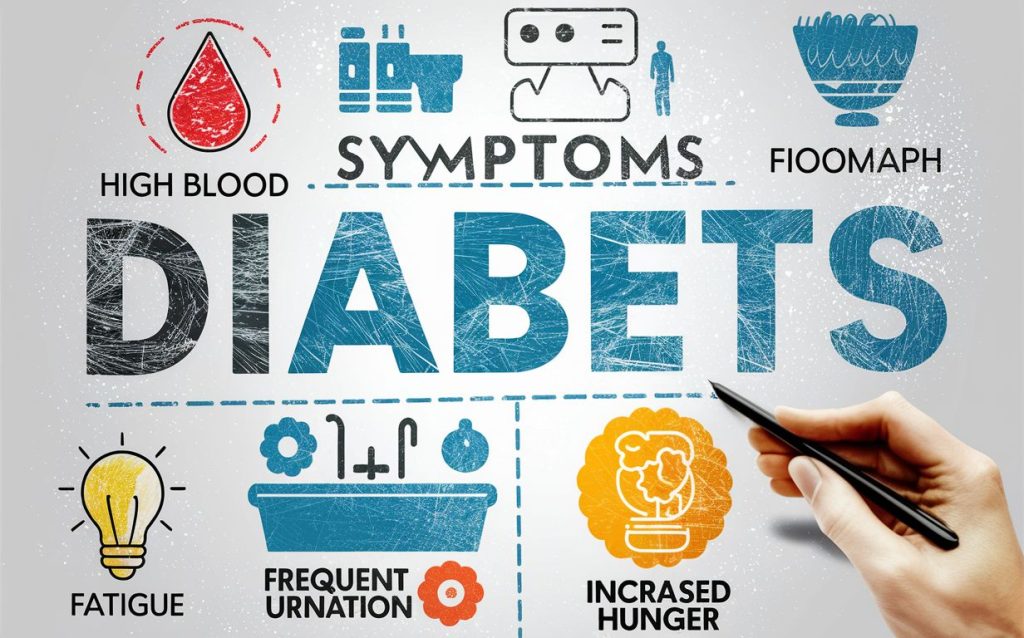
Diabetes is a chronic metabolic disorder characterized by elevated levels of blood glucose (sugar). Understanding the signs and symptoms of diabetes is crucial for early detection and proper management of the condition. Here is a detailed guide to help you recognize the signs and symptoms of diabetes:
1. Increased Thirst and Urination:
- One of the most common symptoms of diabetes is polyuria, or excessive urination.
- High levels of glucose in the blood can cause the kidneys to work harder to filter and absorb excess sugar. This leads to increased urine production, which can result in frequent urination.
- Excessive urination can also lead to increased thirst (polydipsia) as the body tries to compensate for fluid loss.
2. Unexplained Weight Loss:
- Unintentional weight loss is often an early sign of Type 1 diabetes.
- The body may begin to break down muscle tissue and fat for energy because it cannot effectively use glucose for fuel without insulin.
- Despite increased appetite and food intake, individuals with diabetes may experience unexplained weight loss.
3. Increased Hunger:
- Excessive hunger (polyphagia) is a common symptom of diabetes, especially Type 1 diabetes.
- When cells are unable to access glucose for energy due to insufficient insulin, the body may signal increased hunger to compensate for the lack of energy.
4. Fatigue and Weakness:
- Persistent fatigue and weakness are common symptoms of diabetes.
- Without adequate glucose to fuel cells, individuals with diabetes may experience feelings of lethargy and low energy levels.
5. Blurred Vision:
- High levels of glucose in the blood can cause changes in the shape of the lens of the eye, leading to blurred vision.
- Blurred vision may occur suddenly or gradually and may fluctuate throughout the day.
6. Slow-Healing Wounds and Infections:
- Diabetes can impair the body’s ability to heal wounds and fight infections.
- High blood sugar levels can damage blood vessels and nerves, leading to poor circulation and reduced immune function.
- Wounds, cuts, and infections may take longer to heal in individuals with diabetes, and they may be more prone to infections, such as urinary tract infections and skin infections.
7. Tingling or Numbness in Extremities:
- Peripheral neuropathy is a common complication of diabetes that affects the nerves in the extremities, such as the feet and hands.
- Tingling, numbness, or burning sensations in the hands and feet may occur due to nerve damage caused by high blood sugar levels.
8. Other Symptoms:
- Other symptoms of diabetes may include dry mouth, itchy skin, frequent infections, erectile dysfunction in men, and yeast infections in women.
It’s important to note that some individuals with Type 2 diabetes may not experience noticeable symptoms, especially in the early stages of the condition. Therefore, regular screening and monitoring of blood sugar levels are essential for early detection and timely intervention.
If you experience any of the signs and symptoms mentioned above, consult your healthcare provider for proper evaluation and diagnosis. Early detection and management of diabetes can help prevent complications and improve overall health and well-being.
Living with Diabetes
Living well with diabetes requires a multifaceted approach that includes:
- Healthy Eating: Following a balanced diet rich in fruits, vegetables, lean proteins, and whole grains can help manage blood sugar levels and prevent complications.
- Regular Exercise: Engaging in regular physical activity helps improve insulin sensitivity, control weight, and lower blood sugar levels.
- Monitoring Blood Sugar Levels: Regularly monitoring blood sugar levels with a glucose meter helps individuals with diabetes track their progress and make informed decisions about medication and lifestyle adjustments.
- Medication Management: Depending on the type and severity of diabetes, individuals may need to take oral medications, injectable insulin, or other medications to manage blood sugar levels effectively.
- Stress Management: Stress can affect blood sugar levels, so practicing stress-reduction techniques such as meditation, deep breathing exercises, and yoga can be beneficial.
- Regular Medical Checkups: Regular visits to healthcare providers are essential for monitoring diabetes-related complications, such as eye problems, kidney disease, nerve damage, and cardiovascular disease.
In conclusion, diabetes is a complex condition that requires ongoing management and support. By understanding the origins, types, symptoms, and management strategies for diabetes, individuals can take proactive steps to live well with this condition and minimize the risk of complications. Through a combination of healthy lifestyle choices, medication management, and regular medical care, individuals with diabetes can lead fulfilling and healthy lives.