Diarrhea is a common digestive disorder characterized by frequent, loose, and watery bowel movements. While often a temporary inconvenience, persistent or severe diarrhea can lead to dehydration and other complications. Understanding the symptoms, causes, and treatment options for diarrhea is essential for managing the condition effectively.
| Stage | Symptoms | Treatment |
|---|---|---|
| Acute | Frequent loose, watery stools | Oral rehydration solutions (ORS), |
| Abdominal cramps and pain | electrolyte replacement, |
| Nausea and vomiting | rest, avoid solid foods | |
|---|---|---|
| Chronic | Persistent diarrhea lasting more than | Identify underlying cause (e.g., |
| four weeks | infection, malabsorption, | |
| Weight loss | inflammatory bowel disease), |
| Fatigue and weakness | medications, dietary adjustments | |
|---|---|---|
| Recurrent | Periodic episodes of diarrhea | Address triggers (e.g., food |
| Intermittent abdominal discomfort | intolerances, stress), manage | |
| Bloating and gas | symptoms with dietary modifications, | |
| probiotics, stress management |
Symptoms of Diarrhea:
- Frequent loose, watery stools
- Abdominal cramps and pain
- Nausea and vomiting
- Bloating and gas
- Fever and chills (in severe cases)
- Blood or mucus in the stool (in certain types of diarrhea)
Causes of Diarrhea
- Viral Infections: Common viruses such as norovirus and rotavirus can cause acute diarrhea, often referred to as the stomach flu.
- Bacterial Infections: Consumption of contaminated food or water can lead to bacterial infections such as salmonella, E. coli, and Campylobacter.
- Parasitic Infections: Parasites like Giardia and Cryptosporidium can cause diarrhea, particularly in regions with poor sanitation.
- Food Intolerance: Some individuals may experience diarrhea after consuming certain foods or beverages, such as dairy products or artificial sweeteners.
- Medications: Antibiotics, laxatives, and certain medications can disrupt the balance of bacteria in the gut, leading to diarrhea.
- Chronic Conditions: Conditions like irritable bowel syndrome (IBS), inflammatory bowel disease (IBD), and celiac disease can cause chronic diarrhea.
Treatment Options for Diarrhea:
- Hydration.Replenishing fluids lost through diarrhea is crucial to prevent dehydration. Drink plenty of water, clear broths, electrolyte-rich beverages, and oral rehydration solutions (ORS).
- Dietary Modifications: Follow a bland diet consisting of easily digestible foods such as bananas, rice, applesauce, and toast (BRAT diet). Avoid spicy, fatty, and dairy-rich foods that can exacerbate diarrhea.
- Medications: Over-the-counter medications like loperamide (Imodium) can help alleviate diarrhea symptoms by slowing down bowel movements. However, use caution and consult a healthcare professional before taking anti-diarrheal medications, especially in cases of bacterial or parasitic infections.
- Probiotics: Consuming probiotic-rich foods or supplements can help restore the balance of healthy bacteria in the gut and promote digestive health.
- Rest and Relaxation: Allow your body time to rest and recover from diarrhea. Avoid strenuous activities and get plenty of sleep to support the healing process.
Home Treatment Remedies:
- Ginger Tea: Brew fresh ginger root in hot water to make soothing ginger tea. Ginger has natural anti-inflammatory and antimicrobial properties that can help alleviate gastrointestinal discomfort and reduce nausea.
- Apple Cider Vinegar Solution: Mix one tablespoon of apple cider vinegar with a glass of water. Drink this solution to help restore the pH balance in the digestive tract and promote healthy digestion.
- Banana and Rice Porridge: Cook rice in water and add mashed ripe bananas for a nourishing and easily digestible meal. Bananas contain pectin, which can help firm up loose stools, while rice provides a bland source of carbohydrates to ease digestive distress.
Here are some uncommon yet effective insights on Preventing and treat diarrhea
🧬 Prevention Strategies Beyond the Basics
✅ 1. Strengthen Gut Immunity with Soil-Based Probiotics
Unlike conventional probiotics (Lactobacillus or Bifidobacterium), soil-based organisms (SBOs) like Bacillus subtilis have been shown to:
Survive stomach acid better
Modulate immune responses in the gut
Help balance dysbiosis that leads to chronic diarrhea
> 🟢 SBOs can be taken daily as capsules, particularly helpful after antibiotics or food poisoning.
☕ 2. Avoid Hidden Laxatives in Herbal Teas and Supplements
Some “detox” or slimming teas include natural laxatives like:
Senna
Cascara sagrada
Aloe latex
These can irritate the bowels and cause rebound diarrhea if taken regularly.
> ✅ Always check herbal blends for hidden laxatives.
💧 3. Don’t Overhydrate Without Electrolytes
Drinking too much plain water—especially during or after diarrhea—can dilute sodium and potassium, worsening symptoms.
> 🧂 Instead, rehydrate with homemade or natural electrolyte drinks:
1 liter water + ½ tsp salt + 6 tsp sugar + squeeze of lemon
🍽️ Uncommon Dietary Treatments
🍌 4. Use Green Bananas, Not Ripe Ones
Green bananas are rich in resistant starch, which:
Feeds healthy gut bacteria
Slows gut motility
Reduces frequency of stools
> A 2001 study in Gastroenterology showed green banana flour reduced diarrhea in children faster than rice-based diets.
🥣 5. Add Stewed Apple or Apple Pectin
Apples (especially stewed) release pectin, a soluble fiber that:
Binds toxins in the gut
Firms up stool
Supports beneficial flora
> 🍎 Pectin is also available as a supplement if fresh apples aren’t tolerated.
🧘♂️ Mind-Gut Interventions
🧠 6. Practice Vagus Nerve Stimulation
The vagus nerve controls digestion. Stress-induced diarrhea (like IBS-D) can improve with:
Humming or chanting
Gargling cold water
Deep belly breathing
> These stimulate the vagus nerve, calming overactive gut motility.
💤 7. Improve Sleep Hygiene
Chronic poor sleep disrupts:
Melatonin, which influences gut motility
Cortisol, which affects inflammation and permeability
> Aim for consistent, restorative sleep to prevent flare-ups of diarrhea.
⚠️ Surprising Triggers and Fixes
🥛 8. Temporary Dairy Elimination (Even Without Lactose Intolerance)
Diarrhea damages the gut lining, reducing lactase enzyme activity, even in people who usually tolerate milk.
> 🧀 Avoid dairy for 3–5 days after an episode—even lactose-free products—to allow the gut to recover.
💊 9. Beware of Magnesium Supplements
High-dose magnesium (especially magnesium citrate or oxide) acts as an osmotic laxative.
> ✅ Switch to magnesium glycinate or malate if supplementation is needed during recovery.
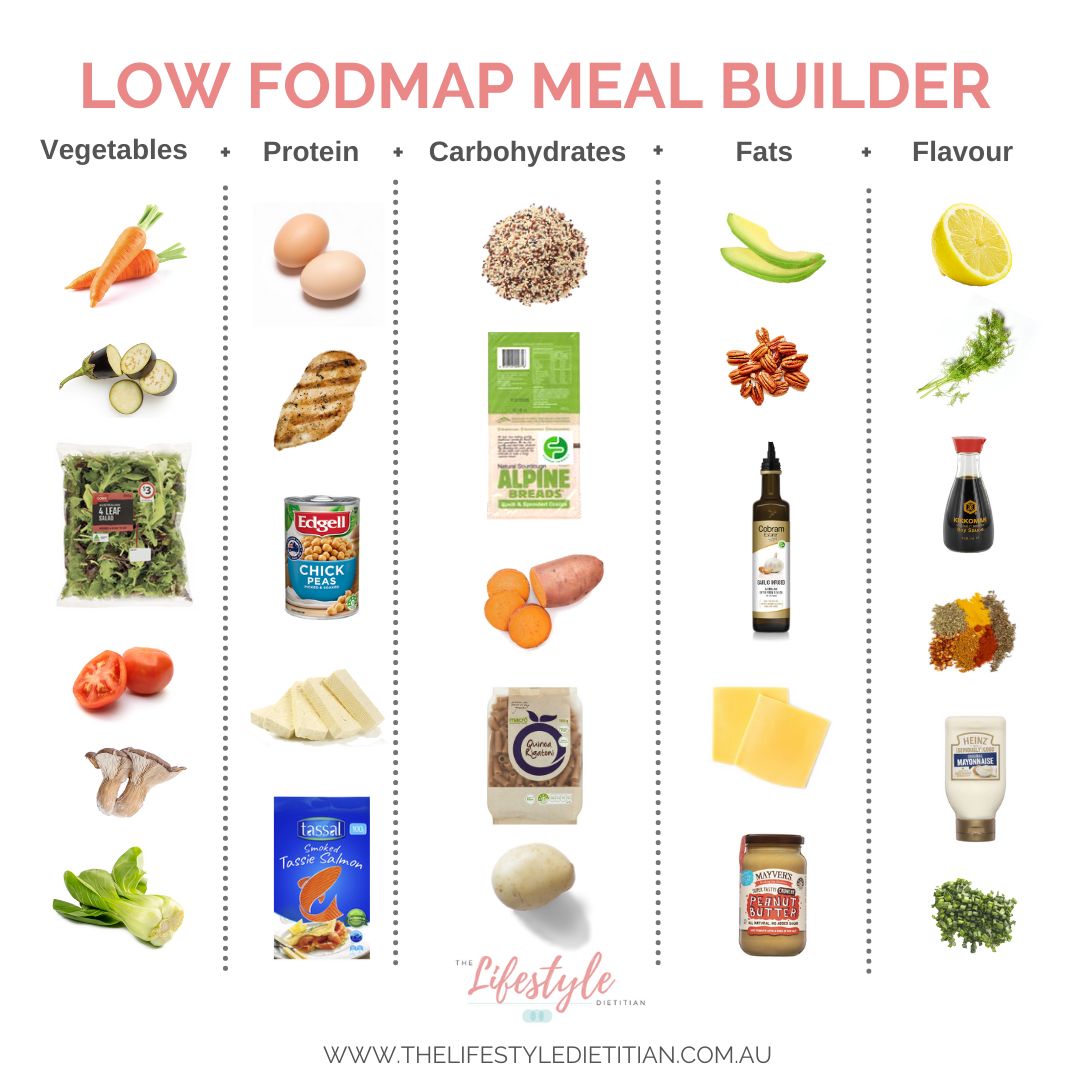
🌾 10. Consider Low FODMAP Foods During Recovery
Even after acute diarrhea, the gut may become temporarily sensitive to fermentable carbohydrates (FODMAPs), including:
Onions
Garlic
Beans
Wheat
> Following a low-FODMAP diet for a week can help calm lingering gut irritation.
How to Prevent
| Prevention Strategies for Diarrhea |
|---|
| 1. Practice Good Hygiene: |
| – Wash hands thoroughly with soap and water before eating, |
| after using the toilet, and after changing diapers. |
| – Use hand sanitizers when soap and water are unavailable. |
| 2. Ensure Safe Food and Water: |
| – Wash fruits and vegetables thoroughly before consumption. |
| – Cook meats thoroughly to kill harmful bacteria. |
| – Drink bottled or boiled water in areas with unsafe water. |
| 3. Avoid Contaminated Food and Beverages: |
| – Avoid consuming raw or undercooked foods, especially |
| seafood, eggs, and unpasteurized dairy products. |
| – Be cautious of street foods and unhygienic food vendors. |
| 4. Practice Safe Handling of Food: |
| – Store perishable foods properly in refrigerators. |
| – Use separate cutting boards and utensils for raw meats |
| and ready-to-eat foods to prevent cross-contamination. |
| 5. Promote Breastfeeding: |
| – Breastfeed infants exclusively for the first six months |
| of life to provide essential nutrients and antibodies. |
| – Breastfeeding can help prevent diarrheal infections. |
| 6. Immunization: |
| – Ensure children receive recommended vaccinations, |
| including those for rotavirus, measles, and polio. |
| – Vaccination can help prevent certain diarrheal diseases. |
| 7. Maintain Clean Living Environments: |
| – Keep living spaces clean and free from pests and insects. |
| – Proper sanitation can help prevent diarrheal infections. |
| – Dispose of human and animal waste in a sanitary manner. |
| 8. Avoid Unnecessary Antibiotic Use: |
| – Use antibiotics only when prescribed by a healthcare |
| professional for bacterial infections. |
| – Unnecessary antibiotic use can disrupt the balance of |
| beneficial bacteria in the gut, leading to diarrhea. |
In conclusion, while diarrhea is often a temporary inconvenience, persistent or severe symptoms warrant medical attention. By understanding the symptoms, causes, and treatment options for diarrhea, individuals can take proactive steps to manage the condition effectively and promote recovery.
Incorporating home treatment remedies can provide additional relief and support digestive health.
(!) If diarrhea persists or worsens, consult a healthcare professional for proper evaluation and treatment.