
Euphrasia, commonly known as eyebright, is a well-known herb used in both traditional herbal medicine and homeopathy for treating eye-related conditions. With several species offering medicinal properties, it is frequently recommended for eye health, sinus issues, and even certain skin conditions. In this article, we’ll explore the different types of Euphrasia, its benefits, how to use it, and the safety considerations you should keep in mind.

There are several species of Euphrasia, with the most common being:
- Euphrasia officinalis: The most widely used species, known for its eye-relieving properties.
- Euphrasia rostkoviana: Another species often found in traditional medicine, though it’s less common than officinalis.
- Euphrasia pectinata: Less commonly used but also valued for its medicinal properties.
- Euphrasia nemorosa: Occasionally included in medicinal applications, especially in Europe.
These species of Euphrasia are used both in herbal supplements and homeopathic remedies.
What is Euphrasia Used For?
Euphrasia is primarily used to treat conditions affecting the eyes and the upper respiratory tract. Its main applications include:
- Relieving Eye Irritation: it is frequently used to soothe eye discomfort caused by inflammation, conjunctivitis, and eye strain.
- Treating Sinus Congestion: it is known to help alleviate sinus congestion and watery eyes related to colds and hay fever.
- Addressing Skin Irritations: Topical applications may relieve minor skin irritations such as rashes or insect bites.
What is Euphrasia Officinalis, and What’s It Used For?
Euphrasia officinalis is the most common species of eyebright and is well-regarded for its benefits in treating various eye conditions. In herbal medicine and homeopathy, this plant is used to relieve:
- Red, irritated eyes.
- Watery discharge from the eyes due to allergies or infections.
- Conjunctivitis (pink eye) and blepharitis (inflammation of the eyelids).
Its anti-inflammatory and astringent properties make it ideal for eye health and support sinus-related issues.
What is Euphrasia Eyebright, and What’s It Used For?
Eyebright refers to Euphrasia as a general category of plants. In both herbalism and homeopathy, eyebright is widely used to address eye discomfort, particularly from dryness, irritation, and allergies. Eyebright is commonly found in eye drops, teas, and homeopathic pellets.
What Does Eyebright Do for Your Eyes?
Eyebright is known for:
- Reducing Inflammation: It helps to calm red, inflamed eyes due to conjunctivitis, pink eye, or other infections.
- Alleviating Dryness: Eyebright’s astringent properties can reduce eye discharge and dryness caused by allergies or irritation.
- Soothing Tired Eyes: If you suffer from eye strain or irritation from long periods of screen time or reading, eyebright can help provide relief.
Who Should Not Take Eyebright?
While eyebright is generally safe when used appropriately, it’s not suitable for everyone. People who should avoid or consult a healthcare provider before using eyebright include:
- Individuals with Eye Infections: If you have a serious infection or injury, it’s important to seek medical attention rather than relying solely on herbal remedies.
- Pregnant or Nursing Women: There isn’t enough research to confirm the safety of eyebright for pregnant or nursing women.
- People with Eye Surgery: Those who have recently undergone eye surgery should avoid using eyebright without medical supervision.
Are Euphrasia Eye Drops Safe?
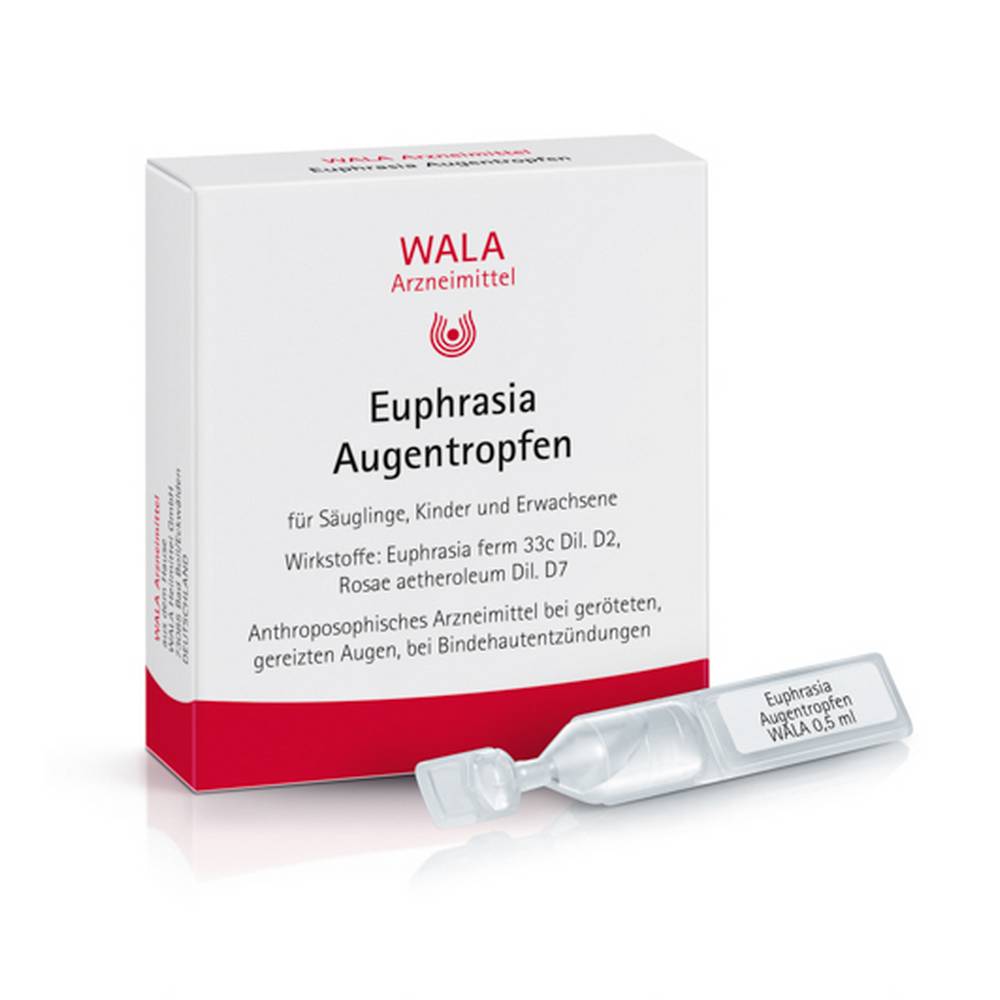
Euphrasia eye drops are generally considered safe for most individuals when used as directed. They are commonly used to treat eye irritation from allergens, dryness, and mild infections like conjunctivitis. However, it’s crucial to follow dosage instructions carefully and consult a healthcare provider if symptoms persist. Be cautious about using homemade or unsterilized eye drops, as this can lead to contamination and further irritation.
Benefits of Euphrasia
Euphrasia offers several key health benefits:
- Natural Anti-inflammatory: Helps reduce redness and irritation in the eyes.
- Astringent: Tightens and tones tissues, which can be useful for reducing eye discharge.
- Sinus Relief: this herbal remedy can help alleviate watery eyes and sinus congestion caused by allergies or colds.
- Safe for Long-term Use: In homeopathic dosages, Euphrasia is gentle and generally well-tolerated.
How to Use Euphrasia: 3 Step-by-Step Recipes
- Euphrasia Eye Compress for Red Eyes:
- Boil 1 cup of distilled water and steep 1 tablespoon of dried eyebright leaves for 10 minutes.
- Strain the liquid and let it cool.
- Soak a clean cloth in the tea, wring it out, and place it over closed eyes for 10–15 minutes.
- Euphrasia Herbal Tea for Sinus Relief:
- Steep 1 teaspoon of dried eyebright in a cup of hot water for 5–10 minutes.
- Drink up to three times daily to reduce sinus congestion and allergy symptoms.
- Euphrasia Eye Drops (Homeopathic):
- Purchase Euphrasia 10% sterile eye drops from a pharmacy.
- Instill 1-2 drops into each eye up to three times daily to relieve eye irritation and dryness.
Potential Side Effects for Euphrasia
Euphrasia is generally safe but may cause mild side effects in some individuals. Below is a summary of potential side effects:
| Side Effect | Description | Frequency |
|---|---|---|
| Mild Eye Irritation | Temporary stinging or redness, especially if using high concentrations or non-sterile preparations. | Rare |
| Allergic Reaction | Itching, swelling, or rash in those sensitive to the herb. | Rare |
| Dry Eyes | Prolonged use may cause some individuals to experience dry eyes. | Rare |
| Nasal Irritation | If used for sinus relief, may occasionally cause mild nasal dryness or irritation. | Very Rare |
Note: If you experience any side effects, discontinue use and consult a healthcare provider.
Conclusion
Euphrasia, commonly known as eyebright, is a versatile herb with numerous health benefits, particularly for eye care. Whether used in eye drops, teas, or compresses, it provides natural relief for eye irritation, dryness, and sinus issues. However, it’s important to use it safely and consult a healthcare provider, especially if you have pre-existing conditions or are pregnant.