Gallstones are a common digestive disorder that affects millions of people worldwide. Despite their prevalence, many individuals remain unaware of the different types of gallstones, their causes, and the symptoms they may present. In this comprehensive guide, we explore the intricacies of gallstones, shedding light on their classification, underlying causes, and associated symptoms.
Types of Gallstones:
Gallstones are categorized into two main types based on their composition:
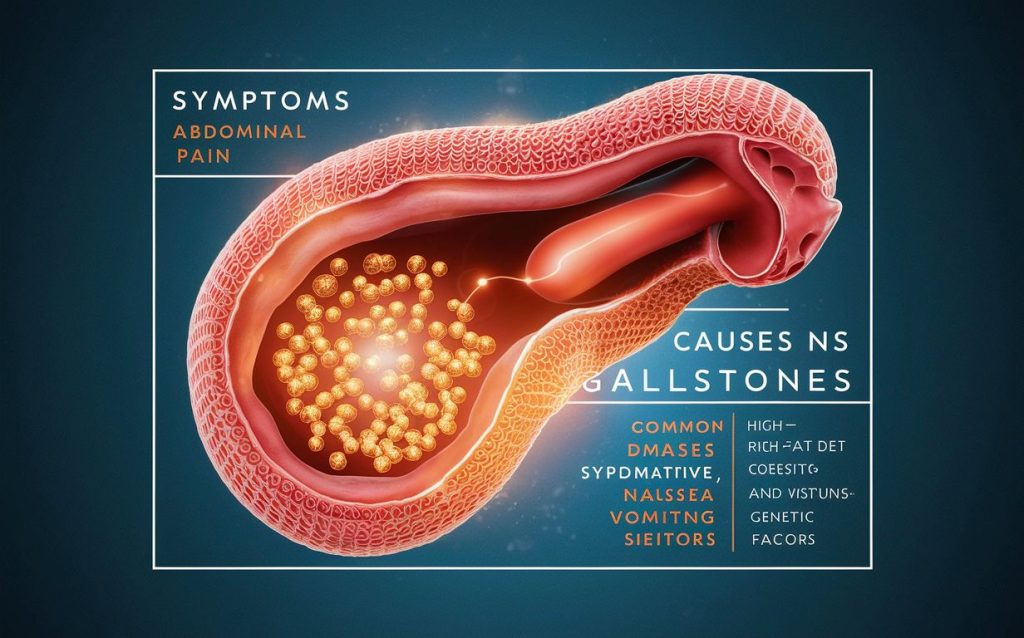
- Cholesterol Gallstones: These are the most common type of gallstones, accounting for approximately 80% of cases. Cholesterol gallstones are primarily composed of hardened cholesterol and are often yellow-green in color. They form when there is an imbalance in the components of bile, a digestive fluid produced by the liver to aid in the digestion of fats.
- Pigment Gallstones: Pigment gallstones are less common and typically smaller and darker than cholesterol gallstones. They are composed of bilirubin, a waste product produced during the breakdown of red blood cells. Pigment gallstones are often associated with conditions that cause an excess of bilirubin in the bile, such as liver cirrhosis, hemolytic anemia, or biliary tract infections.
Causes of Gallstones:
Several factors contribute to the formation of gallstones, including:
- Excess Cholesterol: High levels of cholesterol in the bile can lead to the formation of cholesterol gallstones. Factors such as obesity, a high-fat diet, rapid weight loss, and certain genetic predispositions can increase cholesterol levels in the bile.
- Impaired Gallbladder Emptying: When the gallbladder fails to empty completely or efficiently, bile may become concentrated, promoting the formation of gallstones. This impaired gallbladder function can result from conditions such as gallbladder dysmotility, fasting, or prolonged periods of immobility.
- Bile Composition: Imbalances in the composition of bile, such as an excess of cholesterol or bilirubin, can predispose individuals to gallstone formation. Changes in bile acidity or the presence of certain substances that promote stone formation can also contribute to gallstone development.
- Genetic Factors: Genetic predispositions may play a role in the development of gallstones. Family history of gallstones or inherited conditions that affect bile metabolism or gallbladder function can increase the likelihood of gallstone formation.
Symptoms of Gallstones:
The presence of gallstones may not always cause noticeable symptoms, especially if the stones remain lodged in the gallbladder without obstructing the bile ducts. However, when gallstones move or block the bile ducts, they can lead to a range of symptoms, including:
- Abdominal Pain: Intense, cramp-like pain in the upper right abdomen, often radiating to the back or right shoulder blade.
- Nausea and Vomiting: Nausea and vomiting may occur as a result of gallbladder inflammation or obstruction of the bile ducts by gallstones.
- Jaundice: Yellowing of the skin and eyes due to the buildup of bilirubin in the bloodstream, resulting from blocked bile ducts.
- Fever and Chills: In cases of acute cholecystitis (inflammation of the gallbladder), fever and chills may accompany abdominal pain and other symptoms.
- Indigestion: Bloating, gas, and discomfort after eating, particularly fatty or greasy foods, are common symptoms of gallstones.
Gallstone Treatment: A Multifaceted Approach
Gallstones, hardened deposits within the gallbladder, are a prevalent digestive concern. While some individuals experience no symptoms, others face pain, nausea, and discomfort. Fortunately, modern medicine offers a range of treatment options for gallstones, depending on the severity and individual needs.
Prevalence and Risk Factors:
- In the United States, an estimated 10-15% of adults harbor gallstones, with women twice as likely as men to be affected.
- Risk factors include age, obesity, family history, rapid weight loss, and certain medications.
Treatment Options:
- Cholecystectomy (Gallbladder Removal):
- The most common and definitive treatment for symptomatic gallstones, with a success rate exceeding 95%.
- There are two primary methods:
- Laparoscopic Cholecystectomy: Minimally invasive surgery using small incisions and a laparoscope (camera) for visualization. This is the preferred approach, with a shorter recovery time (1-2 weeks) and fewer complications.
- Open Cholecystectomy: A larger incision is made for direct gallbladder access. This is typically reserved for cases where laparoscopy is not feasible.
- Nonsurgical Treatments:
- Generally reserved for specific situations, such as patients with high surgical risk or small, cholesterol gallstones. Options include:
- Ursodiol (Actigall, Chenix): Medication that helps dissolve cholesterol gallstones over 6-24 months. Effective for only specific types of gallstones and requires long-term monitoring.
- Extracorporeal Shock Wave Lithotripsy (ESWL): Uses sound waves to fragment gallstones for easier passage. Not widely used due to potential complications and limited effectiveness.
- Generally reserved for specific situations, such as patients with high surgical risk or small, cholesterol gallstones. Options include:
Choosing the Right Treatment:
The optimal treatment depends on several factors, including:
- Severity of symptoms
- Patient health and overall risk factors
- Type and size of gallstones
- Presence of complications (e.g., gallstone pancreatitis)
Considerations for Each Option:
- Surgery: Highly effective but carries inherent surgical risks like infection and bleeding.
- Nonsurgical options: May not be suitable for all patients and have limitations in effectiveness, often requiring long-term treatment.
Lifestyle Modifications:
Regardless of the chosen treatment, lifestyle changes can promote overall health and potentially reduce the risk of future gallstone formation:
- Maintain a healthy weight: Obesity is a significant risk factor.
- Adopt a balanced diet: Limit saturated and unhealthy fats, increase fiber intake.
- Exercise regularly: Promotes healthy digestion and weight management.
Gallstone treatment has evolved significantly, offering various options to address this common health concern. Early diagnosis and discussion with a healthcare professional are crucial to determine the most suitable approach. By combining evidence-based treatment with lifestyle modifications, individuals with gallstones can effectively manage their condition and achieve a better quality of life.
Conclusion:
Gallstones are a prevalent digestive disorder that can cause significant discomfort and complications if left untreated. Understanding the different types of gallstones, their underlying causes, and the symptoms they may present is crucial for early detection and management. While some individuals may remain asymptomatic, others may experience severe abdominal pain, nausea, jaundice, or other symptoms indicative of gallstone-related complications. Prompt medical evaluation and appropriate treatment are essential for addressing gallstone-related issues and preventing potential complications. If you suspect you may have gallstones or are experiencing symptoms suggestive of gallbladder problems, consult a healthcare professional for evaluation and personalized management.