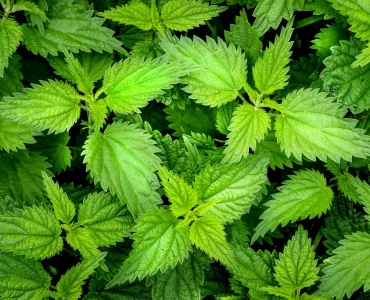
(camellia sinensis)
Green teas, black teas and oolong are derived from the same plant, native to China. Green tea is produced by lightly steaming the fresh cut leaf, while to produce black tea the leaves are allowed to oxidise and ferment. Oolong tea is partially oxidised. Oxidation destroys the active compounds in the leaf, therefore Green tea has the most pharmocological action.
According to Chinese legend, tea was discovered accidentally by an emperor 4,000 years ago. Since then, Traditional Chinese Medicine has recommended green tea for headaches, body aches and pains, digestion, depression, immune enhancement, detoxification, as an energizer, and to prolong life.
What it does
Green tea contains many different compounds including polythenols, tannins, caffeine, vitamins, minerals, protein and volatile oils. The polythenol, catechin is responsible for most of Green tea’s medicinal activity. It is a potent anti-oxidant and also encourages production of antioxidant enzymes in the body.
Potential Uses
| Atherosclerosis | Cholesterol | Flu |
| Viral infections | Bacterial infections | Weight loss |
Other information
Evidence suggests that green tea possesses a potent activity against harmful bacteria and viruses, most likely due to the direct effects of catechins and the indirect effect of the raised levels of glutathione peroxidase.
Various flavonoids found in green tea have been shown to inhibit the release of histamine, a major chemical mediator in allergic reactions.
Green tea contains compounds such as theophylline and caffeine, both which have been shown to enhance the rate of fat metabolism. Since the greater the rate of fat metabolism the more free radicals produced, green tea’s antioxidant properties are especially useful.
Cautions
Those with an extreme sensitivity to caffeine may want to avoid green tea unless it has been de-caffeinated. Decaffeinated green tea would also possess the above mentioned attributes, with the exception of the enhancement of fat metabolism.
The caffeine content of this herb when combined with MAOI antidepressants may lead to increased blood pressure – check with your doctor before you take green tea.
The Vitamin K content of green tea may interfere with and reduce the effects of anti-coagulant medications.
Uses
Beyond its delightful flavor, green tea has long been celebrated for its myriad of health benefits. Packed with antioxidants and rich in bioactive compounds, this beverage offers a host of medical applications. Additionally, green tea’s versatility extends beyond the cup, providing a wonderful ingredient for a variety of culinary creations. Let’s explore the remarkable medical uses of green tea and discover some enticing recipes to incorporate it into your daily routine.
Medical Uses:
- Antioxidant Powerhouse: Green tea is replete with catechins, potent antioxidants that combat oxidative stress, reducing the risk of chronic diseases and supporting overall cellular health.
- Heart Health: Regular consumption of green tea has been associated with improved cardiovascular health, including lower blood pressure, reduced cholesterol levels, and enhanced arterial function.
- Metabolism and Weight Management: The catechins and caffeine in green tea work synergistically to boost metabolism, aiding in weight loss and weight management efforts.
- Brain Function and Mental Clarity: The combination of caffeine and amino acid L-theanine in green tea may enhance brain function, improving focus, mood, and cognitive performance.
- Anti-Inflammatory Properties: Green tea’s potent anti-inflammatory effects may help alleviate symptoms of arthritis and other inflammatory conditions, providing relief from pain and swelling.
Recipes:
-
Matcha Smoothie Bowl:
- Ingredients: Matcha powder, Greek yogurt, mixed berries, granola, honey.
- Instructions: Mix matcha powder into Greek yogurt, top with mixed berries, granola, and a drizzle of honey for a vibrant and energizing breakfast.
-
Green Tea Infused Quinoa Salad:
- Ingredients: Cooked quinoa, cucumber, cherry tomatoes, avocado, feta cheese, green tea vinaigrette (green tea, olive oil, lemon juice, honey).
- Instructions: Toss cooked quinoa, chopped vegetables, and feta cheese. Drizzle with green tea vinaigrette for a refreshing and nutritious salad.
-
Iced Green Tea Lemonade:
- Ingredients: Green tea, lemon juice, honey, ice.
- Instructions: Brew green tea, chill, and mix with lemon juice and honey. Serve over ice for a revitalizing and hydrating beverage.