Showing: 171 - 180 of 345 Articles
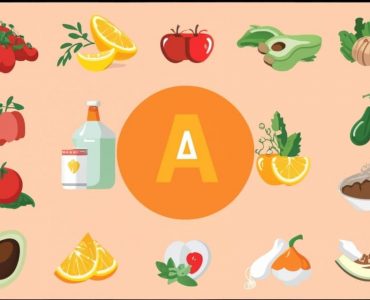
sources of vitamin A in products and health benefits. read more

Vitamin A

Retinol What is it? Vitamin A is an essential human nutrient. It is fat soluble and actually refers to a family of similarly shaped molecules called the retinoids. It’s measured in mcg (micrograms) or iu (international units). 1mcg = 3.33iu. Vitamin A has many functions and is considered important for well over 100 different disorders …
astragalus

Exploring the Benefits of Astragalus Membranaceus: A Guide to Health and Wellness

Astragalus (astragalus membranaceus) is native to northern China and the elevated regions of the Chinese provinces, Yunnan and Sichuan. The portion of the plant used medicinally is the four- to seven-year-old dried root, collected in the spring. In the classical treatise Shen Nung Pen Tsao Ching (circa A.D. 100) astragalus is classified as a superior …

ashwagandha-image

Ashwagandha: Benefits, Usage, and Potential Side Effects

(withania somnifera) Ashwagandha, which belongs to the pepper family, is found in India and Africa, it is sometimes called “Indian Ginseng”. The roots of ashwagandha are used medicinally. The health applications for ashwagandha in traditional Indian and Ayurvedic medicine are extensive and include, tumours, inflammation, arthritis and infectious diseases. The shoots and seeds are also …

ginseng-roots image

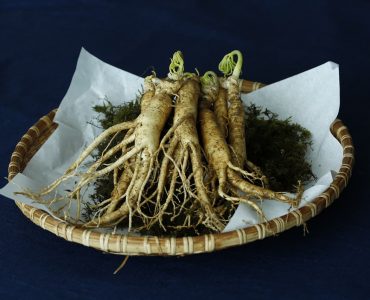
Discovering the Benefits of American Ginseng: Health and Well-being Insights

American Ginseng (Panax quinquefolius) is related to Korean ginseng (Panax ginseng), the root of American ginseng is used medicinally. The plant grows wild in shady forests of the northern and central United States, as well as in parts of Canada. It is cultivated in the United States, China, and France. Many Native American tribes used …

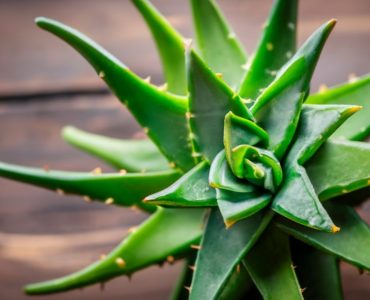
Unlocking the Benefits of Aloe Barbadensis: Your Guide to Health and Skincare

(Aloe barbadensis) The aloe plant originally came from Africa but is grown in most hot climates all over the world. The inner gel of the leaves, which are long, green, fleshy, and have spikes along the edges, are used medicinally. Aloe has been historically used for many of the same conditions for which it is …

medicago-satigo-alfalfa flowers

Alfalfa: Benefits, Uses and Who It’s For

(Medicago sativa) Alfalfa, also known as lucerne, is a member of the pea family and is native to western Asia and the eastern Mediterranean region. Alfalfa sprouts have become a popular food for use in salad dishes, due to their high nutritional content. Alfalfa herbal supplements primarily use the dried leaves of the plant. The …

agnus castus featured image

Agnus Castus

Agnus Castus is a tree native to central Asia and the Mediterranean region. It is the fried ripe berries that are used in herbal medicine. Hippocrates, Dioscorides, and Theophrastus mention the use of agnus castus for a wide variety of conditions, including haemorrhage following childbirth and assisting with the “passing of afterbirth”. Decoctions of the …

nat mur salt-

Natrum Muriaticum: A Homeopathic Remedy for a Variety of Conditions

Natrum muriaticum (Nat Mur), derived from sodium chloride (table salt), is a commonly used remedy in homeopathy, a system of alternative medicine based on the principle of “like cures like.” While homeopathy is not recognized by conventional medicine, it’s important to approach this information with an open mind and consult a qualified healthcare professional for …

Carbo Vegetabilis: A Homeopathic Medicine for a Variety of Conditions

Carbo vegetabilis, also known as vegetable charcoal or activated charcoal, is a homeopathic remedy derived from carbonized vegetable matter. It’s primarily used for digestive issues and symptoms like bloating, flatulence, and indigestion, especially when accompanied by a sensation of heaviness and slowness. It is made from the activated charcoal of vegetable matter, and it is …

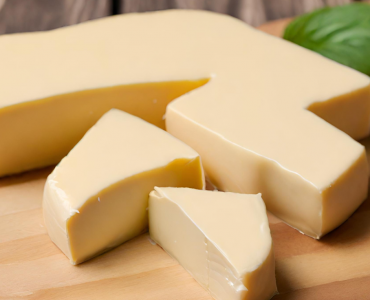
soy cheese

Isoflavones: Foods, Benefits, Side Effects, and Supplements

Soya isoflavones are a type of water soluble pigment known as bioflavanoids. Relatively large amounts of isoflavones are present in whole soybeans, roasted soya nuts, tofu, tempeh, soya milk, meat substitutes, soya flour, and some soya protein isolates.The main isoflavones present in soya are genistein, glycitein and daidzein. What it does Oestrogen Regulating: contain phytoestrogenic …

[instagram-feed]