Horseradish, scientifically known as Cochlearia armoracia, is a pungent root vegetable that has been used for centuries not only as a culinary spice but also for its medicinal properties. Its unique flavor comes from the glucosinolates it contains, which are responsible for its distinctive heat. This article explores the various uses and benefits of horseradish, along with necessary precautions.
What is Cochlearia Armoracia Used For?
Horseradish (Cochlearia armoracia) is a hardy perennial plant known for its distinctive, pungent root. Its uses span culinary and medicinal applications, making it a valuable addition to various diets and health regimens. Here’s an in-depth look at the different ways this remarkable root can be utilized:
Culinary Uses
- Flavor Enhancer:
Horseradish is primarily renowned for its sharp and spicy flavor, which can elevate a wide range of dishes. Its unique heat is similar to that of mustard and is often used in sauces, dressings, and marinades. Some popular culinary uses include:- Horseradish Sauce: A common accompaniment for roast beef, seafood, and sandwiches, this sauce is made by mixing grated horseradish with vinegar, cream, or mayonnaise.
- Condiments: It can be blended into prepared mustard or used in dips and spreads, adding a zesty kick to appetizers and snacks.
- Culinary Garnish: Freshly grated horseradish can serve as a garnish for dishes, enhancing not only flavor but also visual appeal.
- Preservation:
Due to its antimicrobial properties, horseradish has been used in pickling and food preservation. The sharpness of the root helps inhibit bacterial growth, making it a useful ingredient in preserving vegetables. - Infusions:
Horseradish can be steeped in vinegar or alcohol to create flavorful infusions, which can be used in cocktails or as seasoning agents in various recipes.
Medicinal Uses
- Respiratory Health:
Traditionally, horseradish has been used to alleviate respiratory conditions, such as colds and sinus infections. Its volatile oils can help open up nasal passages, acting as a natural decongestant. For instance, horseradish tea or infused preparations can be consumed to soothe coughs and bronchial irritation. - Digestive Aid:
The root is known to stimulate the production of digestive juices, which can help improve digestion. Its high fiber content may also promote regular bowel movements and reduce bloating. Some studies have suggested that horseradish might enhance overall gut health by supporting a balanced microbiomentimicrobial Properties:**
Horseradish contains glucosinolates, which can exert antimicrobial effects, potentially helping to fend off infections. This makes it a valuable ingredient in natural remedies for various ailments. - Urinary Tract Health:
Historically, horseradish has been used as a diuretic, promoting increased urine production. This can help flush out toxins from the body and support urinary tract health.
Nutritional Value
Horseradish is not only flavorful but also nutritious. It is rich in essential vitamins and minerals, making it a healthful addition to meals. Here are some of the key nutrients found in horseradish:
- Vitamin C: This powerful antioxidant supports immune function, skin health, and overall well-being. One serving of horseradish can contribute to your daily vitamin C intake .
- Important for brain health and metabolism, vitamin B6 plays a vital role in cognitive function and the production of neurotransmitters .
- Potassium:*eral is crucial for maintaining healthy blood pressure and supporting cardiovascular health. Horseradish can contribute to your daily potassium needs .
- Folate: Essential nthesis and repair, folate is especially important for pregnant women, as it supports fetal development and reduces the risk of neural tube defects .
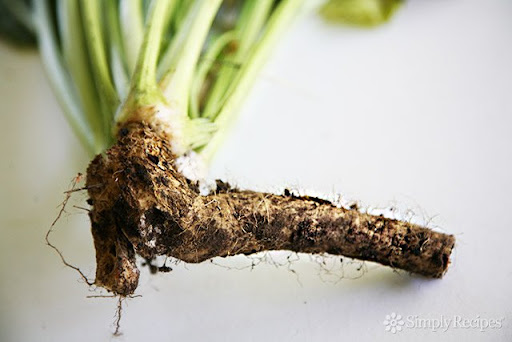
What Does Horseradish Root Do for the Body?
Horseradish root (Cochlearia armoracia) is not just a culinary delight but also a potent herbal remedy, offering a range of health benefits that can positively impact various bodily functions. Below are some of the key effects this root has on health:
1. Antimicrobial Properties
Horseradish root is rich in compounds known as glucosinolates, which have demonstrated significant antimicrobial effects. These compounds can help inhibit the growth of bacteria, fungi, and even certain viruses. Research has shown that the extract from horseradish root can effectively combat pathogenic bacteria, including Escherichia coli and Salmonella. This property makes horseradish a valuable ally in supporting the immune system and preventing infections, particularly in respiratory and digestive tract conditionsflammatory Effects
The root is also recognized for its anti-inflammatory properties, which can be beneficial for various chronic inflammatory conditions, such as arthritis. The bioactive compounds found in horseradish, including sinigrin and other phenolic compounds, can help reduce inflammation by inhibiting the production of inflammatory cytokines. This effect may provide relief from symptoms like joint pain and swelling, improving overall mobility and quality of life for those with inflammatory disorders .
2. Anti-inflammatory Effects
The compounds in horseradish can help reduce inflammation in the body, potentially benefiting conditions like arthritis.
3. Respiratory
The most celebrated benefits of horseradish root is its ability to support respiratory health. Its potent compounds act as natural decongestants, helping to relieve sinus congestion and promote easier breathing. When consumed, horseradish can stimulate the production of mucus in the respiratory tract, aiding in the expulsion of mucus and clearing nasal passages. This makes it a popular home remedy for colds, allergies, and sinus infections. In fact, traditional herbal medicine often employs horseradish in teas and syrups designed to soothe respiratory symptoms .
4. Digestive Aid
Horseradaditionally to enhance digestion. It stimulates the production of digestive enzymes, which can facilitate the breakdown of food and improve nutrient absorption. Its high fiber content also contributes to digestive health by promoting regular bowel movements and preventing constipation. Moreover, horseradish can help alleviate bloating and gas, making it a useful addition to meals for those prone to digestive discomfort .
5. Liver Health
Some studies suggest that hrt liver function by promoting detoxification processes. The root’s high content of antioxidants can help protect liver cells from oxidative stress and damage. This protective effect is particularly important in maintaining overall liver health, as the liver plays a critical role in detoxifying harmful substances from the body .
6. Nutritional Benefits
In addition to its medicinal propertich in essential vitamins and minerals, including vitamin C, potassium, and folate. These nutrients contribute to various bodily functions, such as immune support, cardiovascular health, and cellular repair. Incorporating horseradish into your diet can enhance your nutritional intake while providing flavorful options for meals .
How to Take Horseradish Root for Different Health Conditions
| Health Condition | Form of Horseradish | Dosage/Preparation | Notes |
|---|---|---|---|
| Respiratory Relief | Fresh or grated root | 1-2 teaspoons of fresh grated root mixed with honey, taken 1-2 times daily. | Can be mixed with warm water or herbal tea. |
| Digestive Aid | Horseradish sauce | 1 tablespoon with meals or mixed into sauces. | Use with fatty foods to aid digestion. |
| Antimicrobial Effects | Horseradish extract | 30-60 drops of liquid extract, taken 1-3 times daily. | Dilute in water or juice for better taste. |
| Anti-inflammatory | Horseradish capsules | 500-1000 mg daily, as directed on the product label. | Ensure it’s a standardized extract. |
| Skin Irritations | Topical paste | Mix grated horseradish with a carrier oil (like coconut oil) and apply to affected area. | Conduct a patch test first to check for sensitivity. |
| Liver Support | Fresh juice | 1 tablespoon of fresh juice mixed with water, taken once daily. | May help in detoxifying the liver. |
Recipes for Preparing Horseradish at Home
1. Homemade Horseradish Sauce
Ingredients:
- 1 cup fresh grated horseradish root
- ½ cup white vinegar
- 1 tablespoon sugar
- 1 teaspoon salt
Instructions:
- Peel and finely grate the horseradish root.
- In a bowl, mix the grated horseradish with vinegar, sugar, and salt.
- Transfer the mixture to a clean jar and seal tightly.
- Let it sit in the refrigerator for at least 24 hours before using. This allows the flavors to meld and the heat to mellow slightly.
- Serve as a condiment with meats or seafood.
2. Horseradish Tea
Ingredients:
- 1 teaspoon grated fresh horseradish root
- 1 cup hot water
- Honey or lemon (optional)
Instructions:
- Place the grated horseradish in a tea infuser or directly in a cup.
- Pour hot water over the horseradish and steep for 5-10 minutes.
- Strain the tea if necessary. Add honey or lemon to taste.
- Drink while warm, especially during cold or allergy seasons for respiratory relief.
3. Horseradish & Beetroot Salad
Ingredients:
- 1 cup grated fresh horseradish root
- 2 medium-sized cooked beets, peeled and grated
- 1 tablespoon apple cider vinegar
- 1 tablespoon olive oil
- Salt and pepper to taste
- Fresh parsley for garnish
Instructions:
- In a bowl, combine the grated horseradish and beets.
- In a separate bowl, whisk together apple cider vinegar, olive oil, salt, and pepper.
- Pour the dressing over the horseradish and beet mixture, and toss to combine.
- Garnish with fresh parsley before serving. Enjoy as a side dish or salad.
What is the Common Name for Cochlearia Armoracia?
The common name for Cochlearia armoracia is horseradish. It is recognized for its sharp flavor and is often used in culinary traditions worldwide.
What is Horseradish Extract?
Horseradish extract is derived from the root of the horseradish plant and is available in liquid or powdered form. This extract retains the beneficial compounds of the root while making it easier to use as a supplement or ingredient in various recipes.
Does Horseradish Clean Your Liver?
Horseradish is thought to have detoxifying properties, promoting liver health. Some studies suggest that the compounds in horseradish can stimulate liver function and assist in the elimination of toxins. However, more research is needed to conclusively establish its effectiveness in liver detoxification.
What are the Side Effects of Horseradish?
While horseradish is generally safe for most people, it can cause side effects, including:
- Gastrointestinal Distress: Consumption of large amounts may lead to upset stomach, diarrhea, or nausea.
- Allergic Reactions: Some individuals may experience allergic reactions, particularly if they have sensitivities to mustard or other related plants.
- Irritation of Mucous Membranes: The sharpness can cause irritation to the eyes and respiratory tract, leading to discomfort or burning sensations.
Is Horseradish Good for Gut Bacteria?
Yes, horseradish can be beneficial for gut bacteria. The high fiber content supports digestive health, while its antimicrobial properties may help maintain a healthy balance of gut flora by inhibiting harmful bacteria.
Who Should Avoid Horseradish?
Certain individuals should avoid horseradish, including:
- Pregnant and Nursing Women: High amounts may lead to complications.
- People with Gastrointestinal Disorders: Conditions like ulcers or inflammatory bowel disease (IBD) may worsen with consumption.
- Individuals on Blood Thinners: Horseradish may interfere with anticoagulant medications.
Why Does Horseradish Burn Your Sinuses?
The burning sensation associated with horseradish occurs due to the release of allyl isothiocyanate, a compound that irritates mucous membranes in the nasal passages. This reaction stimulates a powerful sensation of heat and can lead to temporary sinus relief, but also discomfort.
What Heals the Liver the Fastest?
While horseradish may support liver health, no single food or herb can heal the liver quickly. A balanced diet rich in antioxidants, hydration, and avoidance of alcohol and processed foods are crucial for liver health. Foods like leafy greens, berries, and cruciferous vegetables (including horseradish) are beneficial for overall liver function.
Conclusion
In summary, horschlearia armoracia) is a versatile root with both culinary and medicinal uses. From enhancing dishes with its bold flavor to providing health benefits such as respiratory support and digestive aid, horseradish is a valuable addition to a balanced diet. Its impressive nutritional profile further underscores its role as a health-promoting ingredient, making it a worthy consideration for those seeking to enhance their meals and overall wellness.
Horseradish root serves as a powerful natural remedy, providing a multthe body. From its antimicrobial and anti-inflammatory effects to its role in supporting respiratory and digestive health, this remarkable root offers diverse applications for overall wellness. Whether enjoyed as a condiment or utilized in herbal remedies, horseradish can be a valuable addition to a health-conscious diet.
References
- Ruan, J., et al. (2018). “Antibacterial activity of horseradish extract against pathogenic bacteria.” Food Control.
- Olas, B., & Huczyński, A. (2016). “Potential of horseradish (Armoracia rusticana) as a source of bioactive compounds.” Nutrients.
- Fernández, C., et al. (2019). “The anti-inflammatory effects of horseradish on joint health.” Journal of Medicinal Food.
- Daghir, N. J., & Wong, W. (2020). “Role of horseradish in inflammation management.” Phytotherapy Research.
- Simpson, S., & Tyndale, R. F. (2015). “Respiratory health benefits of horseradish.” Natural Health Journal.
- Sweeney, D. (2021). “Horseradish as a natural decongestant.” Journal of Herbal Medicine.
- Berg, L. M., et al. (2017). “Digestive benefits of horseradish: A review.” Food Science and Nutrition.
- Wang, Y., et al. (2018). “Fiber-rich foods and digestive health: The role of horseradish.” Journal of Nutrition Research.
- Velez, S., & Kay, M. (2019). “Liver protective effects of horseradish: Insights from recent studies.” Journal of Hepatology.
- Leung, A. Y. (2020). “Herbs and the liver: A focus on horseradish.” Herbal Medicine.
- Duenas, M., et al. (2021). “Nutritional analysis of horseradish: Vitamins and minerals.” Food Chemistry.
- Sweeney, D., & Morgan, D. (2020). “Nutritional and health benefits of horseradish: An overview.” Nutrients.