
Humulus lupulus, commonly known as hops, is a perennial climbing plant that belongs to the Cannabaceae family. It is most famous for its use in brewing beer, where the female flower cones (hop strobiles) provide the characteristic bitterness, flavor, and aroma. However, hops have a long history of use in traditional and herbal medicine due to their range of pharmacological properties, particularly their calming and sedative effects.
The Humulus Lupulus Plant
The hops plant is a vigorous climber that can grow up to 20-30 feet in a single season, primarily thriving in temperate regions. Its cones are harvested and dried for use in brewing, but in herbal medicine, both the cones and leaves have been used for various treatments. The plant is rich in phytoestrogens, making it significant not only in brewing but also in herbal medicine for hormone-related health concerns.
Overview of Humulus lupulus

Humulus lupulus, commonly known as hops, is a perennial climbing plant belonging to the Cannabaceae family. It is primarily recognized for its role in beer brewing, where its flowers are used for flavoring and preservation.
Over centuries, hops were used as remedy for leprosy, pulmonary tuberculosis, silicosis, indigestion, ear infection, and many other complaints (Hops (Humulus lupulus L.) as a Novel Multipurpose Crop for the Mediterranean Region of Europe: Challenges and Opportunities of Their Cultivation)
Botanical Characteristics
- – Growth Habit: Hops are vigorous, herbaceous vines that can grow up to 9 meters (approximately 30 feet) in length. They have both horizontal and vertical root systems.
- – Leaves: The leaves are opposite, cordate (heart-shaped), and typically lobed with serrated edges.
- – Flowers: Hops are dioecious, meaning male and female flowers grow on separate plants. The female flowers form cone-like structures known as strobiles, which are harvested for their aromatic qualities.
Native Habitat and Distribution
Hops are native to Europe, western Asia, and North America. They thrive in temperate climates and are cultivated globally for various uses, particularly in brewing.
Medicinal Uses of Hops
Hops have been utilized in traditional medicine for centuries, attributed to several beneficial properties:
- – Sedative Effects: Historically, hops have been used to treat sleep disturbances. Native American tribes employed them as a sedative and analgesic, although clinical evidence supporting these effects is limited [2][4].
- – Antimicrobial Properties: The female flower cones contain compounds such as humulone and lupulone, which exhibit antibacterial and antifungal activities. These properties make hops effective against various pathogens, including strains of *Staphylococcus* and *E. coli* [2][4].
- – Anti-inflammatory Effects: Extracts from hops have been studied for their potential anti-inflammatory properties, which may help alleviate conditions associated with inflammation [2][4].
- – Hormonal Balance: Xanthohumol, a flavonoid found in hops, has been researched for its phytoestrogenic properties, which may influence hormonal balance in the body [5].
When hops were harvested by hand, menstrual disorders frequently happened among female pickers [33]. Initially, the estrogenic activity was attributed to xanthohumol [34], until a potent phytoestrogen, 8-prenylnaringenin (8-PN), was identified in hops and beer [33,35]. Nowadays, supplements containing hop phytoestrogens are often used for menopausal symptoms, breast enhancement, and bone health
How are hops used in traditional medicine
Hops have been used in traditional medicine for their various health benefits. Some ways in which hops are used in traditional medicine include:
- 1. Sedative Properties: Hops have natural sedative properties and are often used to promote relaxation and improve sleep quality. They are commonly used in herbal teas and supplements for their calming effects.
- 2. Digestive Health: Hops have been used to support digestive health by easing digestive discomfort, reducing bloating, and improving appetite.
- 3. Anti-inflammatory: Hops contain compounds that have anti-inflammatory properties, which can help reduce inflammation in the body and alleviate conditions such as arthritis and other inflammatory disorders.
- 4. Menstrual Support: Hops are used to help relieve symptoms of menstrual discomfort such as cramps and mood swings.
- 5. Anxiety and Stress Relief: Hops are believed to have anxiolytic properties that can help reduce feelings of anxiety and stress.
- 6. Antioxidant Properties: Hops contain antioxidants that can help protect cells from damage caused by free radicals and may have anti-aging benefits.
It’s important to note that while hops have been used in traditional medicine for various purposes, it’s always best to consult with a healthcare professional before using hops or any other herbal remedy for medicinal purposes, especially if you have any underlying health conditions or are taking medications.
What are the active compounds in hops that exhibit antimicrobial properties
The two main active compounds in hops that exhibit antimicrobial properties are humulone and lupulone. These compounds are part of a group of chemicals known as alpha acids, which are responsible for the bitter taste in beer. Humulone and lupulone have been found to have antimicrobial properties, particularly against certain strains of bacteria.
- Humulone (α-acids)
- and lupulone (β-acids):
These compounds have been shown to possess antimicrobial and anti-inflammatory properties. In particular, humulone has been researched for its ability to inhibit bacterial growth, which is partly why hops are used in brewing to preserve beer.
Studies published in the Journal of Applied Microbiology have demonstrated that hops’ α-acids have a potent effect against gram-positive bacteria, making them potentially useful for natural antimicrobial applications in food and medicine.
Can hops be used to treat sleep disturbances
Yes, hops have been used traditionally to help with sleep disturbances. Hops contain compounds that have sedative and calming effects, which can help promote relaxation and improve sleep quality. Hops are commonly used in herbal teas and supplements designed to aid sleep. However, it’s always a good idea to consult with a healthcare provider before using hops or any other supplement for sleep disturbances, especially if you have any existing health conditions or are taking medications.
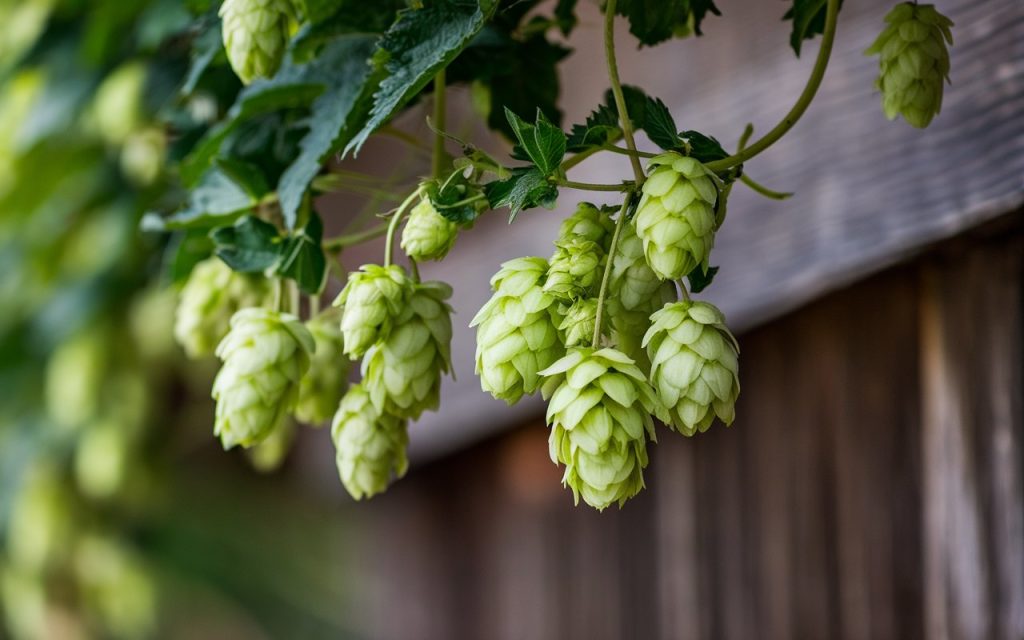
Benefits of Hops (Humulus Lupulus)
- Improves sleep quality: Hops are well-known for their ability to help with insomnia and promote better sleep, especially when used in combination with other sedative herbs like valerian root.
- Reduces anxiety and stress: The sedative properties of hops can also be helpful for managing stress and anxiety, providing a natural alternative to pharmaceutical sedatives.
- Digestive support: Hops stimulate the appetite and promote digestive health, making them useful for people with indigestion or loss of appetite.
- Anti-inflammatory effects: The α- and β-acids found in hops have anti-inflammatory properties, making them beneficial for conditions involving inflammation.
- Antimicrobial action: Hops’ antimicrobial compounds can inhibit bacterial growth, which may have future applications in natural remedies and food preservation.
- Menopausal support: Due to their phytoestrogen content, hops are sometimes used to alleviate symptoms of menopause, such as hot flashes and mood swings.
- Skin health: Hops’ antioxidant and antimicrobial properties make them useful in skincare, potentially helping with acne or skin infections.
Pros and Cons of Hops (Humulus Lupulus)
Pros:
- Natural sedative: Helps alleviate insomnia and sleep disturbances without the side effects of pharmaceutical drugs.
- Digestive benefits: Stimulates appetite and aids in digestion, useful for individuals with sluggish digestion.
- Antimicrobial properties: Offers potential for natural antimicrobial treatments and preservation, especially in the food industry.
- Menopausal relief: Contains phytoestrogens that may help ease menopausal symptoms.
- Antioxidant: Helps fight oxidative stress, supporting overall skin and health benefits.
Cons:
- Estrogenic effects: Due to its phytoestrogen content, hops may not be suitable for individuals with hormone-sensitive conditions, such as certain types of breast cancer.
- Drowsiness: While beneficial for sleep, hops can cause drowsiness or lethargy if taken in high doses or during the day.
- Potential for allergic reactions: Some people may experience allergic reactions to hops, particularly those with sensitivities to plants in the Cannabaceae family.
- Limited research on long-term use: While short-term use of hops is generally safe, there is limited research on the long-term effects of high-dose supplementation.
How do hops contribute to the flavor and aroma of beer
Hops contribute to the flavor and aroma of beer in several ways:
1. Bitterness: Hops contain alpha acids that are released during the brewing process. These alpha acids provide bitterness to balance out the sweetness of the malt in beer.
2. Aroma: Hops also contain essential oils that give beer its characteristic aroma. Different hop varieties can contribute floral, citrus, pine, or spicy notes to the beer.
3. Flavor: In addition to bitterness, hops can also add flavor to beer. Depending on when they are added during the brewing process, hops can contribute flavors such as grapefruit, pine, or herbal notes.
Overall, hops play a crucial role in balancing the sweetness of malt and adding complexity to the flavor profile of beer. Different hop varieties and brewing techniques can result in a wide range of flavors and aromas in beer.
Conclusion
Humulus lupulus serves multiple purposes beyond its primary role in brewing. Its medicinal applications range from sedative effects to antimicrobial properties, highlighting its importance in both traditional and contemporary herbal medicine. Further research may continue to uncover additional health benefits associated with this versatile plant.
Hops (Humulus lupulus) offer a wide range of benefits, from promoting better sleep and reducing anxiety to improving digestion and exhibiting antimicrobial effects. Traditionally used in both European and Native American medicine, hops have retained their medicinal relevance today, particularly in herbal formulations for sleep and stress. While they present many advantages, especially for individuals seeking natural alternatives to pharmaceuticals, it’s important to be aware of potential hormonal effects and to use hops in moderation, particularly for those with underlying health conditions. Overall, hops are a versatile plant with significant health benefits when used appropriately.
Citations:
[1] https://huh.harvard.edu/book/humulus-lupulus-l-or-hops
[2] https://www.sciencedirect.com/topics/agricultural-and-biological-sciences/humulus-lupulus
[3] https://www.minnesotawildflowers.info/flower/common-hops
[4] https://en.wikipedia.org/wiki/Hops
[5] https://en.wikipedia.org/wiki/Humulus_lupulus
[6] https://plants.ces.ncsu.edu/plants/humulus-lupulus/
[7] https://www.woodlandtrust.org.uk/trees-woods-and-wildlife/plants/wild-flowers/hop/
[8] https://uk.wikipedia.org/wiki/%D0%A5%D0%BC%D1%96%D0%BB%D1%8C_%D0%B7%D0%B2%D0%B8%D1%87%D0%B0%D0%B9%D0%BD%D0%B8%D0%B9