Horse chestnut (Aesculus hippocastanum) is a well-known tree with a long history of use in traditional medicine, skincare, and culture. It is especially valued for its potential in treating circulatory issues, and it has found a niche in modern cosmetic products.
Horse chestnut contains significant amounts of a poison called esculin and can cause death if eaten raw.
Let’s dive into the medicinal and cosmetic properties of horse chestnut, its identification, and its cultural significance.
A 2012 systematic review of 17 studies suggested that horse chestnut seed extract can improve symptoms of CVI. Results from one of these studies suggested that horse chestnut seed extract may be as effective as wearing compression stockings. (Horse Chestnut)
Common Names and Classification
Aesculus hippocastanum, commonly known as the horse chestnut, European horse chestnut, or conker tree, belongs to the family Sapindaceae. It is distinct from the edible sweet chestnut (Castanea sativa), which belongs to a different family.
Native Habitat and Distribution
This species is native to the Balkan Peninsula, including regions of Albania, Bulgaria, Greece, and North Macedonia, but has been widely introduced across Europe and North America. It thrives in moist, warm-temperate climates and is often found in urban areas such as parks and gardens[1][4].
Physical Characteristics
- – Size: Mature trees can reach heights of up to 39 meters (about 128 feet) and live for over 300 years[2][3].
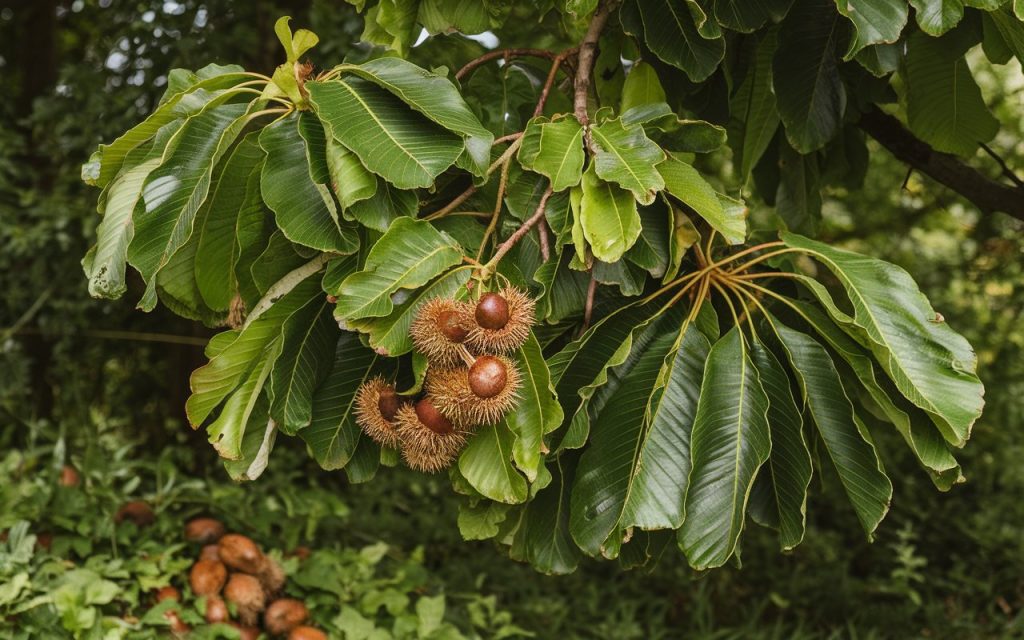
- – Leaves The leaves are palmate, typically consisting of 5-7 pointed, toothed leaflets that can spread up to 60 cm (24 inches) across[2][4].
- – Flowers: The tree produces showy white flowers with pinkish bases in erect panicles during late spring. Each flower cluster can contain 20-50 individual flowers[3][4].
- – Fruit: The fruit is a spiky capsule containing one to three glossy brown seeds known as conkers. These seeds are toxic if ingested raw but have medicinal properties when processed[1][2].
Ecological Importance
Horse chestnuts play a significant role in urban landscaping due to their aesthetic appeal and shade provision. However, they face numerous threats including:
- – Pests and Diseases: The horse chestnut leaf miner (*Cameraria ohridella*) causes significant defoliation, while other threats include fungal infections like bleeding canker and infestations by scale insects[2][4].
- – Environmental Stressors: Pollution, habitat destruction, and climate change are contributing to declining populations in their native habitats[1].
Medicinal Uses
The seeds and other parts of the horse chestnut have been used in traditional medicine for various ailments, particularly for conditions related to poor circulation. Extracts containing escin, derived from the seeds, are known for their venotonic properties, helping to improve blood flow and reduce swelling[1][2]. However, unprocessed seeds are toxic and should not be consumed directly.
Horse chestnut contains active compounds, the most notable being aescin (or escin), which has potent anti-inflammatory and vasoprotective effects. This makes it particularly useful in treating conditions related to venous insufficiency, where the veins in the legs struggle to return blood to the heart. Chronic venous insufficiency (CVI) and varicose veins are common examples of conditions where horse chestnut extract is frequently used.
Medicinal properties of horse chestnut include:
- Anti-inflammatory effects: Aescin has been shown to reduce inflammation, making it helpful in conditions like CVI, where inflammation of the veins can cause pain, swelling, and leg cramps.
- Vasoprotective: Aescin strengthens the walls of veins and capillaries, reducing fluid leakage and improving circulation. Research published in the Journal of Vascular Surgery highlights the efficacy of horse chestnut extract in reducing leg pain and edema caused by CVI .
- Antioxidant properties: Horse chestnut is rich in flavonoids, which help neutralize free radicals and protect against oxidative stress.
Due to its vascular benefits, horse chestnut is often found in supplements aimed at improving circulation, reducing swelling, and alleviating varicose veins.
What Is Horse Chestnut Extract Used For in Cosmetics?
In cosmetics, horse chestnut extract is valued for its ability to improve skin tone and texture by boosting microcirculation and reducing inflammation. It is commonly found in products aimed at combating puffiness, dark circles under the eyes, and other signs of aging.
Cosmetic uses of horse chestnut extract include:
- Anti-aging creams: The extract helps reduce skin sagging and dark circles by improving blood flow and reducing fluid retention in the skin.
- Eye creams: It’s often included in formulations to target puffiness and dark circles, as its anti-inflammatory properties reduce swelling.
- Cellulite treatments: Horse chestnut is sometimes used in products targeting cellulite due to its ability to enhance circulation and firm the skin.
A study published in Dermatology and Therapy supports the inclusion of aescin in skin-care products, noting its effectiveness in reducing swelling and improving skin appearance .
Can Horse Chestnut Be Used Topically?
Yes, horse chestnut can be used topically, and it is often found in gels, creams, and ointments designed to relieve leg pain, swelling, and varicose veins. Topical formulations are particularly popular for treating CVI, where they help reduce swelling and improve circulation directly at the affected site.
For example, horse chestnut gel is frequently recommended for people suffering from tired or swollen legs, providing a cooling effect that also aids in reducing inflammation and discomfort. It’s important to note that, like all topical treatments, it should be used according to instructions to avoid skin irritation, which can occur in rare cases.
Is Horse Chestnut Good for Skin?
Yes, horse chestnut extract is beneficial for the skin, especially when it comes to reducing inflammation and improving circulation. These properties make it an effective ingredient in treatments for puffiness, dark circles, and aging skin. The increased blood flow helps deliver nutrients and oxygen to skin cells, improving skin tone and radiance.
Additionally, its anti-inflammatory and antioxidant effects help soothe irritated skin and protect against environmental damage, making it a valuable ingredient in products for sensitive or reactive skin.
Is Horse Chestnut Good for Your Hair?
Horse chestnut extract is gaining recognition in haircare due to its circulatory benefits, which can improve scalp health and potentially promote hair growth. By improving blood flow to the scalp, it ensures that hair follicles receive sufficient nutrients and oxygen, supporting healthy hair growth.
While more research is needed on the direct effects of horse chestnut on hair growth, its inclusion in shampoos and scalp treatments is increasing, particularly in products aimed at addressing thinning hair or scalp inflammation.
Popular Horse Chestnut Supplements Overview
| Name | Rating | Price |
|---|---|---|
| Life Extension, Venotone, Standardized Horse Chestnut, 60 Capsules | 4.8 (1,030 reviews) | $14.25 |
| Nature’s Way, Horse Chestnut, Premium Extract, 250 mg, 90 Vegan Capsules | 4.7 (2,757 reviews) | $9.53 |
| NOW Foods, Horse Chestnut, 300 mg, 90 Veg Capsules | 4.6 (1,144 reviews) | $11.62 |
Here are three popular horse chestnut supplements available on iHerb, each known for their unique formulations, user ratings, and prices. These products are commonly used for promoting circulation, reducing varicose veins, and other health benefits linked to horse chestnut extract.
-
Life Extension, Venotone, Standardized Horse Chestnut, 60 Capsules
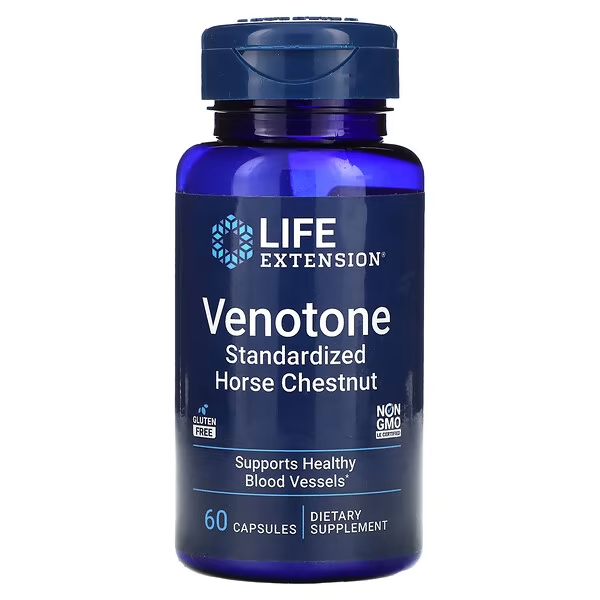
- Rating: 4.8/5 (1,030 reviews)
- Price: $14.25
- Serving Size: 1 capsule
- Amount Per Serving: 250 mg Horse Chestnut extract (seed), standardized to 20% (50 mg) triterpene glycosides calculated as escin.
- Buy: Buy at iHerb
-
Nature’s Way, Horse Chestnut, Premium Extract, 250 mg, 90 Vegan Capsules
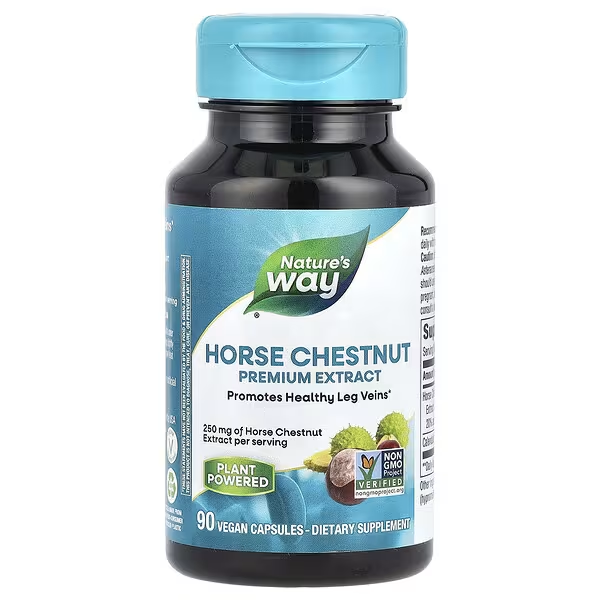
- Rating: 4.7/5 (2,757 reviews)
- Price: $9.53
- Serving Size: 1 capsule twice daily
- Amount Per Serving: 250 mg Horse Chestnut Extract, free from wheat, soy, dairy, gelatin, or artificial colors and flavors.
- Buy: Buy at iHerb
-
NOW Foods, Horse Chestnut, 300 mg, 90 Veg Capsules
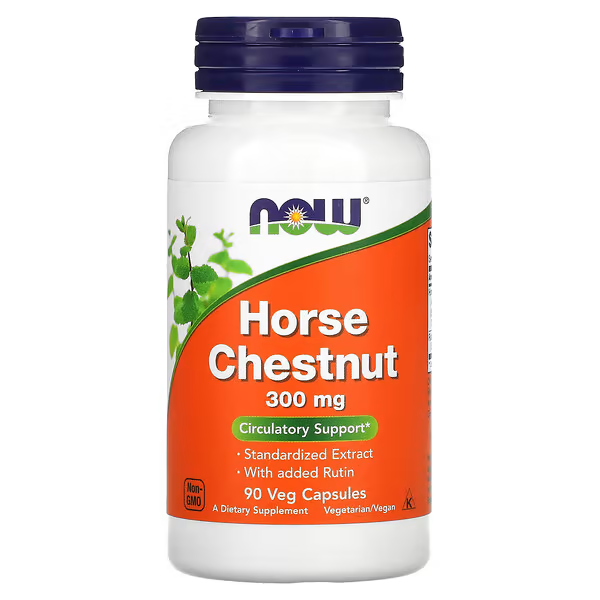
- Rating: 4.6/5 (1,144 reviews)
- Price: $11.62
- Serving Size: 1 capsule
- Amount Per Serving: 300 mg Horse Chestnut Extract (seed/fruit) standardized to 20% (60 mg) Triterpenoid saponins as Aescin, plus 200 mg Rutin Powder (Sophora japonica).
- Buy: Buy at iHerb
Each of these supplements offers varying strengths of horse chestnut extract and additional benefits such as vegan capsules or inclusion of other ingredients like Rutin. Choose the one that fits your needs, and click on the links to buy them directly from iHerb.
How to Use Horse chestnut at home?
Horse chestnut (Aesculus hippocastanum) is commonly used for circulatory issues like varicose veins and chronic venous insufficiency (CVI). It has anti-inflammatory, vasoprotective, and antioxidant properties, making it a useful home remedy for improving blood flow and reducing swelling. Below are simple, step-by-step recipes to use horse chestnut at home safely.
1. Horse Chestnut Gel for Varicose Veins and Leg Swelling
Horse chestnut gel is one of the most popular home remedies for improving circulation in the legs and reducing swelling, pain, and the appearance of varicose veins.
Ingredients:
- 2 tablespoons of horse chestnut extract (available at health stores)
- 1 tablespoon of aloe vera gel
- 10 drops of essential oil (lavender or peppermint for cooling and soothing effects)
Steps:
- In a clean bowl, combine 2 tablespoons of horse chestnut extract with 1 tablespoon of aloe vera gel. Aloe vera helps soothe the skin and provides a good base for the gel.
- Add 10 drops of essential oil for added fragrance and cooling effects.
- Mix the ingredients well until they form a smooth gel.
- Apply the gel to the affected area (e.g., varicose veins or swollen legs) twice a day. Gently massage in upward strokes to stimulate circulation.
- Store the gel in a glass jar with a lid, and keep it in the fridge for up to two weeks.
Note: Always do a patch test on your skin to ensure there’s no allergic reaction.
2. Horse Chestnut Tea for Circulatory Support
Drinking horse chestnut tea can help improve blood circulation and reduce inflammation. However, it’s crucial to use processed or commercially prepared horse chestnut products, as raw seeds contain toxic compounds that can be harmful.
Ingredients:
- 1 teaspoon of dried horse chestnut bark (or tea bags with standardized horse chestnut extract)
- 1 cup of boiling water
- Honey or lemon (optional)
Steps:
- Boil 1 cup of water and pour it over 1 teaspoon of dried horse chestnut bark or a tea bag with horse chestnut extract.
- Let it steep for 10-15 minutes.
- Strain the tea (if using loose bark) and add honey or lemon for taste if desired.
- Drink 1-2 cups a day, preferably with meals, to improve circulation and reduce swelling.
Caution: Avoid drinking more than the recommended amount as excessive consumption may lead to digestive discomfort.
3. Horse Chestnut Oil for Massage Therapy
Horse chestnut oil can be used for massaging areas affected by varicose veins or swollen joints. The anti-inflammatory and vasoprotective properties help ease discomfort and support blood flow.
Ingredients:
- 100 ml of carrier oil (e.g., coconut oil or olive oil)
- 1 tablespoon of horse chestnut extract
- 5-10 drops of essential oil (eucalyptus or lavender)
Steps:
- Warm the carrier oil in a double boiler until it reaches a slightly warm temperature.
- Add 1 tablespoon of horse chestnut extract and stir thoroughly.
- For fragrance and added benefits, include 5-10 drops of essential oil such as eucalyptus (for anti-inflammatory properties) or lavender (for calming effects).
- Massage the oil mixture onto swollen areas or varicose veins using circular motions for 10-15 minutes.
- Repeat once or twice daily as needed.
Tip: Store the oil in a dark glass bottle and keep it in a cool place to maintain its potency.
4. Horse Chestnut Tincture for Varicose Veins and Hemorrhoids
A horse chestnut tincture is another effective way to use the plant for circulatory issues. This recipe can be used for both internal consumption (in small doses) and external application.
Ingredients:
- 2 tablespoons of dried horse chestnut seeds or bark
- 200 ml of high-proof alcohol (vodka or brandy)
Steps:
- Crush or chop the dried horse chestnut seeds or bark.
- Place the horse chestnut in a glass jar and pour 200 ml of high-proof alcohol over it. Make sure the alcohol completely covers the herbs.
- Seal the jar and shake it daily for 2-4 weeks to allow the compounds to infuse the alcohol.
- After 2-4 weeks, strain the mixture through a cheesecloth into a clean jar.
- For internal use, take 10-15 drops diluted in water 1-2 times daily to help with circulation.
- For external use, apply the tincture with a cotton ball to varicose veins or hemorrhoids once a day.
Caution: Internal use of horse chestnut tincture should be limited to 1-2 drops at a time, as high doses can be toxic.
5. Horse Chestnut Poultice for Joint Inflammation and Swelling
A poultice can be made from horse chestnut to reduce inflammation in joints and to soothe sore muscles.
Ingredients:
- 2 tablespoons of dried horse chestnut bark or seeds (crushed)
- 1 cup of water
- Gauze or cloth
Steps:
- Boil 1 cup of water and pour it over 2 tablespoons of dried horse chestnut bark or seeds.
- Let the mixture steep for about 15 minutes, then strain to remove the solids.
- Soak a piece of gauze or cloth in the liquid.
- Apply the soaked cloth directly to the inflamed area (e.g., joints, varicose veins).
- Leave it on for 20-30 minutes, then rinse the area with warm water.
- Repeat once daily for best results.
Horse Chestnut for Hair and Cosmetics
6. Horse Chestnut Hair Rinse for Strengthening and Reducing Hair Loss
Horse chestnut is rich in antioxidants and compounds that help improve blood circulation to the scalp, which can promote hair growth and strengthen hair follicles, making it an effective ingredient in hair care.
Ingredients:
- 2 tablespoons of dried horse chestnut bark or seeds
- 2 cups of water
- 1 tablespoon of apple cider vinegar (optional for pH balance)
Steps:
- Boil 2 cups of water and add 2 tablespoons of dried horse chestnut bark or seeds.
- Let the mixture simmer for about 15-20 minutes, then remove from heat and allow it to cool.
- Strain the liquid into a clean container and add 1 tablespoon of apple cider vinegar (optional) to balance the pH and add shine to the hair.
- After shampooing, use this rinse as the final step by pouring it over your hair, focusing on the scalp.
- Massage the rinse into your scalp for a few minutes, then leave it on for 5-10 minutes before rinsing with cool water.
- Use this treatment once or twice a week to promote hair strength and reduce hair loss.
7. Horse Chestnut Face Cream for Anti-Aging and Skin Firming
Horse chestnut contains compounds such as aescin, which helps to tone and firm the skin, reduce inflammation, and improve microcirculation, making it an excellent addition to homemade skincare products for anti-aging benefits.
Ingredients:
- 1 tablespoon of horse chestnut extract
- 2 tablespoons of shea butter
- 1 tablespoon of almond oil (or another carrier oil)
- 5 drops of rosehip oil (optional, for anti-aging benefits)
- 5 drops of vitamin E oil (for skin nourishment)
Steps:
- In a double boiler, melt 2 tablespoons of shea butter with 1 tablespoon of almond oil over low heat until fully liquified.
- Remove the mixture from heat and allow it to cool slightly before adding 1 tablespoon of horse chestnut extract.
- Stir in 5 drops of rosehip oil and 5 drops of vitamin E oil for additional anti-aging and skin-nourishing properties.
- Transfer the mixture to a clean glass jar and let it solidify at room temperature or in the fridge.
- Apply the cream to your face and neck daily, particularly focusing on areas prone to sagging or fine lines.
- Store the cream in a cool, dark place, and use it within 2 months.
How Can I Identify a Horse Chestnut Tree in Winter?
Identifying a horse chestnut tree in winter can be challenging due to the lack of leaves, but several key features can help:
- Bark: The bark of the horse chestnut is rough and develops deep fissures with age, often becoming grayish-brown.
- Twigs: The twigs are thick and have a distinctive reddish-brown hue. They also have large, sticky buds during winter.
- Buds: The tree’s terminal buds are large, shiny, and sticky, often brown or reddish-brown in color. These buds are a key identifier in the winter months.
In the absence of leaves and flowers, these characteristics can help you distinguish a horse chestnut tree during colder months.
What Are the Main Threats to Horse Chestnut Populations?
Horse chestnut populations face several environmental threats, most notably:
- Leaf miner moth (Cameraria ohridella): This insect bores into the leaves, causing them to brown prematurely and reducing the tree’s ability to photosynthesize, which can weaken the tree over time.
- Bleeding canker (Pseudomonas syringae): This bacterial disease causes lesions on the bark, leading to bleeding sap and, in severe cases, can kill the tree.
These factors have led to a decline in horse chestnut populations in certain regions, especially in Europe, where the leaf miner moth has become widespread.
How Long Do Horse Chestnut Trees Typically Live?
Horse chestnut trees can live for several centuries under the right conditions. While their typical lifespan is around 200-300 years, environmental stressors like disease or pest infestations can reduce their longevity.
In some cases, older horse chestnut trees may suffer from rot or fungal infections, which can limit their lifespan. Nevertheless, in ideal environments, these trees can thrive for many generations, providing shade and beauty in urban and rural landscapes.
What Is the Significance of Conkers in Horse Chestnut Culture?
Conkers, the glossy brown seeds of the horse chestnut tree, hold cultural significance in several parts of the world, particularly in the UK. The game of “conkers,” played by stringing the seeds and attempting to break an opponent’s conker, has been a popular pastime for children for over a century.
Cultural significance of conkers:
- Traditional children’s game: The game of conkers dates back to at least the 19th century and remains a nostalgic activity in many communities.
- Symbol of autumn: Conkers are often collected by families during the fall season, symbolizing the arrival of autumn and the natural beauty of the season.
Though the popularity of the game has waned in recent years, conkers remain an enduring symbol of childhood and autumn traditions.
Conclusion
Horse chestnut offers a wealth of medicinal and cosmetic benefits, particularly for improving circulation, reducing inflammation, and promoting skin health. Its extract is used in a variety of skincare and haircare products, and it can be applied topically to alleviate symptoms of venous insufficiency. While identifying the tree in winter can be tricky, key features like its sticky buds help. However, threats such as pests and diseases are impacting its populations globally. Additionally, conkers hold a special place in cultural traditions, especially in the UK, where they are a symbol of autumn and childhood games.
Aesculus hippocastanum is a notable tree species with significant ecological and medicinal value. Its popularity in urban environments contrasts with its declining natural populations due to various environmental pressures. Conservation efforts are essential to protect this tree’s future in its native habitats.
Citations:
[1] https://forest.jrc.ec.europa.eu/media/atlas/Aesculus_hippocastanum.pdf
[2] https://www.woodlandtrust.org.uk/trees-woods-and-wildlife/british-trees/a-z-of-british-trees/horse-chestnut/
[3] https://mortonarb.org/plant-and-protect/trees-and-plants/horse-chestnut/
[4] https://en.wikipedia.org/wiki/Aesculus_hippocastanum
[5] https://en.wikipedia.org/wiki/Aesculus_hippocastanum
[6] https://www.dr.hauschka.com/ru_RU/knowledge-base/medicinal-plant-facts/horse-chestnut/
[7] https://www.researchgate.net/publication/346893769_FLAVONOIDS_FROM_THE_BUDS_OF_THE_HORSE_CHESTNUT_AESCULUS_HIPPOCASTANUM_L
[8] https://www.sciencedirect.com/topics/pharmacology-toxicology-and-pharmaceutical-science/aesculus-hippocastanum