Horsetail, scientifically known as Equisetum arvense, is a perennial plant recognized for its high silica content, which can constitute up to 25% of its dry weight. This remarkable concentration makes horsetail a significant source of silica, a mineral essential for various biological functions.
Horsetail (Equisetum arvense) has been valued for its high silica content and diverse health benefits for centuries. From promoting hair growth to aiding plant health, it’s a potent, natural source of this essential mineral. In this article, we’ll explore its uses, how it compares to bamboo silica, and its applications in both human health and agriculture.
Composition and Benefits Silica Content
- Horsetail contains various beneficial compounds, with silica being the most prominent. Its silica content contributes to the plant’s potential health benefits, particularly in promoting bone health and enhancing skin, hair, and nail conditions.
- The plant’s silica is primarily present in the form of ortho-silicic acid, which is crucial for plant growth and resilience against environmental stressors.
Horsetail Silica Benefits
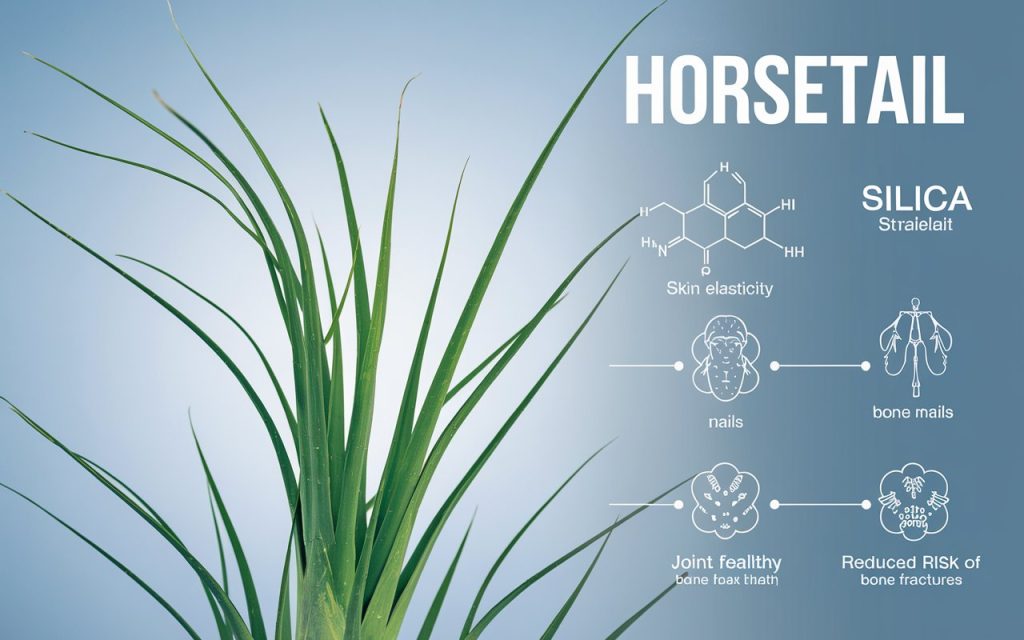
Horsetail is known for its high silica content, which has several health benefits. Silica plays a key role in collagen formation, supporting skin elasticity, and improving hair, nails, and bone health. Studies suggest that silica supplementation can improve joint flexibility and reduce the risk of bone fractures, especially in older adultsple**: Research from The Journal of Trace Elements in Medicine and Biology found that dietary silica improved bone density in postmenopausal women, particularly when sourced from plants like horsetail .
Health Benefits
- Bone Health: The high silica content in horsetail is believed to aid in bone remodeling and density, making it beneficial for conditions like osteoporosis.
- Skin and Hair: Silica enhances collagen synthesis, improving skin elasticity and promoting hair growth by reducing loss and increasing shine.
- Diuretic Properties: Horsetail has been noted for its diuretic effects, helping in the management of urinary conditions.
Forms of Consumption
Horsetail can be consumed in various forms:
- Tea: Made by steeping dried horsetail in hot water.
- Capsules: Concentrated extracts for easier dosage.
- Tinctures: Liquid extracts that can be taken directly or added to beverages.
Applications in Agriculture
Horsetail is also utilized in agriculture due to its antifungal properties. It can be used as a natural pesticide to combat fungal diseases in crops, thanks to its mineral-rich composition that strengthens plant cell walls.
Horstail Silica Supplement
Horsetail is often available in supplement form, including capsules, powders, and liquid extracts. These supplements are commonly used to support hair growth, improve nail strength, and enhance skin texture by boosting collagen production.
Dosage: A typical dosage of horsetail extract is 300-900 mg daily, but it’s always best to consult with a healthcare provider for personalized recommendations.
Caution: Horsetail contains thiaminase, an enzyme that can break down vitamin B1, so long-term use without breaks may lead to a vitamin B1 deficiency. Additionally, it is not recommended for those with kidney disease due to its diuretic effect .
Silica Horseair Growth
The high silica content in horsetail is believed to strengthen hair strands and promote growth by improving collagen production and increasing scalp circulation. Anecdotal evidence, as well as studies, have pointed toward its efficacy in making hair shinier and more resilient .
Example: A study published irnal of Clinical and Aesthetic Dermatology* found that individuals taking silica-based supplements, including horsetail, experienced significant improvements in hair thickness and reduced hair loss over six months .
Horsetail and Cancer
There’ete evidence supporting the use of horsetail for cancer treatment. Some studies have explored its antioxidant properties, which could potentially help protect cells from oxidative stress, a contributor to cancer development. However, these effects have not been proven to prevent or treat cancer in humans. It’s important to rely on proven cancer treatments and discuss any supplement use with a healthcare provider.
Horsetail Tea – How to Take
Horsetail tea is a popular way to consume this herb for its diuretic and silica content benefits. To make horsetail tea, steep 2-3 grams of dried horsetail in boiling water for 10-15 minutes. You can drink it up to three times daily, but it’s essential to limit its use to avoid potential side effects such as thiamine depletion or kidney irritation.
Example: Drinking horsetail tea for skin health or urinary tract health is a traditional remedy, but modern users should limit consumption to 6 weeks or less to avoid complications.
Healing Properties of Horsetail
1. Bone Health
Horsetail is particularly beneficial for bone health due to its high silica content, which can enhance collagen synthesis and improve calcium absorption. Research indicates that horsetail may inhibit osteoclasts (cells that break down bone) and stimulate osteoblasts (cells that build bone), making it potentially useful in preventing osteoporosis and aiding bone healing after fractures. Clinical studies have shown that incorporating horsetail into the diet can lead to quicker healing of fractured bones and a reduced incidence of osteoporosis.
2. Skin, Hair, and Nail Enhancement
The silica in horsetail contributes to improved skin elasticity and hydration, making it effective in enhancing the appearance of skin. It also strengthens hair and nails, reducing brittleness and promoting growth. The anti-inflammatory and antioxidant properties of horsetail help combat free radical damage, further supporting skin health.
3. Diuretic Effects
Horsetail acts as a natural diuretic, helping to eliminate excess fluid from the body. This property is beneficial for treating conditions like fluid retention and urinary tract infections by promoting urine production and flushing out bacteria. Studies have shown that horsetail’s diuretic effect can be more potent than some pharmaceutical diuretics without significant side effects.
4. Wound Healing
Research supports the use of horsetail in wound healing. Its application in ointments has been shown to promote healing in various types of wounds, including diabetic ulcers and surgical incisions. The presence of silica is believed to play a crucial role in collagen synthesis, which is essential for tissue repair.
5. Antimicrobial Properties
Horsetail has demonstrated antimicrobial effects against various bacteria and fungi, including Staphylococcus aureus and Candida albicans. This makes it potentially useful for treating infections and enhancing overall immune function.
6. Anti-inflammatory Effects
The anti-inflammatory properties of horsetail may help alleviate conditions such as arthritis by modulating immune responses. Studies indicate that horsetail can inhibit lymphocyte activation, which plays a role in inflammatory diseases.
7. Weight Management
Due to its diuretic properties and ability to promote detoxification, horsetail may assist in weight loss efforts by reducing water retention and supporting metabolic processes
How to Use Horsetail?
| Use Case | Who Should Use | Form of Horsetail | Dosage/How to Use |
|---|
| Hair Growth & Strength | Individuals with thinning hair or brittle hair | Capsules, Oil, Shampoo | 300-500 mg of horsetail extract daily (capsules) or massage a few drops of horsetail oil into scalp 2-3 times a week. |
| Skin Health & Elasticity | People looking to improve skin texture and elasticity | Cream, Capsules, Tea | Apply cream twice daily or take 300-900 mg capsules daily. Horsetail tea: 2-3 cups/day for up to 6 weeks. |
| Nail Strength | Those with brittle or weak nails | Capsules, Cream | 300-500 mg of horsetail extract daily (capsules) or apply cream twice daily to nails. |
| Joint & Bone Health | Elderly adults or those at risk of osteoporosis | Capsules, Tea | 300-900 mg of horsetail extract daily. Horsetail tea: 2-3 cups/day for up to 6 weeks. |
| Urinary Tract Health | People with mild UTIs or seeking diuretic effects | Tea, Capsules | 300-500 mg of horsetail extract daily or 2-3 cups of tea per day. Limit use to 6 weeks. |
| Wound Healing | Individuals with minor wounds or skin irritation | Topical Compress, Cream | Apply horsetail compress or cream to affected area 2-3 times daily. |
| Fungal Skin Conditions | People with fungal infections on skin or nails | Oil, Cream | Apply oil or cream directly to affected area 2-3 times daily. |
| Plant Health (Organic Gardening) | Gardeners treating plants for fungal infections or pests | Horsetail Spray (DIY) | Steep dried horsetail in boiling water, spray onto plants every 2-3 weeks. |
How Does Silica from Horsetail Benefit?
Silica from horsetail benefits plants by strengthening their cell walls, making them more resistant to disease, pests, and environmental stress. Studies have shown that applying silica-rich solutions to crops can increase their resistance to fungal diseases and enhance overall plant vigor .
Best Ways to Use Horsetail as Insect Repellent
Can act as a natural insect repellent due to its silica content and certain bioactive compounds that deter pests. One effective method is to create a horsetail spray by steeping dried horsetail in water, then straining and applying the liquid directly to plants to ward off insects like aphids.
Can Horsetail Be Used to Treat Fungal Diseases in Plants?
Yes, horsetail is commonly used in organic gardening to treat fungal diseases like powdery mildew and rust. Its high silica content strengthens plant cell walls, making them less susceptible to fungal infections. Horsetail spray can be made by boiling horsetail in water and applying it to affected plants every 2-3 weeks as a preventative measure .
How Does the Silica Content in Horsetail Compare to Other
While bamboo is the most silica-rich plant (up to 70%), horsetail is among the top silica sources, providing around 5-10% silica content. Despite its lower concentration compared to bamboo, horsetail’s historical use in traditional medicine and its combination with other minerals make it a preferred source for holistic health benefits .
Horsetail Silica vs. Bamboo Silica
While both horsetail and bamboo are excellent plant-based sources of silica, bamboo contains a much higher concentration of silica (up to 70% compared to horsetail’s 5-10%). However, horsetail contains a broader array of other minerals, including potassium and manganese, which may offer additional health benefits. If you’re specifically looking for silica to support hair or skin, bamboo might be more potent. However, for more well-rounded mineral support, horsetail is a valuable option.
Example: According to a review in the Journal of Ethnopharmacology, horsetail’s combination of silica with other trace elements makes it a balanced supplement for both hair and skin health, whereas bamboo is often more concentrated in pure silica .
Historical Uses of Horsetail in Medicine
Historically, horsetail sed for a variety of medicinal purposes, including treating wounds, ulcers, and kidney issues due to its diuretic properties. It was also a popular remedy for tuberculosis in ancient Greece. Modern herbalists continue to use horsetail for its diuretic and anti-inflammatory effects, especially in conditions like arthritis and bladder infections .
Conclusion: Horsetail’s silica-rich content offers a wide range of health beneair growth and skin health to supporting plant resilience. While it may not be the richest source of silica compared to bamboo, its unique blend of minerals makes it a valuable supplement for holistic well-being.