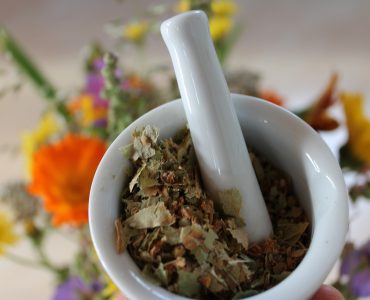
Hypericum, commonly known as St. John’s Wort, is a well-known herb with a rich history of medicinal use. Its various forms and applications make it a versatile remedy in both herbal and conventional medicine. This guide provides a comprehensive overview of Hypericum, including its origins, medicinal properties, and practical uses.
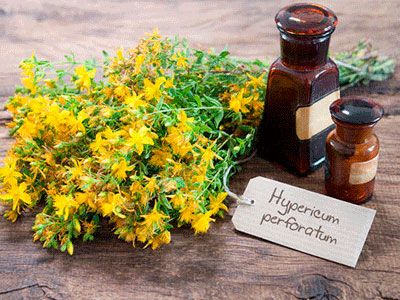
Hypericum, scientifically known as Hypericum perforatum, is a flowering plant commonly referred to as St. John’s Wort. It is renowned for its therapeutic properties and is used in various forms for treating a range of conditions. Common names are:
- St. John’s Wort
- Hypericum
- Kava Kava (though this name is sometimes confused with another herb)
Hypericum is native to Europe but has spread to other parts of the world, including North America and Asia. It typically grows in sunny, well-drained areas and is often found in meadows and open woodlands.
What Are Its Traditional Uses?
Historically, Hypericum has been used for:
- Wound Healing: Applied topically to speed up the healing of cuts and bruises.
- Mood Disorders: Used to alleviate symptoms of depression and anxiety.
- Nerve Pain: Treated conditions like sciatica and neuralgia.
What Are Its Medicinal Properties?
Hypericum is valued for several medicinal properties:
- Antidepressant: Helps improve mood and alleviate symptoms of depression.
- Anti-inflammatory: Reduces inflammation and promotes healing.
- Antiviral: Possesses properties that can combat certain viral infections.
- Analgesic: Provides pain relief, especially for nerve-related pain.
How Does It Work in the Body?
Hypericum works through several mechanisms:
- Serotonin Regulation: It increases levels of serotonin, a neurotransmitter associated with mood regulation, thus helping to alleviate depression.
- Anti-inflammatory Action: Reduces inflammation by inhibiting the production of inflammatory substances in the body.
- Nerve Protection: Helps in healing nerve damage and reducing pain through its analgesic properties.
What Conditions is It Commonly Used to Treat?
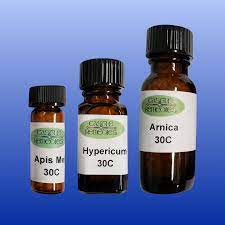
Hypericum is commonly used for:
- Depression: Particularly mild to moderate depression.
- Anxiety: Alleviates symptoms of anxiety and stress.
- Nerve Pain: Effective for conditions like sciatica, neuralgia, and other nerve-related pains.
- Wound Care: Helps in the healing of minor wounds, cuts, and bruises.
What Are Its Therapeutic Actions?
The therapeutic actions of Hypericum include:
- Mood Enhancement: Helps to improve mood and emotional well-being.
- Pain Relief: Provides relief from nerve pain and other types of discomfort.
- Wound Healing: Supports faster recovery and reduces the risk of infection in wounds.
How is Hypericum Used? (e.g., Orally, Topically, Homeopathically)
| Use | Description |
|---|
| Depression and Anxiety | Helps alleviate symptoms of mild to moderate depression and anxiety. |
| Pain Management | Effective for managing nerve pain and sciatica. |
| Wound Healing | Supports healing of minor wounds, cuts, and bruises. |
Hypericum can be used in various forms:
- Orally: Taken as a supplement in capsule, tablet, or liquid form for mood disorders and depression.
- Topically: Applied as an oil or cream to the skin to treat wounds, bruises, and inflammation.
- Homeopathically: Available as a remedy in various potencies for specific symptoms, such as nerve pain and emotional distress.
What Are Its Common Uses in Herbal Medicine?
In herbal medicine, Hypericum is commonly used for:
- Depression and Anxiety: As a natural alternative to antidepressant medications.
- Pain Management: For conditions like sciatica and neuropathic pain.
- Skin Care: To treat minor wounds and skin inflammation.
What Are Its Uses in Conventional Medicine?
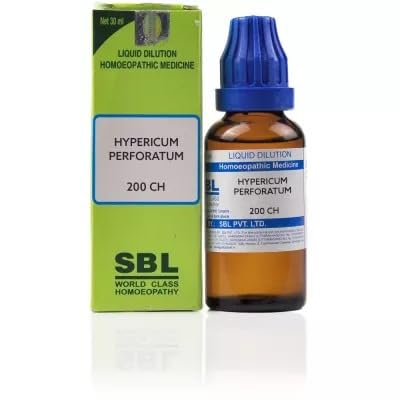
In conventional medicine, Hypericum is primarily used:
- As an Antidepressant: Many clinical studies have supported its effectiveness in treating mild to moderate depression.
- For Pain Relief: Used for its analgesic properties in managing nerve pain and related conditions.
What Are Its Potential Benefits in Various Health Conditions?
The potential benefits of Hypericum include:
- Improved Mood: Effective in reducing symptoms of depression and anxiety.
- Enhanced Healing: Promotes faster recovery of wounds and reduces inflammation.
- Pain Relief: Provides effective relief from nerve pain and other chronic pain conditions.
Potential side Effects to consider
| Side Effect | Description | Frequency |
|---|
| Gastrointestinal Issues | Possible nausea, diarrhea, or abdominal discomfort. | Uncommon |
| Photosensitivity | Increased sensitivity to sunlight, potentially causing sunburn. | Rare |
| Interactions with Medications | May interact with antidepressants, birth control pills, and blood thinners. | Possible |
Are There Any Precautions or Contraindications?
Yes, there are several precautions and contraindications associated with Hypericum (St. John’s Wort):
- Photosensitivity: Hypericum may increase sensitivity to sunlight, leading to a higher risk of sunburn. Users should avoid prolonged sun exposure or use sunscreen while taking Hypericum.
- Drug Interactions: Hypericum can interact with various medications, including antidepressants (particularly SSRIs and MAOIs), blood thinners (like warfarin), birth control pills, and certain HIV medications. These interactions may reduce the effectiveness of these drugs or increase the risk of side effects.
- Pregnancy and Breastfeeding: The safety of Hypericum during pregnancy and breastfeeding is not well-established. It is generally advised to avoid its use during these periods unless specifically recommended by a healthcare provider.
- Mental Health Conditions: Individuals with bipolar disorder should exercise caution as Hypericum may exacerbate manic episodes or interfere with mood stabilization.
When Should One Consult a Healthcare Professional Before Using Hypericum?
Consult a healthcare professional before using Hypericum if you:
- Are on Prescription Medications: Especially if taking antidepressants, anticoagulants, or oral contraceptives, due to potential drug interactions.
- Have a Chronic Health Condition: Such as depression, bipolar disorder, or a liver condition, to ensure Hypericum is suitable for your situation.
- Are Pregnant or Breastfeeding: To discuss potential risks and benefits.
- Are Considering Long-Term Use: To establish appropriate dosage and monitor for possible side effects.
What is the Scientific Evidence Supporting the Use of Hypericum?
Scientific evidence supports the use of Hypericum, particularly for treating mild to moderate depression. Key findings include:
- Clinical Trials: Numerous studies have shown that Hypericum can be as effective as conventional antidepressants for treating mild to moderate depression. For example, a meta-analysis published in The British Medical Journal found Hypericum to be significantly more effective than a placebo and comparable to standard antidepressant medications.
- Systematic Reviews: Reviews of multiple studies confirm its efficacy in improving mood and reducing symptoms of depression with fewer side effects compared to pharmaceutical antidepressants.
Are There Any Clinical Trials or Studies That Have Investigated Its Efficacy?
Yes, several clinical trials and studies have investigated Hypericum’s efficacy:
- A 2009 Meta-Analysis: Published in The Cochrane Database of Systematic Reviews, this analysis reviewed 29 trials involving over 5,000 participants, concluding that Hypericum was effective in reducing depression symptoms.
- A 2016 Study: Published in The Journal of Clinical Psychiatry, this study compared Hypericum to placebo and found it to be as effective as conventional antidepressants for treating mild to moderate depression, with a lower incidence of side effects.
How Does Hypericum Compare to Other Similar Remedies or Medications?
Hypericum compares favorably to other remedies and medications in several ways:
- Effectiveness: Similar to some prescription antidepressants for mild to moderate depression, but with fewer side effects.
- Safety Profile: Generally considered safer than some antidepressants, with a lower risk of serious side effects but still potential for interactions.
- Natural Remedy: As a herbal remedy, Hypericum offers a natural alternative to synthetic medications, appealing to those preferring natural treatments.
However, it may be less effective for severe depression and might not address all symptoms as comprehensively as some prescription medications.
What Are the Advantages and Disadvantages of Using Hypericum Over Other Options?
Advantages:
- Natural Remedy: Offers a natural alternative to synthetic antidepressants.
- Fewer Side Effects: Generally has a milder side effect profile compared to conventional antidepressants.
- Accessibility: Often available over-the-counter and can be a cost-effective option.
Disadvantages:
- Drug Interactions: Can interact with various medications, potentially reducing their effectiveness or causing adverse effects.
- Limited for Severe Cases: May not be as effective for severe depression compared to prescription medications.
- Varied Response: Individual responses to Hypericum can vary, and it may not work for everyone.
What is the Typical Dosage of Hypericum?
The typical dosage of Hypericum can vary based on the form and concentration:
- Standardized Extracts: For mild to moderate depression, a common dose is 300 mg of a standardized extract (containing 0.3% hypericin) taken three times daily.
- Tinctures: Typically, 20-40 drops of a tincture, taken three times daily.
- Capsules/Tablets: Often available in 300 mg capsules, taken two to three times daily.
Always follow the dosage instructions on the product label or as advised by a healthcare provider.
Are There Any Specific Guidelines or Recommendations for Dosage?
Yes, specific guidelines include:
- Consistency: Take Hypericum at regular intervals to maintain a steady level in your system.
- Follow Label Instructions: Adhere to the dosage recommendations provided by the manufacturer.
- Monitor Effects: Start with a lower dose and gradually increase if necessary, while monitoring for any adverse effects or interactions.
Have There Been Any Personal Experiences or Testimonials Shared About the Effectiveness of Hypericum?
Many personal experiences and testimonials suggest positive outcomes:
- Improved Mood: Users often report significant improvements in mood and reduction in symptoms of depression.
- Effective Pain Relief: Some individuals have found Hypericum effective for managing nerve pain and other chronic discomforts.
- Faster Wound Healing: Topical applications of Hypericum are frequently praised for aiding in the healing of minor wounds and bruises.
However, responses can vary, and it is important to consider individual experiences alongside scientific evidence when evaluating the effectiveness of Hypericum.
Conclusion
Hypericum, or St. John’s Wort, is a valuable herb with a wide range of applications in both herbal and conventional medicine. From enhancing mood and alleviating pain to promoting wound healing, its therapeutic properties are well-supported. However, as with any remedy, it should be used according to guidelines and under the advice of a healthcare provider to ensure safety and effectiveness.