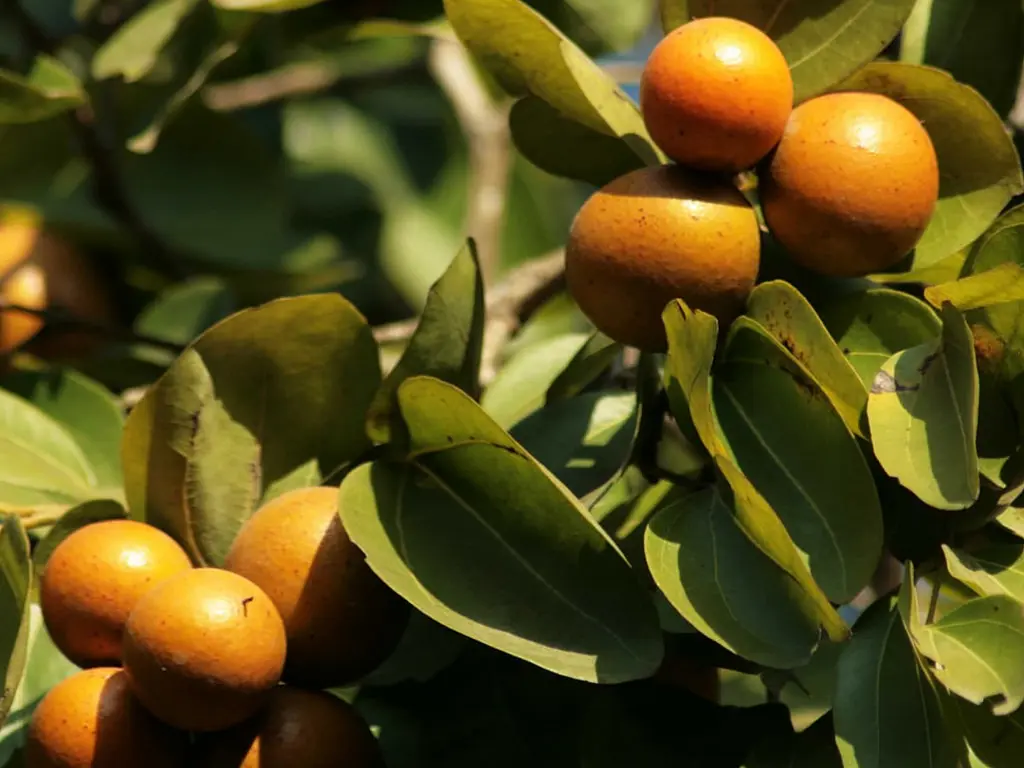
Ignatia Amara, commonly referred to as Ignatia, is a homeopathic remedy derived from the seeds of the St. Ignatius bean (Strychnos ignatii). It is often used for emotional distress, particularly anxiety, grief, and stress. This guide covers its uses, how it works, and common questions surrounding its benefits and dosage.
What is the Use of Ignatia?
Ignatia is primarily used in homeopathy to address emotional imbalances and distress. The remedy is often recommended for people experiencing:
- Anxiety: Ignatia is frequently used to alleviate symptoms of anxiety, particularly when it is linked to grief or emotional trauma.
- Grief and Sadness: It’s commonly prescribed for individuals coping with loss or heartache, as it is believed to help balance intense emotions.
- Nervous Tension: Ignatia is used to reduce physical symptoms of stress, such as tension headaches, digestive upset, or nervous tremors.
Is Ignatia Good for Sleep?
Yes, Ignatia can be helpful for sleep disturbances, especially when sleeplessness is related to emotional turmoil. Many individuals who experience insomnia due to overthinking, grief, or stress have reported relief after taking Ignatia. It helps by calming the mind and easing emotional tension, making it easier to fall asleep.
How Often Should I Take Ignatia?
The frequency of taking Ignatia depends on the condition being treated and the potency of the remedy:
- For Acute Symptoms: You can take Ignatia in lower potencies (e.g., 6C or 30C) 2 to 3 times daily until symptoms improve.
- For Chronic Conditions: Higher potencies like 200C may be taken less frequently, such as once per week or as directed by a homeopathic practitioner.
It’s important to follow the guidance of a healthcare professional or homeopath to avoid overuse or improper dosing.
What is Ignatia Disorder?
There is no specific condition known as “Ignatia disorder.” However, Ignatia is often recommended for individuals with emotional disorders, such as:
- Hysteria: Ignatia has been historically used to treat symptoms like mood swings, nervous breakdowns, or extreme emotional reactions.
- Anxiety Disorders: People with general anxiety or panic attacks may benefit from the emotional calming effects of Ignatia.
- Stress-Related Disorders: When stress leads to physical symptoms like chest tightness, throat constriction, or digestive upset, Ignatia may offer relief.
Ignatia Homeopathic Use
In homeopathy, Ignatia is considered a versatile remedy for:
- Emotional Health: Its primary application is for emotional disturbances like grief, anxiety, and nervousness.
- Physical Symptoms: Ignatia can also help with physical symptoms tied to stress, such as headaches, muscle tension, or digestive discomfort.
- Restoring Balance: The remedy is believed to help restore emotional and physical balance by working on both the mind and body.
Uses and Side Effects of Ignatia Amara
| Use | Description |
|---|---|
| Anxiety and Stress | Alleviates emotional distress and nervous tension. |
| Grief and Sadness | Helps individuals cope with loss or emotional trauma. |
| Sleep Disturbances | Eases insomnia, particularly related to emotional overactivity. |
| Nervous Headaches | Relieves tension headaches caused by stress. |
| Physical Stress Symptoms | Addresses physical issues like muscle tension and indigestion tied to anxiety. |
Side Effects
| Side Effect | Description | Frequency |
|---|---|---|
| Aggravation of Symptoms | Some people may initially experience a temporary worsening of symptoms. | Uncommon |
| Headache | A rare side effect, particularly in sensitive individuals. | Rare |
| Dizziness | Occasional light-headedness may occur, especially with higher potencies. | Rare |
Conclusion
Ignatia Amara is a trusted homeopathic remedy, often used for emotional imbalances, anxiety, and stress-related conditions. While it can provide significant relief for those experiencing grief, anxiety, or sleep disturbances, proper usage and dosage are key to maximizing its benefits. Consulting a healthcare professional can help ensure the remedy is used appropriately.