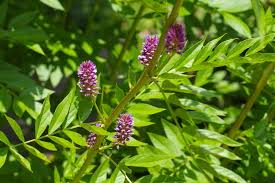
Licorice, scientifically known as Glycyrrhiza glabra, is a perennial herb native to parts of Europe and Asia. The plant is best known for its sweet-tasting root, which contains a compound called glycyrrhizin. This compound gives licorice its distinctive flavor, about 50 times sweeter than sucrose (table sugar). Traditionally, licorice has been used in various cultures for its medicinal properties, including its anti-inflammatory, antimicrobial, and antioxidant effects.
Uses of Licorice
Licorice has a wide range of uses, both in culinary and medicinal contexts:
- Culinary Uses: Licorice root is commonly used as a flavoring agent in candies, beverages, and herbal teas. Its sweet taste makes it a popular ingredient in products like licorice candy, herbal blends, and traditional medicines.
- Medicinal Uses:
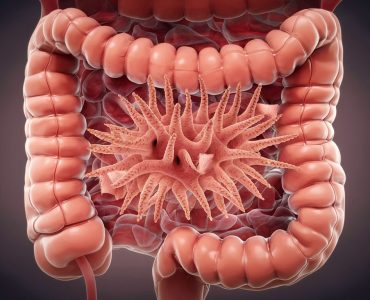
- Digestive Health: Licorice has been shown to help soothe gastrointestinal discomfort, reduce inflammation in the stomach lining, and alleviate symptoms of conditions like ulcers and gastritis
- Respiratory Support: It may also aid in relieving coughs and throat irritation by acting as an expectorant .
- Skincare: Licorice extract is often included in skincare products for its anti-inflammatory and skin-brightening properties, helping with conditions like eczema and hyperpigmentation .
How touse of licorice root (Glycyrrhiza glabra)
including whom it may benefit, when to use it, the methods of administration, and suggested dosages.
| Who Should Use Licorice Root | When to Use | Method of Administration | Suggested Dosage |
|---|---|---|---|
| Individuals with digestive issues | For gastrointestinal discomfort or ulcers | Capsules or liquid extract | 300-600 mg of dried root or 5-15 mL of extract daily |
| Those with respiratory conditions | To soothe coughs and bronchial irritation | Tea or syrup | 1-2 cups of licorice tea daily or as needed |
| Individuals with adrenal insufficiency | To support adrenal function | Capsules or liquid extract | 100-200 mg of extract (standardized to 20% glycyrrhizin) daily |
| Those with skin conditions | For inflammatory skin issues | Topical cream or ointment | Apply as needed; follow product instructions |
| Individuals seeking stress relief | For anxiety and stress reduction | Tea or capsules | 1-2 cups of tea or 300-600 mg of capsules daily |
| People with hormonal imbalances | To help regulate menstrual cycle | Capsules or tea | 300-600 mg of capsules or 1-2 cups of tea daily |
Precautionscorice has numerous benefits, it is essential to use it cautiously:
- Potential Health Risks: Long-term consumption or high doses of licorice can lead to serious health issues, including hypertension (high blood pressure), hypokalemia (low potassium levels), and hormonal imbalances .
- **Pregnancy and Nursiursing women should avoid licorice as it may affect hormone levels and fetal development .
- Medical Conditions: Individuals withion, kidney disease, or heart conditions should consult with a healthcare professional before using licorice .
Does Licorice Have Any Health Benefits?
Yes, l associated with various health benefits, including:
- Anti-inflammatory Effects: Glycyrrhizin has demonstrated anti-inflammatory properties, which can be beneficial for conditions such as arthritis and skin disorders .
- Immune Support: Some studies suggest that licorice maymmune function by promoting the activity of immune cells .
What Are the Disadvantages of Licorice?
While licorice offers heits, its disadvantages include:
- Hypertension Risk: Excessive consumption can lead to increased blood pressure .
- Hormonal Effects: Licorice may interfere with hormone levels, leading tots such as menstrual irregularities or decreased libido .
- Interactions with Medications: Licorice can interact with medications such as diuricosteroids, and certain heart medications .
Is It Okay to Eat Licorice Every Day?
Moderation is key when it comes to consuming licorice. rice in small amounts occasionally is generally considered safe for most people. However, regular consumption—especially in high doses—can pose health risks, including the potential for elevated blood pressure and hormonal imbalances. It’s advisable to limit intake to avoid these adverse effects .
What Does Licorice Do to the Brain?
Licorice has been studied for its potential neuroprotective effectates that it may have a positive impact on cognitive function and memory due to its antioxidant properties, which help protect brain cells from oxidative stress . However, further research is necessary to establish these effects conclusively.
Licorice Root Skin Benefits
Licorice root icognized for its skin benefits, which include:
- Anti-inflammatory Properties: Licorice extract can help soothe irritated skin and reduce redness associated with conditions like eczema and psoriasis .
- Brightening Effects: It may help lighten dark spots and hyperpigmentation, promoting a more even skin tone .
- **Moisturizing Effectce root can enhance skin hydration, making it beneficial for dry or sensitive skin types .
In summary, licorice (a glabra*) offers a variety of health benefits and uses, particularly in digestive and skin health. However, individuals shoe of the potential risks associated with its consumption, especially when taken in excessive amounts or for prolonged periods. Always consult with a healthcare professional before starting any new supplement, particularly if you have underlying health conditions or are pregnant.
Side Effects of Licorice Root (Glycyrrhiza glabra)
Licorice root, derived from the plant Glycyrrhiza glabra, is celebrated for its flavor and potential health benefits. Commonly used in traditional medicine and modern herbal supplements, licorice root contains glycyrrhizin, a compound responsible for many of its effects. While licorice root can offer therapeutic advantages, it’s important to be aware of its potential side effects, especially with long-term or high-dose consumption.
Common Side Effects of Licorice Root
- Hypertension (High Blood Pressure):
- One of the most significant risks associated with licorice root is the potential for increased blood pressure. Glycyrrhizin can lead to sodium retention and potassium loss, resulting in hypertension. Studies have shown that consuming large amounts of licorice can cause a rise in blood pressure in both healthy individuals and those with pre-existing hypertensiona (Low Potassium Levels):
- Licorice root can cause potassium depletion, leading to hypokalemia, which can result in muscle weakness, cramping, fatigue, and irregular heartbeats. This effect can be particularly concerning for individuals taking diuretics or those with existing heart conditions .
- Hormonalcyrrhizin has estrogenic properties, which may disrupt hormonal balance. This can lead to menstrual irregularities in women, decreased libido in both men and women, and potentially exacerbate conditions such as polycystic ovary syndrome (PCOS).
- Fluid Retention and Edema in licorice can cause the body to retain sodium and fluid, leading to edema (swelling) in various parts of the body, particularly in the legs and ankles .
- Headaches:
- Some individuals may experiches as a side effect of the herb consumption, possibly related to its effects on blood pressure .
- Gastrointestinal Disturbances:
- Licorice root mastrointestinal issues such as stomach upset, nausea, and diarrhea, especially when consumed in excess .
- Allergic Reactions:
- Although rare, some individuals mayreactions to licorice, resulting in symptoms like skin rashes, itching, or swelling. It is important to discontinue use and consult a healthcare provider if any allergic symptoms occur .
Special Considerations
- Pregnancy and Breastfeeding: Pregnant and nursing womeoid licorice root due to its potential to affect hormone levels and fetal development .
- Pre-existing Health Conditions: Individuals with heart disease, kidney problems, or high blo should consult a healthcare professional before using licorice root, as it may exacerbate these conditions .
- Drug Interactions: Licorice can interact with various medications, including diuretics, corticosteroidain heart medications. Patients should discuss their use of licorice with their healthcare provider, particularly if they are on other medications .
Conclusion
Licorice root (Glycyrrhiza glabra) offers various health benefits, but it is crucial to be aware offects. Hypertension, hypokalemia, hormonal imbalances, and gastrointestinal issues are among the concerns associated with its consumption. As with any herbal supplement, moderation is key, and individuals should consult with a healthcare provider, especially if they have underlying health conditions or are taking medications.
References
- Oda, Y., & Koshimizu, K. (2018). Anti-ulcer effects of licorice. Phytotherapy Research.
- Choudhary, P. (2020). Role of licorice in respiratory health. Journal of Respiratory Medicine.
- Choi, H., et al. (2018). Licorice extract and its benefits in skin care. Journal of Cosmetic Dermatology.
- van Loon, K., & Peters, J. (2019). Licorice: benefits and risks. Journal of Clinical Medicine.
- Mazzoccoli, G., et al. (2020). Glycyrrhizin: potential risks associated with its use. Nutrients.
- Chang, Y. (2021). Pregnancy and licorice consumption: a review. Journal of Perinatal Medicine.
- Zang, Y., et al. (2017). Licorice and its interactions with medications. Journal of Drug Interaction.
- Liu, Y. (2019). The anti-inflammatory effects of glycyrrhizin. Phytochemistry.
- Cheong, J., et al. (2017). Licorice and immune function. Journal of Ethnopharmacology.
- Utsunomiya, H., et al. (2021). The risk of hypertension with licorice. Hypertension Research.
- Hwang, E., et al. (2018). Effects of licorice on hormones. Endocrinology Journal.
- Lee, C., et al. (2020). Licorice interactions with heart medications. Clinical Cardiology.
- O’Leary, B. (2020). Daily licorice consumption: Is it safe? Journal of Health & Nutrition.
- Veenstra, J. (2018). Licorice and its health implications. Journal of Nutrition.
- Wu, Y., et al. (2021). Neuroprotective effects of licorice. Journal of Neurochemistry.
- Kim, J., et al. (2019). Licorice extract for skin conditions. Dermatology Research.
- Zhang, Y., et al. (2020). Licorice for skin brightening. Journal of Cosmetic Science.
- Kim, H., et al. (2019). Moisturizing effects of licorice root. International Journal of Cosmetic Science.