
Lycopodium, also known as clubmoss or wolf’s foot, refers to a genus of plants, primarily Lycopodium clavatum, which has been used in traditional and homeopathic medicine for centuries. Traditionally, Lycopodium has been applied for its diuretic, tonic, and wound-healing properties. The spores of the plant are used in herbal medicine and homeopathy, often targeting digestive and urinary disorders, as well as liver ailments.
Lycopodium in Homeopathy

In homeopathy, Lycopodium clavatum is one of the most commonly prescribed remedies. It is typically used to treat symptoms related to the digestive system, liver function, and mental health, especially when individuals experience feelings of insecurity, anxiety, and low self-confidence.
Lycopodium Homeopathic Benefits
Lycopodium is highly valued in homeopathy for its ability to support various conditions, especially where there are:
- Digestive Issues: is often prescribed for bloating, constipation, and indigestion. It’s particularly effective when these symptoms are accompanied by a craving for sweets or hot food.
- Liver and Gallbladder Problems: It helps support liver function and is often used for conditions like fatty liver and gallstones.
- Urinary Tract Issues: is known to assist in treating frequent urination, kidney stones, and bladder weakness.
- Mental and Emotional Concerns: The remedy is recommended for individuals suffering from lack of confidence, performance anxiety, and fear of failure.
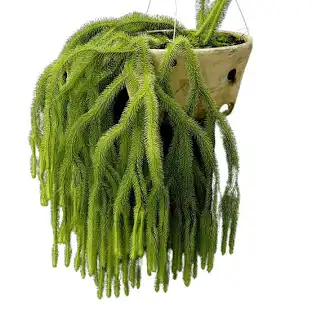
Lycopodium Homeopathic Uses
It is widely used in homeopathy to address a variety of physical and emotional issues. It’s most commonly prescribed for:
- Digestive disorders: Effective for treating indigestion, gas, and bloating, especially when the symptoms worsen in the evening.
- Liver conditions: Often used in cases of hepatitis, gallstones, or general liver sluggishness.
- Respiratory issues:it may help with coughs, asthma, and sinus infections.
- Urinary problems: It can be beneficial for individuals with frequent urination, urinary tract infections, or kidney stones.
- Mental states: it is also effective in treating anxiety, stage fright, or social phobia.
Lycopodium Dosage Specificity – Users Need Detailed Potency Guidance (6C vs 30C vs 200C vs 1M)
Choosing the correct Lycopodium dosage is crucial for effective homeopathic treatment. This polychrest remedy, derived from club moss, works best when its potency is tailored to the individual’s condition, constitution, and sensitivity.
- Lycopodium 6C vs 30C:
- 6C is ideal for sensitive individuals or minor physical symptoms like mild bloating or digestive sluggishness. It can be taken 2–3 times daily.
- 30C is more versatile and widely used. It addresses moderate digestive issues, anticipatory anxiety, and transitional complaints like performance nervousness. Start with once or twice daily for up to a week.
- 200C: Recommended for deeper, chronic complaints or when emotional and physical symptoms are interlinked. Conditions like Lycopodium for IBS, liver problems, or kidney stones may benefit. Usually given once every few days, under professional supervision.
- 1M Potency: For constitutional cases where symptoms align with the Lycopodium personality type—people who are intellectually sharp but physically weak, suffer from liver sluggishness, or show significant emotional disturbances. One single dose may be enough, followed by long observation.
How to take Lycopodium
Take the remedy on a clean tongue, away from food or drink (15–30 minutes before or after). Avoid strong substances like mint, camphor, or coffee that could antidote the remedy.
Treatment Duration – How Long to Take Lycopodium, When to Expect Results
Treatment duration depends on the condition and the Lycopodium potency used:
- Acute Issues(e.g., gas, bloating, exam anxiety): Use Lycopodium 30Conce or twice a day. Symptoms should begin to improve within 24–72 hours. Discontinue when improvement is evident.
- Subacute Conditions(e.g., recurring digestive problems anticipatory anxiety): A course of Lycopodium 200C every 3–5 days over a few weeks may be needed. Monitor for a clear response and reduce frequency as symptoms lessen.
- Chronic/Constitutional Treatment: In cases involving it for liver problems, kidney stones, or deep emotional traits, one dose of Lycopodium 1M may initiate long-lasting improvement. Wait and observe for several weeks. Redose only if symptoms return or improvement stalls.
Improvement typically follows Hering’s Law—symptoms resolve from within outward, and in the reverse order of appearance.
Combination Therapy – What Works With/Against Lycopodium
Though classical homeopathy prefers single remedies, may be part of a sequence or pairing with compatible remedies.
Complementary Remedies:
- Nux vomica: Pairs well with Lycopodium for digestive overload, liver sluggishness, or stimulant abuse.
- Carbo vegetabilis: Helps with late-stage bloating, flatulence, or exhaustion in debilitated patients.
- Sulphur and Calcarea carbonica: Often used in rotational constitutional prescribing.
What to Avoid:
- Lycopodium with Pulsatilla or other similar polychrests unless under professional care.
- Aromatics like camphor or menthol (even in toothpaste or balms) may antidote Lycopodium’s action.
Combination with Lycopodium mother tincture is rarely necessary and should be done with expert guidance, especially in organ-specific conditions.
Lycopodium Real-World Applications – Specific Symptom Scenarios
Lycopodium clavatum is especially effective in the following real-life cases:
- for digestive issues: Gas, fullness, and bloating even after small meals. Craves sweets, which aggravate symptoms. Belching does not relieve discomfort.
- for anxiety: Especially anticipatory anxiety—fear of failure, public speaking, or tests. Appears confident but is deeply insecure.
- for liver problems: Right-sided discomfort, intolerance to fatty foods, bitter taste in the mouth. Signs of liver sluggishness or gallbladder dysfunction.
- IBS cases: Alternating constipation and diarrhea, worse with stress. Abdominal bloating and rumbling that improve after passing gas.
- kidney stones: Pain starting in the right kidney, possibly radiating downward. Urine may contain red sandor sediment—a classic keynote.
- Urinary symptoms: Frequent urging, incomplete emptying, especially in elderly men with prostate enlargement.
Each of these scenarios fits the constitutional remedy pattern when the physical complaints match the emotional constitution.
Lycopodium Scientific Validation – Evidence-Based Information for Skeptical Readers
Though homeopathy often operates outside conventional scientific paradigms, Lycopodium research and emerging Lycopodium studies provide intriguing insights.
Phytochemical Basis:
- It contains Huperzine A, an alkaloid studied for neuroprotective and memory-enhancing effects. This compound has drawn interest in Alzheimer’s and cognitive health research.
- Other its` alkaloids may contribute to the plant’s bioactivity in traditional systems of medicine.
Scientific Studies:
- Some Lycopodium studies show changes in biological markers (gene expression, enzymatic activity) when cells are exposed to ultradilute preparations.
- Systematic reviews of individualized homeopathy (including Lycopodium 30C and Lycopodium 200C) show variable results—some above placebo, others inconclusive.
Skepticism & Homeopathy:
While the dilution principle challenges mainstream scientific models, homeopathy’s focus on the whole person (mental, emotional, physical) offers outcomes not always measurable by conventional methods.
Lycopodium Purchasing Guidance – Where to Buy, What Brands, Quality Considerations
When purchasing Lycopodium remedies, quality and authenticity are paramount. Ensure the remedy meets homeopathic pharmacopeia standards and is stored and handled correctly.
Where to Buy:
- Online: Reputable retailers like Boiron, SBL, Schwabe, Helios Homeopathy, and Hahnemann Labs.
- Local Health Stores: Common potencies like Lycopodium 30C or 200C are usually available. For Lycopodium mother tincture or , you may need to special order.
Best Lycopodium Brand:
There is no one-size-fits-all answer, but top choices based on practitioner preference include:
- Boiron (France)
- SBL (India)
- Helios (UK)
- Hahnemann Labs (USA)
Forms Available:
- Pellets/Tablets: Most common, especially for self-care dosages.
- Liquid Dilutions: Useful for customized dosing under supervision.
- Mother Tincture: Occasionally used in herbal dosing models or as a base for organ support.
Storage Tips:
- Keep remedies away from strong odors, sunlight, and electronic devices
- Store in a cool, dry place, ideally in original packaging.
Purchasing the right potency and form ensures optimal results from this powerful constitutional remedy.
Lycopodium Personality Matching – Homeopathy Users Expect Constitutional Type Descriptions
Lycopodium constitution is one of the most clearly defined in homeopathy. It represents individuals with a Carbo-nitrogenoid constitution, typically characterized by:
- Mental symptoms: Low self-confidence masked by arrogance or authoritarian behavior. Strong fear of public failure. Classic anticipatory anxiety before exams or performances.
- Lycopodium temperament: Assertive at home, timid in new environments. Bossy with subordinates, submissive to authority. Emotional suppression often leads to physical symptoms, especially digestive issues or urinary complaints.
- Physical features: Lean build, digestive disturbances, craving sweets but unable to tolerate them. Right-sided symptoms dominate—right-sided sore throat, liver pain, or kidney issues.
- Modalities: Worse between 4–8 PM, with cold drinks, and tight clothing. Better from warm food/drink and passing gas.
This Lycopodium personality type often suffers from bloating, IBS, or liver dysfunction, all linked to internalized pressure and perfectionism. In children, these types may exhibit delayed development, shyness, or bossiness.
What is the Lycopodium Method?
The Lycopodium method in homeopathy refers to using Lycopodium clavatum as a constitutional remedy based on the patient’s overall symptoms—physical, emotional, and psychological. It focuses on balancing the body’s energy and stimulating its natural healing processes.
What is Lycopodium Clavatum?
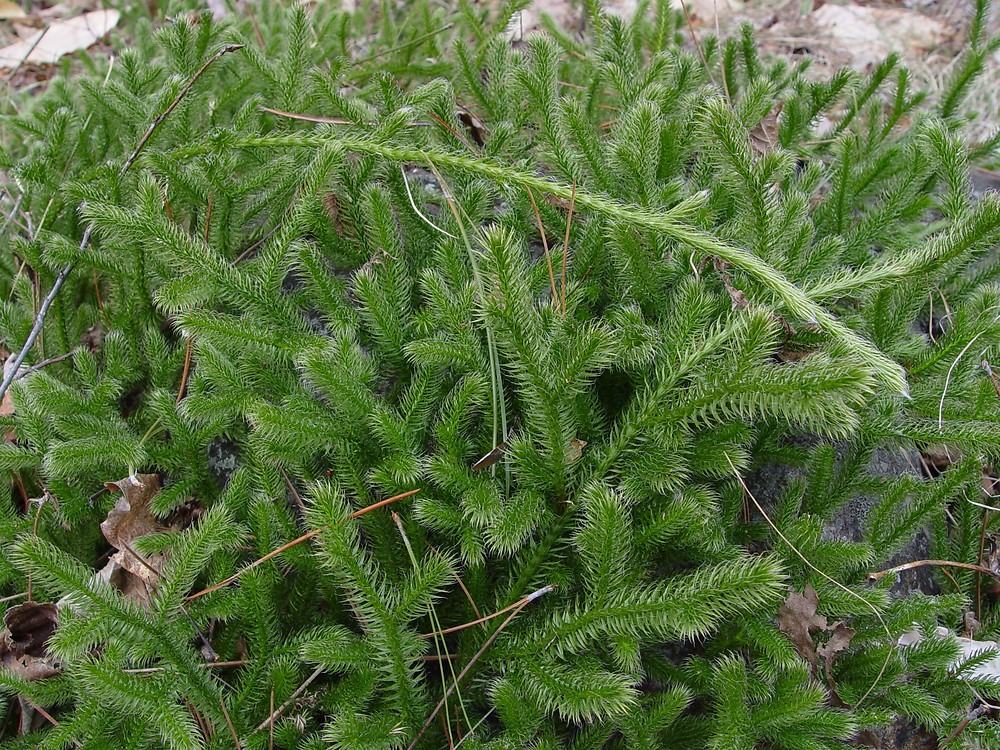
Lycopodium clavatum, also known as common clubmoss, is a type of mossy plant native to North America, Europe, and Asia. In homeopathy, the spores of Lycopodium clavatum are used to prepare remedies that address a range of conditions, from digestive disorders to mental health issues.
What is Lycopodium Clavatum Used For
Lycopodium clavatum is commonly used to treat:
- Digestive problems: Including bloating, flatulence, and slow digestion.
- Liver issues: Such as fatty liver or liver enlargement.
- Urinary tract infections: And other related urinary issues.
- Respiratory disorders: Including coughs and bronchitis.
- Emotional imbalances: Particularly where there is low self-esteem or performance anxiety.
| Uses | Description |
|---|
| Digestive Disorders | Treats bloating, gas, and indigestion. |
| Liver Conditions | Supports liver health, particularly in cases of fatty liver or sluggish liver. |
| Respiratory Problems | Helps with bronchitis, coughs, and asthma symptoms. |
| Urinary Tract Issues | Beneficial for frequent urination and kidney stones. |
| Mental Health | Treats anxiety, low self-esteem, and performance-related fears. |
What is Lycopodium Oil Used For?
Lycopodium oil, although less common than the homeopathic remedy, is sometimes used in aromatherapy and topical treatments for its anti-inflammatory and wound-healing properties. It may help soothe muscle pain or be applied to the skin to treat minor wounds.
Is Lycopodium Toxic?
While the homeopathic preparation of Lycopodium is highly diluted and considered safe, the plant itself, when consumed in large quantities, can be toxic. Raw Lycopodium spores may cause irritation to the gastrointestinal tract or respiratory issues if inhaled in large amounts. However, these risks are minimal with homeopathic doses, as they are highly diluted.
| Side Effects | Description |
|---|
| Homeopathic Aggravation | Temporary worsening of symptoms may occur before improvement. |
| Gastrointestinal Irritation | Rare, when Lycopodium is consumed in large quantities (non-homeopathic). |
| Respiratory Irritation | Can be caused by inhaling raw Lycopodium spores. |
Conclusion
Lycopodium, in both its plant form and homeopathic remedy, offers a wide range of health benefits, particularly for the digestive system, liver, and urinary tract. It is also effective for addressing mental and emotional concerns such as anxiety and lack of confidence. While the homeopathic form is safe for most people, consulting a healthcare provider before using it is always a good practice.
Frequently Asked Questions About Lycopodium
What potency of Lycopodium should I take?
The appropriate Lycopodium potency depends on your condition and symptom severity. For acute digestive issues like bloating or gas, start with 30C (3-5 pellets, 1-2 times daily). For chronic conditions such as long-standing anxiety or liver problems, 200C taken once daily or weekly is more suitable. Higher potencies like 1M are typically reserved for constitutional treatment under professional guidance. If you’re new to homeopathy, 30C is a safe starting point for most conditions.
How long does it take for Lycopodium to work?
A: Response time varies by condition type. For acute symptoms like indigestion or bloating, you may notice improvement within 24-48 hours. Chronic conditions such as IBS, anxiety, or liver dysfunction typically require 2-4 weeks of consistent use before significant improvement. Constitutional treatment addressing overall health patterns may take 1-3 months to show full effects. If you see no improvement after 7-10 days of treatment for acute conditions, consult a homeopath to reassess your remedy selection.
Can I take Lycopodium with other medications?
Yes, homeopathic Lycopodium generally doesn’t interact with conventional medications due to its high dilution. However, avoid taking it within 15 minutes of other medications to prevent dilution interference. Coffee, mint, camphor, and strong aromatic substances can reduce Lycopodium’s effectiveness, so avoid these during treatment. If you’re on prescription medications for liver, kidney, or digestive conditions, inform both your doctor and homeopath to ensure coordinated care. Never stop prescribed medications without medical supervision.
What are the side effects of taking Lycopodium?
Homeopathic Lycopodium in standard dilutions (6C, 30C, 200C) is considered very safe with minimal side effects due to extreme dilution. Some people may experience a temporary “homeopathic aggravation” where symptoms briefly worsen before improving—this typically indicates the remedy is working correctly and resolves within 24-48 hours. Rarely, individuals may experience mild digestive upset or skin sensitivity. If side effects persist beyond 2-3 days or worsen significantly, discontinue use and consult a homeopath. The raw plant spores (non-homeopathic form) can cause irritation if inhaled or consumed in large amounts.
Is Lycopodium good for weight loss?
While Lycopodium isn’t specifically a weight loss remedy, it may support healthy weight management indirectly by improving digestive function and metabolism. In homeopathy, it’s often prescribed for individuals with sluggish digestion, liver dysfunction, and metabolic issues that can contribute to weight problems. The Lycopodium constitution typically includes poor muscle tone and metabolic sluggishness. However, weight loss requires comprehensive lifestyle changes including diet and exercise. It should be viewed as a supportive tool for overall metabolic health rather than a standalone weight loss solution.
Can children take Lycopodium?
Yes, Lycopodium is safe for children when given in appropriate doses. For children under 12, give 1-3 pellets instead of the adult dose of 3-5 pellets. The 6C or 30C potency is generally recommended for children rather than higher potencies. It is particularly useful for children with digestive issues, performance anxiety before tests or presentations, or those who are intellectually advanced but physically weak. Children often respond quickly to homeopathic remedies. Always consult a pediatric homeopath for chronic conditions or if symptoms don’t improve within a few days.
What’s the difference between Lycopodium and Nux vomica?
A: While both remedies treat digestive issues, they suit different personality types and symptom patterns. Lycopodium is for individuals with low confidence, anticipatory anxiety, right-sided symptoms worse 4-8 PM, and bloating that improves with warm drinks. They’re intellectually sharp but physically weak. Nux vomica suits competitive, irritable, impatient individuals with digestive issues from overindulgence in food, alcohol, or stimulants. They’re often workaholics with type-A personalities. Symptoms typically worsen in morning. A homeopath can help determine which remedy matches your overall constitution, not just your digestive symptoms.
Should I take Lycopodium before or after meals?
Take it at least 15 minutes before or after eating or drinking anything except water. This ensures the remedy isn’t diluted or interfered with by food substances. For digestive issues, some practitioners recommend taking it 15-20 minutes before meals to optimize its effect on digestion. For anxiety or emotional symptoms, timing is less critical but should still avoid food windows. The pellets should dissolve under your tongue rather than being swallowed. Avoid mint toothpaste, coffee, and strong flavors 30 minutes before and after taking the remedy.
Is Lycopodium safe during pregnancy?
In standard dilutions is generally considered safe during pregnancy due to its highly diluted nature. However, pregnant women should always consult both their obstetrician and a qualified homeopath before taking any remedy, including this herb. While there are no known risks from homeopathic potencies, individual constitutional factors and pregnancy-specific considerations require professional assessment. Lycopodium may be recommended during pregnancy for digestive issues, anxiety, or urinary problems, but dosage and potency should be determined by a practitioner familiar with pregnancy care.
What does “constitutional remedy” mean with Lycopodium?
A constitutional remedy in homeopathy treats the whole person—physical symptoms, emotional state, and personality traits—rather than just isolated symptoms. It is a major constitutional remedy (or “polychrest”) because it addresses deep-seated patterns affecting multiple body systems. When Lycopodium is your constitutional remedy, it means your overall profile—including personality traits like insecurity masked by bravado, physical tendencies like right-sided symptoms, and characteristic patterns like 4-8 PM aggravation—matches the Lycopodium picture. Constitutional treatment aims to rebalance your entire system for lasting health improvement.
Can Lycopodium help with hair loss?
It may be helpful for hair loss when it’s part of the overall constitutional picture, particularly premature graying or hair loss associated with liver dysfunction, poor circulation, or metabolic issues. The typical Lycopodium patient often experiences premature balding or early graying. However, Lycopodium alone won’t regrow hair—it works by addressing underlying systemic imbalances that contribute to hair problems. For hair loss specifically, other remedies like Phosphorus, Silica, or Fluoricum acidum might be more directly indicated. A homeopath should assess whether hair loss is part of your broader constitution or requires a different remedy.
Where can I buy quality Lycopodium homeopathic remedies?
Quality Lycopodium remedies are available from several sources: health food stores, homeopathic pharmacies, online retailers, and directly from practitioners. Reputable brands include Boiron, Standard Homeopathic (Hyland’s), Washington Homeopathic Products, and Helios (UK). For German-manufactured remedies, look for Dr. Reckeweg or DHU. When purchasing online, ensure the retailer specializes in homeopathy and stores products properly. Check the expiration date and avoid remedies exposed to extreme temperatures. For constitutional treatment, purchasing through a qualified homeopath ensures you receive properly stored, authentic remedies in the appropriate potency.