Lysine is an essential amino acid needed for growth and to help maintain nitrogen balance in the body. As an essential amino acid, it is not made in the body and must be supplied by the diet. Brewer’s yeast, pulses, beef, lamb, chicken, beans, eggs, dairy and fish contain significant amounts of lysine.
What it does
- Herpes Prevention and Treatment: Lysine acts against arginine, which is known to promote the growth of the herpes virus. The best preventative results may be obtained when lysine is combined with vitamin C, zinc, and a diet that promotes an increase in the lysine to arginine ratio.
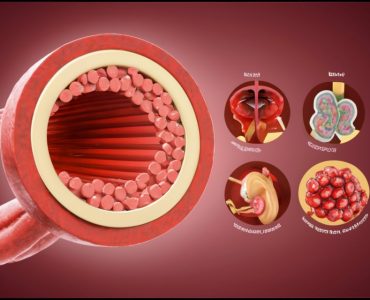
- Cardiovascular Protectant: Lysine has been reported to strengthen the integrity of the tissue in the artery walls, thereby inhibiting the formation of arterial lesions and/or speed their healing. Lysine is also a precursor of carnitine, a potent cardiovascular tonic.
- Bone Health: Lysine supplementation increases the absorption of calcium and may reduce its excretion, whereas lysine deficiency is associated with increased excretion of calcium in the urine.
- Lead Detoxification: Lysine has been shown to bond to the heavy metal lead, effectively reducing its toxicity and aiding its removal from the body.
Potential Uses
| Atherosclerosis | Cold Sores | Osteoporosis |
| Shingles | Genital herpes |
Lysine is an essential amino acid, which means that the body cannot produce it on its own. It must be obtained from food. Lysine is found in a variety of foods, including:
- Meat
- Fish
- Poultry
- Eggs
- Dairy products
- Beans
- Nuts
- Seeds
- Whole grains
Benefits of Lysine
Lysine has a number of health benefits, including:
- Skin health: Lysine is important for the production of collagen, which is a protein that gives skin its strength and elasticity. Lysine deficiency can lead to dry, scaly skin.
- Hair health: Lysine is important for the production of keratin, which is a protein that makes up hair. Lysine deficiency can lead to hair loss and brittle hair.
- Immune system health: Lysine helps to produce antibodies, which are proteins that fight infection. Lysine deficiency can lead to a weakened immune system.
- Heart health: Lysine helps to lower cholesterol levels and reduce the risk of heart disease.
- Weight loss: Lysine helps to suppress appetite and promote weight loss.
- Cold sores: Lysine may help to shorten the duration of cold sores.
Consequences of Deficiency
A deficiency in lysine can lead to a number of health problems, including:
- Skin problems: Dry, scaly skin
- Hair loss: Brittle hair
- Weakened immune system: Increased risk of infection
- High cholesterol: Increased risk of heart disease
- Weight gain: Increased appetite
- Cold sores: Longer duration of cold sores
Examples of Products Full of Lysine
The highest sources of lysine are:
- Meat: Beef, pork, chicken, and fish are all good sources of lysine.
- Eggs: Eggs are a good source of lysine.
- Dairy products: Milk, yogurt, and cheese are all good sources of lysine.
- Beans: Beans are a good source of lysine.
- Nuts: Almonds, peanuts, and walnuts are all good sources of lysine.
- Seeds: Sunflower seeds, pumpkin seeds, and chia seeds are all good sources of lysine.
- Whole grains: Quinoa, oats, and brown rice are all good sources of lysine.
How to Use Lysine
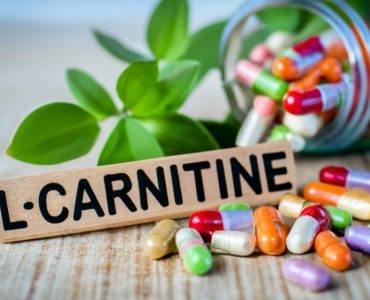
The best way to get enough lysine is to eat a diet rich in lysine-rich foods. You can also take a lysine supplement. The amount of lysine you need depends on your age and health status. It is best to talk to your doctor to determine the right amount of lysine for you.
Is it OK to take L-lysine everyday?
Yes, it is generally safe to take L-lysine every day. However, it is important to talk to your doctor before taking any supplements, especially if you are taking other medications.
How much lysine should I take to stop an outbreak?
The amount of lysine you need to take to stop an outbreak depends on the severity of the outbreak. A typical dose is 500 milligrams per day, but you may need to take more. It is important to talk to your doctor to determine the right dose for you.
Cautions
All amino acid supplements are best taken on an empty stomach.
At the time of writing there were no well known negative drug interactions with lysine.
Generally, there are no side effects or contra-indications from using lysine.