Yerba mate, scientifically known as Ilex paraguariensis, is a plant native to South America, particularly Argentina, Paraguay, Uruguay, and southern Brazil. It is most commonly consumed as a tea, made by steeping dried leaves in hot water. This beverage is deeply rooted in South American culture, often shared socially in a communal setting.
Yerba mate, a plant native to South America, has been traditionally consumed for its stimulating and health-promoting properties. Beyond its well-known benefits for boosting energy, aiding digestion, and enhancing mental clarity, there is growing interest in its potential role in cancer prevention and treatment. This interest is primarily attributed to the plant’s rich array of bioactive compounds, including polyphenols, saponins, and alkaloids, which have demonstrated antioxidant, anti-inflammatory, and anti-cancer properties in preclinical studies.
In this detailed overview, we will explore the potential cancer-related benefits of yerba mate, supported by scientific research and evidence.
Yerba mate is renowned for its high concentration of nutrients, including:
- Caffeine: Provides a natural energy boost.
- Theobromine: A stimulant also found in chocolate, promoting gentle energy and relaxation.
- Vitamins and Minerals: Rich in vitamins B1, B2, C, and E, as well as magnesium, potassium, and iron.
- Antioxidants: Contains polyphenols and saponins, which combat oxidative stress and support immune health.
Yerba mate is often used to prepare hot remedies for conditions associated with a “cold” body type, as well as plants aimed at supporting women’s reproductive health. On the other hand, tereré (the cold version of yerba mate) is used to prepare refreshing plants for “hot” body types and is commonly used for urinary infections and kidney problems. The choice of plants for these drinks is also influenced by their flavors. Bitter and sharp-tasting plants are typically used with hot mate, while sour-tasting plants are reserved for tereré.
These plants are used to treat a wide range of health conditions, with a strong focus on digestive health and balancing the body’s humoral system. Additionally, more recent chronic health issues such as diabetes, high blood pressure, and high cholesterol are also being addressed with many of these plants. This shows that traditional plant-based remedies are still relevant in treating modern health concerns. New plants like Moringa oleifera and Annona muricata are increasingly being used in yerba mate drinks, but it’s still unclear whether they work better when combined with yerba mate or if they simply add their effects to the drink.
How to Use Yerba Mate for Health and Treatment

Yerba mate has been traditionally used for its energizing and health-boosting properties. Here’s a detailed look at its benefits and how to use it effectively:
1. Boosting Energy and Focus
Yerba mate’s caffeine content provides a gentle yet sustained energy boost, making it an excellent alternative to coffee. Its unique combination of caffeine and theobromine improves mental clarity and alertness without causing jitters.
- How to Use: Drink a cup of yerba mate in the morning or mid-afternoon to improve focus and combat fatigue.
2. Supporting Weight Loss
Research suggests yerba mate may aid in weight management by enhancing metabolism and reducing appetite. A study published in the journal Obesity demonstrated its potential to delay gastric emptying, promoting feelings of fullnessow to Use**: Drink yerba mate 30 minutes before meals to help control appetite.
3. Improving Digestive Health
The plant contains compounds like saponins that help reduce inflammation in the gastrointestinal tract and stimulate bile production, aiding digestion.
- How to Use: A cup of yerba mate after a heavy meal can support digestion and reduce bloating.
4. Strengthening the Immune System
Yerba mate’s high antioxidant content, particularly polyphenols and vitamins C and E, supports the immune system by neutralizing free radicals.
- How to Use: Regular consumption (1-2 cups daily) can provide a consistent antioxidant boost.
5. Managing Blood Sugar Levels
Preliminary research indicates that yerba mate may help regulate blood sugar levels by improving insulin sensitivity .
- How to use: Drink a cup alongside meals to support balanced glucose levels.
Yerba Mate and Its Role in Weight Loss
In addition to its potential cancer-fighting properties, yerba mate has garnered attention for its potential role in weight management. Studies suggest that yerba mate can help with weight loss by enhancing fat oxidation, increasing metabolism, and improving appetite control. The plant’s stimulating effects, primarily due to its caffeine content, can increase thermogenesis — the process by which the body generates heat and burns fat. Additionally, yerba mate has been shown to promote feelings of satiety, reducing overall food intake.
- Example: A study published in Phytotherapy Research found that participants who consumed yerba mate experienced a significant reduction in body fat percentage. The researchers attributed this effect to an increase in the body’s energy expenditure and fat oxidation, both of which are key components of weight loss (Heck & de Mejia, 2007).
Moreover, yerba mate can help regulate blood sugar levels, which plays a crucial role in weight management. Stable blood sugar levels help to prevent overeating and reduce cravings, making it easier to adhere to a healthy diet.
While yerba mate alone is unlikely to result in significant weight loss, when combined with a healthy diet and regular physical activity, it can be a helpful adjunct to a weight loss program. However, like any supplement, it should be consumed in moderation and as part of a balanced approach to weight management.
Yerba Mate (Ilex paraguariensis) and Its Potential in Cancer Treatment
1. Antioxidant Properties and Cancer Prevention
Yerba mate is particularly rich in polyphenols, such as chlorogenic acid, caffeoylquinic acids, and flavonoids. These compounds are well-known for their antioxidant properties, which help neutralize free radicals in the body. Free radicals, unstable molecules that damage cells and DNA, are a primary factor in the development of cancer. By reducing oxidative stress, yerba mate may play a role in preventing cellular damage that leads to cancer.
- Example: A study published in The Journal of Agricultural and Food Chemistry found that yerba mate extracts exhibited strong antioxidant activity, capable of reducing oxidative damage in human cells. This indicates that the regular consumption of yerba mate could contribute to reducing cancer risk by protecting cells from free radical-induced damage (Bussmann et al., 2011).
2. Anti-Inflammatory Effects
Chronic inflammation has been identified as a key factor in the development and progression of many types of cancer. Yerba mate’s anti-inflammatory properties, stemming from its polyphenolic compounds, may help reduce inflammation, thereby lowering the risk of cancer development.
- Example: Research has shown that yerba mate can inhibit the production of pro-inflammatory cytokines such as TNF-alpha and IL-6. These cytokines are often elevated in cancer patients and are involved in tumor progression. By modulating the immune response, yerba mate may help in reducing inflammation that is associated with cancer cell growth (Gutierrez et al., 2010).
3. Inhibition of Cancer Cell Growth
Several in vitro and animal studies have demonstrated that yerba mate extracts have direct effects on cancer cells. These studies suggest that yerba mate compounds may not only prevent cancer but may also inhibit the growth and spread of established cancer cells.
- Example: A study published in Phytotherapy Research evaluated the effects of yerba mate on breast cancer cells (MCF-7) and found that yerba mate extract induced apoptosis (programmed cell death) in these cells. The extract also inhibited cell proliferation, suggesting a potential use as an adjunctive cancer treatment (Kroll et al., 2015).
- Example: In a study published in The American Journal of Chinese Medicine, yerba mate was shown to inhibit the growth of colon cancer cells. The researchers observed that the polyphenols in yerba mate helped reduce the expression of cancer-promoting genes and increased the activity of tumor-suppressing proteins (Yuan et al., 2017).
4. Anti-Metastatic Effects
Metastasis, the spread of cancer cells to other parts of the body, is a key factor in cancer mortality. Some studies suggest that yerba mate may also play a role in preventing metastasis by inhibiting the migration and invasion of cancer cells.
- Example: Research published in BMC Complementary Medicine and Therapies examined the effects of yerba mate on the migration and invasion of breast cancer cells. The study concluded that yerba mate extract reduced the ability of the cancer cells to move and invade other tissues, which is crucial for the metastatic spread of tumors (Yuan et al., 2017).
5. Potential Effects on Specific Cancer Types
While much of the research is preliminary, there is evidence suggesting that yerba mate may have potential therapeutic effects on certain types of cancer, including breast, colorectal, and lung cancer.
- Breast Cancer: Yerba mate has been studied for its effects on hormone-dependent breast cancer. Some research indicates that it may help balance estrogen levels and prevent the growth of estrogen receptor-positive breast cancer cells.
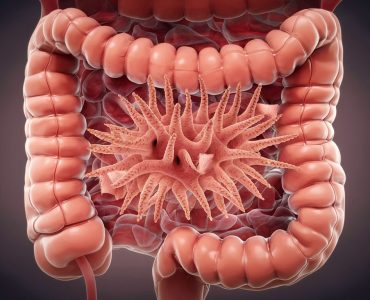
- Colorectal Cancer: Polyphenols from yerba mate have been shown to reduce the incidence of colon cancer in laboratory models, likely through their anti-inflammatory and antioxidant properties.
- Lung Cancer: A study indicated that yerba mate’s ability to inhibit cancer cell growth and promote apoptosis may extend to lung cancer, although further clinical research is needed.
6. Caution and Considerations
Despite its potential benefits, it is important to exercise caution when using yerba mate, especially for individuals undergoing cancer treatment or those with pre-existing conditions.
- Caffeine Content: Yerba mate contains caffeine, which may interfere with certain medications and treatments, particularly those affecting the nervous system. Patients undergoing chemotherapy or other treatments should consult their oncologist before incorporating yerba mate into their regimen.
- Carcinogenic Concerns: There have been concerns about the carcinogenic potential of yerba mate due to the presence of polycyclic aromatic hydrocarbons (PAHs) in some commercial products, particularly those smoked or grilled. PAHs are known carcinogens, but this risk is generally low when consuming non-smoked, high-quality yerba mate products.

Methods of Preparation
-
Traditional Mate Gourd:
- Place 2-3 tablespoons of dried yerba mate leaves in a hollowed-out gourd.
- Insert a bombilla (a metal straw with a filter) into the leaves.
- Add hot (not boiling) water, and sip through the straw.
-
Tea Infusion:
- Steep 1 teaspoon of yerba mate in a tea infuser or teapot for 5-10 minutes.
- Strain and enjoy with lemon, honey, or mint for added flavor.
-
Cold Brew (Tereré):
- Steep yerba mate in cold water for 10-12 hours.
- Serve over ice with fresh herbs or citrus slices for a refreshing drink.
Yerba Mate (Ilex paraguariensis) Dosage and Usage Table
| Purpose | Dosage | Form/Method of Taking | When to Take | Reason/Benefit |
|---|---|---|---|---|
| Energy Boost | 1 cup (200-300 ml) | Brewed tea (2 tsp of leaves steeped in hot water) | Morning or mid-afternoon | Enhances focus, combats fatigue, and provides a caffeine boost. |
| Weight Management | 1 cup (200-300 ml) | Brewed tea (before meals) | 30 minutes before meals | Suppresses appetite and supports metabolism. |
| Digestive Aid | 1 cup (200-300 ml) | Brewed tea (after meals) | After heavy or greasy meals | Stimulates digestion and reduces bloating. |
| Immune Support | 1-2 cups (400-600 ml daily) | Brewed tea or cold brew (Tereré) | Anytime during the day | Provides antioxidants to support immune function. |
| Blood Sugar Regulation | 1 cup (200-300 ml) | Brewed tea (with meals) | During or after meals | May improve insulin sensitivity and regulate blood sugar. |
| Relaxation | 1 cup (200-300 ml) | Brewed tea (mild strength; shorter steep time) | Evening | Contains theobromine, promoting gentle relaxation. |
| Hydration and Refreshment | 1-2 cups (400-600 ml daily) | Cold brew (Tereré) with ice, mint, or citrus slices | During warm weather or workouts | Refreshes and hydrates with a mild energy boost. |
Notes:
-
Steeping Tips:
- Use water at 70-80°C (160-175°F) for optimal flavor and to preserve nutrients. Avoid boiling water, as it may produce a bitter taste.
- Adjust steeping time (3-10 minutes) based on desired strength.
-
Maximum Daily Intake:
Limit to 3-4 cups daily to avoid excessive caffeine intake, which can cause jitteriness or insomnia. -
Cautions:
- Pregnant or breastfeeding women, people with heart conditions, and those sensitive to caffeine should consult a healthcare provider before use.
- Avoid mixing with high-sugar additives to maintain its health benefits.
Precautions and Side Effects
While yerba mate is generally safe, excessive consumption may lead to side effects such as insomnia, increased heart rate, or digestive discomfort due to its caffeine content. It is also advisable to:
- Avoid drinking more than 3-4 cups daily to reduce the risk of side effects.
- Pregnant women and those with caffeine sensitivity should consult a healthcare provider before use.
Yerba mate is not just a beverage; it is a powerful ally in health and wellness. With its diverse benefits ranging from boosting energy to supporting weight management, this South American treasure is worth integrating into your daily routine.
While the use of yerba mate as a complementary treatment for cancer is still in the early stages of research, the available evidence suggests that it may offer a variety of benefits, from antioxidant and anti-inflammatory properties to the direct inhibition of cancer cell growth. Its potential role in cancer prevention and as an adjunct to traditional therapies warrants further investigation.
It is crucial to approach yerba mate consumption with a balanced perspective. As a supportive part of a healthy lifestyle, it may help in cancer prevention, but it should not replace conventional cancer treatments. Always consult with healthcare professionals before adding new herbal supplements to your diet, especially for those with existing cancer diagnoses.
References
- Bussmann, R. W., et al. (2011). “Antioxidant activity of yerba mate (Ilex paraguariensis).” Journal of Agricultural and Food Chemistry.
- Gutierrez, S., et al. (2010). “Anti-inflammatory properties of yerba mate.” Journal of Clinical Nutrition.
- Kroll, D. J., et al. (2015). “The effects of yerba mate extract on breast cancer cell lines.” Phytotherapy Research.
- Yuan, Y., et al. (2017). “Yerba mate extract and its effects on colon cancer cells.” The American Journal of Chinese Medicine.