
Meadowsweet (Filipendula ulmaria) is a perennial herbaceous plant belonging to the Rosaceae family, commonly found in damp meadows across Europe and parts of Western Asia. This plant is notable for its medicinal and culinary uses, as well as its ornamental qualities.
- Height: Typically grows between 60 cm to 120 cm (about 2 to 4 feet).
- Leaves: The leaves are dark green above and whitish beneath, deeply divided with serrated edges. They are aromatic and can be pinnately divided.
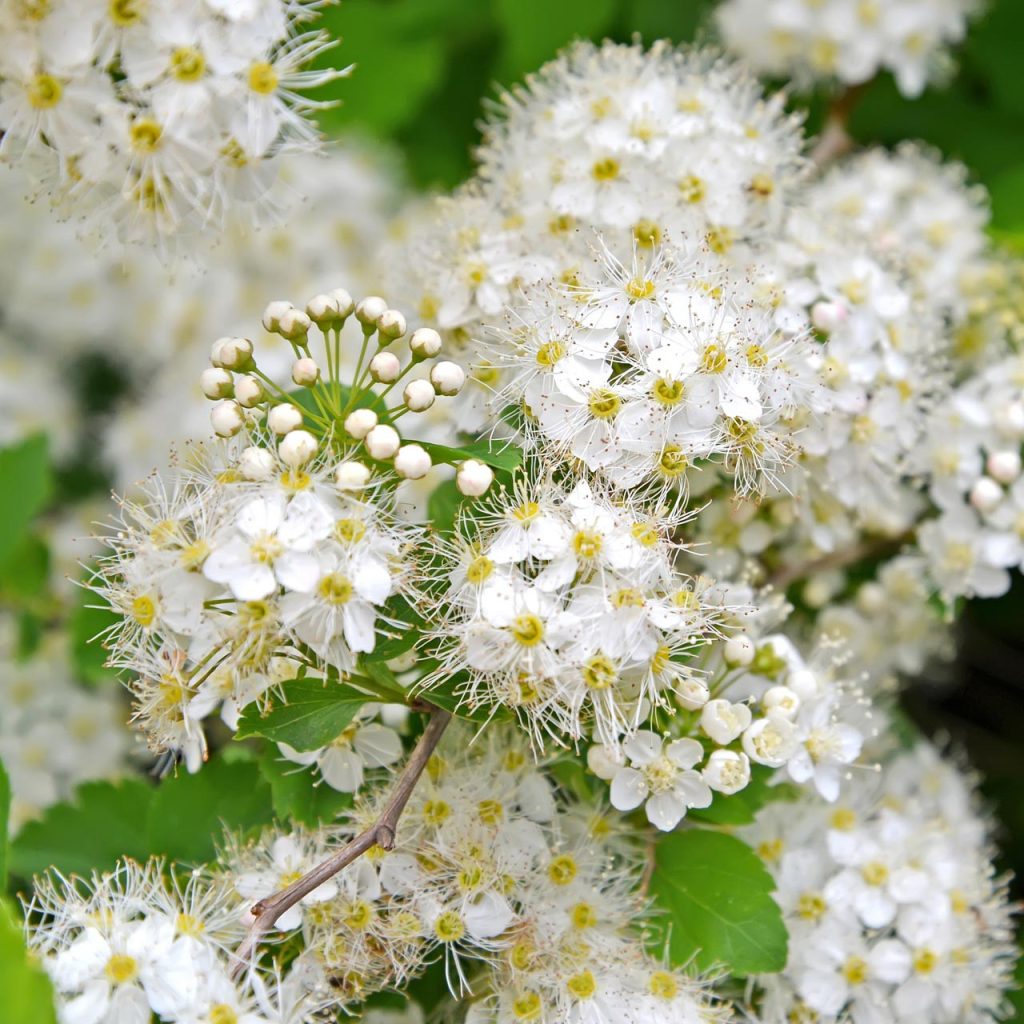
- Flowers: Meadowsweet produces delicate, creamy-white flowers that bloom from early summer to autumn, forming dense clusters with a sweet fragrance reminiscent of antiseptic
Meadowsweet thrives in moist, well-drained soils and can often be found in wetlands, marshes, and along riverbanks. It prefers full sun to partial shade and tolerates a range of soil types, including heavy clay
What is Filipendula ulmaria (Meadowsweet) Used For?
Filipendula ulmaria, commonly known as meadowsweet, has a long history of use in traditional medicine and is recognized for its pain-relieving and anti-inflammatory properties. Its primary uses include treating headaches, joint pain, indigestion, and cold symptoms. Meadowsweet contains salicylic acid derivatives, which are similar to the active ingredient in aspirin, making it a natural remedy for pain relief and fever reduction to:
- Relieve digestive discomfort such as heartburn, gastritis, and acid reflux due to its mild astringent properties that soothe the stomach lining .
- Alleviate jand arthritis, thanks to its anti-inflammatory and pain-relieving compounds.
- Reduce fever and cold symptoms, acting similarly to aspirin but with gentler effects on the stomach.
| Who | When to Use | Form/Method | Dosage/Instructions |
|---|---|---|---|
| Adults with mild pain or inflammation (e.g., arthritis, headaches) | For pain relief and to reduce inflammation due to arthritis, muscle pain, or headaches | Capsules, Tea, Tincture | Capsules: 300-500 mg 3 times/day Tea: 1-2 tsp dried flowers per cup of hot water, 2-3 times/day Tincture: 1-2 ml (20-40 drops) 2-3 times/day |
| Individuals with acid reflux or stomach upset | To soothe digestive issues such as heartburn, indigestion, or mild gastritis | Tea, Tincture, Capsules | Tea: 1-2 tsp dried flowers per cup of hot water, 2-3 times/day Capsules: 300-400 mg 2-3 times/day Tincture: 1-2 ml (20-40 drops) 2-3 times/day |
| Adults with fever or cold symptoms | For natural fever reduction or to relieve cold symptoms | Tea, Capsules | Tea: 1-2 tsp dried flowers per cup of hot water, 2-3 times/day Capsules: 300-500 mg 3 times/day |
| Individuals with minor skin irritations or inflammation | To soothe irritated skin and reduce inflammation | Topical Cream, Compress | Cream: Apply 1-2 times/day on the affected area Compress: Soak clean cloth in meadowsweet tea and apply to the skin for 15-20 minutes, 2-3 times/day |
| Individuals prone to fluid retention or mild urinary issues | For diuretic effects to reduce water retention and support urinary health | Tea, Tincture | Tea: 1-2 tsp dried flowers per cup of hot water, 2-3 times/day Tincture: 1-2 ml (20-40 drops) 2-3 times/day |
| Adults interested in adding floral flavors to culinary dishes | For flavoring foods, beverages, or desserts | Fresh/Dried Flowers (Culinary Use) | Culinary Use: Add 1-2 tsp dried or fresh flowers to flavor teas, desserts, or beverages |
| Gardeners looking to create natural dyes | For natural dyeing of fabrics | Fresh Flowers (Dyeing Use) | Dyeing: Boil fresh flowers and leaves in water for 30-60 minutes to create a yellow/green dye |
Notes:
- Contraindications: Avoid meadowsweet if you are allergic to aspirin, pregnant or breastfeeding, under 16 years old, or have peptic ulcers or bleeding disorders.
- Consultation: Always consult with a healthcare professional before starting any herbal supplements, especially if you are on medications or have chronic health conditions.
Culinary Uses
Meadowsweet has a pleasant, slightly sweet aroma that resembles almonds or vanilla. Historically, it has been used to flavor mead and wine. You can also use it in cooking by:
- Flavoring beverages: Add a handful of fresh or dried meadowsweet flowers to steep in teas, meads, or wines.
- Infusing desserts: Meadowsweet flowers can be used to flavor desserts like custards, ice creams, and jellies. Simply steep the flowers in milk or cream before using it in your recipe.
- Herbal vinegar: Create a unique herbal vinegar by steeping meadowsweet flowers in white wine vinegar.
- Flavoring: Young leaves can enhance soups, while flowers are used in jams and syrups for their nutty flavor.
- Tea: Both leaves and flowers can be brewed into herbal tea, which may also serve as a sweetener when dried
Its subtle almond-like flavor adds a floral note to sweet and savory dishes .
Medicinal Uses
Meadowsweet has a long history of use in herbal medicine:
- Anti-inflammatory and analgesic: The salicylates in meadowsweet reduce inflammation and pain, making it helpful for arthritis, headaches, and muscle pain .
- Antacid and digestive aid: It soothes the stomach and helps balan reducing symptoms of heartburn and indigestion .
- Diuretic: Meadowsweet promotes urination, helping to reduce fluid retentiont kidney function.
- Astringent: Its tannin content gives it mild astringent properties, which can help control diarrhea and soothe irritated skin.
- Pain Relief: Contains salicylates similar to aspirin, providing anti-inflammatory benefits.
- Digestive Health: Effective for treating conditions like hyperacidity, ulcers, and irritable bowel syndrome.
- Diuretic Properties: Helps eliminate excess fluids and supports kidney function.
- Antiseptic Qualities: Can be used externally for treating wounds or inflamed areas
What is Meaded For?
Meadowsweet’s primary medicinal use is in relieving pain and inflammation, similar to over-the-counter non-steroidal anti-inflammatory drugs (NSAIDs). It is also widely used as a digestive aid to alleviate stomach upset, reduce nausea, and combat diarrhea due to its tannin content. Additionally, meadowsweet has been used in traditional medicine to treat skin irritations, fevers, and to support urinary health .
What is the Use of Filipendula ulmaria in Homeopathy?
In homeopathy, Filipendula ulmaria (often labeled as Spiraea ulmaria) is used to treat various forms of gastrointestinal issues, especially those involving acidity and bloating. It is also commonly prescribed for rheumatic pain and conditions like gout. Homeopathic remedies are highly diluted and focus on stimulating the body’s natural healing mechanisms rather than treating symptoms directly. Typical homeopathic formulations may come in the form of tinctures or granules in various potencies (e.g., 6C or 30C), where patients are advised to take a few drops or granules under the tongue .
Who Should Not Take
Meadowsweet is generally considered safe when used in moderate amounts, certain individuals should avoid it. Those who should avoid meadowsweet include:
- People allergic to aspirin or salicylates: Meadowsweet contains salicylates, which can cause allergic reactions similar to those of aspirin.
- Pregnant or breastfeeding women: There is not enough reliable information about the safety of meadowsweet during pregnancy or breastfeeding, so it’s best to avoid it during these periods.
- Children under 16: Just like aspirin, meadowsweet can potentially lead to Reye’s syndrome, a rare but serious condition in children.
- Individuals with peptic ulcers or bleeding disorders: Due to its blood-thinning properties, it may worsen bleeding conditions .
Always consult a healthcare professional before usieet if you have any chronic conditions or are taking medications.
Cultural Significance
Historically regarded as a “holy plant” by Celtic cultures, meadowsweet has been associated with various traditional practices. It is also used in cosmetics for its astringent properties and can produce natural dyes from its flowers.
Can Meadowsweet Be Used for Natural Dyes?
Yes, meadowsweet can be used as a natural dyeed, its leaves and flowers can produce yellow or green dyes that were traditionally used to color textiles. It’s particularly effective when combined with mordants like alum or iron, which help the color bind to the fabric .
Growing Conditions
- Soil: Prefers fertile, humus-rich soils that are moist but well-drained.
- Propagation: Can be propagated by seed or by division in spring. It self-seeds readily but may require management to prevent overgrowth.
In summary, Meadowsweet (Filipendula ulmaria) is not only valued for its beauty in gardens but also for its extensive uses in culinary and medicinal applications, making it a versatile addition to both wildflower meadows and herbal gardens.
How Do I Grow Meadowsweet in My Garden?
Meadowsweet is a perennial plant that thrives in moist, well-drained soil and partial to full sunlight. Here’s how you can grow meadowsweet:
- Soil: It prefers moist, slightly acidic to neutral soil. Adding organic matter or compost will improve its growth.
- Location: Plant meadowsweet in a location with full sun to partial shade.
- Watering: Keep the soil consistently moist, especially during dry periods. Meadowsweet loves moisture and can tolerate wet soils.
- Spacing: Plant seedlings or divide established plants in spring or fall, spacing them about 18-24 inches apart to allow for growth.
- Maintenance: Once established, meadowsweet is relatively low maintenance. Cut back after flowering to encourage new growth .
Conclusion
Meadowsweet (Filipendula ulmaria) is a versatile herb with a rich history of use in traditine, homeopathy, and cooking. Its anti-inflammatory, digestive, and pain-relieving properties make it a valuable natural remedy, while its pleasant aroma adds depth to culinary creations. Whether growing it in your garden or using it for health purposes, meadowsweet offers a variety of benefits. However, it’s important to know who should avoid using it and consult with a healthcare professional if necessary.