Neem (Azadirachta indica), known as a “healer of all ailments” in Ayurveda, is a powerful medicinal tree with a broad spectrum of health benefits and therapeutic uses. From skincare and immune support to treatment of infections and chronic conditions, neem is a versatile addition to natural wellness practices. Here, we delve into the key benefits of neem, its safe usage guidelines, and an in-depth look at its medicinal potential.
What is Neem?
Neem is a fast-growing evergreen tree in the mahogany family, known for its antibacterial, antiviral, antifungal, and anti-inflammatory properties. In Ayurveda, neem is called “Sarva Roga Nivarini,” which means “the universal healer of all ailments.” Every part of the neem tree—leaves, fruit, bark, seeds, and even the roots—is used in traditional remedies to treat various ailments, promote skin and hair health, and boost immunity.
Top 10 Medicinal Uses of Neem
Neem’s medicinal uses are varied and supported by traditional knowledge and emerging research. Here are ten ways neem is used medicinally:
- Antiseptic for Cuts and Wounds
Neem leaves can be crushed into a paste and applied to minor cuts and wounds as an antiseptic to prevent infection. - Dental Hygiene
Neem twigs are traditionally used as natural toothbrushes, with studies indicating neem’s ability to combat plaque-causing bacteria, supporting gum health and preventing cavities . - Treatment of Fungal Infections
Neem has potent antifungal properties, which can treat athlete’s foot, ringworm, and other fungal infections when applied topically. - Liver Support and Detox
Neem helps detoxify the liver and promote liver health, making it useful for individuals exposed to toxins or looking for natural liver support. - Blood Sugar Management
Neem leaf extracts are shown to improve insulin sensitivity and reduce blood glucose levels, which is especially beneficial for individuals with type 2 diabetes. - Digestive Aid
Neem can help alleviate digestive discomfort and reduce acid reflux. It supports gut health by balancing gut flora and inhibiting harmful bacteria. - Immune System Support
Neem’s immunomodulatory effects make it an immune booster, helping the body resist infections more effectively. - Insect Repellent
Neem oil is an effective natural insect repellent. Its components, such as azadirachtin, repel insects and are used in natural mosquito repellents and organic farming. - Anti-inflammatory for Joint Pain
Neem’s anti-inflammatory properties make it beneficial for managing joint pain and inflammation associated with arthritis and other inflammatory conditions. - Respiratory Health
Neem leaves are sometimes used in Ayurvedic medicine to relieve respiratory issues. Its anti-inflammatory and antimicrobial properties can aid in managing asthma, bronchitis, and congestion.
Diseases That Neem Leaves Can Help Treat
Neem leaves have been traditionally used to manage and support the treatment of a range of diseases, many of which have been supported by recent research. Here are several diseases and conditions neem leaves are known to impact positively:
- Malaria
Neem has been shown to disrupt the life cycle of malaria-causing parasites, offering supportive treatment against malaria when combined with other therapies. - Diabetes
Neem leaves, when taken as tea or in extract form, can help regulate blood sugar levels and reduce complications associated with diabetes. - Skin Conditions (Eczema, Acne, Psoriasis)
Neem’s antimicrobial and anti-inflammatory properties can relieve symptoms of skin conditions, such as eczema and psoriasis, reducing redness, itching, and scaling. - Oral Infections
Due to its antibacterial properties, neem can help manage oral infections and periodontal diseases. Chewing neem leaves or using neem-based mouthwash can reduce bacteria and prevent gum disease. - Stomach Ulcers
Neem leaf extracts have shown promise in reducing ulcer symptoms and healing gastric ulcers, making it useful for those with chronic gastrointestinal issues. - Arthritis
Neem’s anti-inflammatory and analgesic properties are helpful in managing arthritis, alleviating joint pain and swelling. - Fungal Infections
Neem’s antifungal capabilities help treat infections caused by fungi, including conditions like athlete’s foot and ringworm. - Parasitic Infections
Neem is effective against parasitic infections such as lice and intestinal worms, helping the body clear these invaders. - Hypertension
Preliminary studies suggest neem may have antihypertensive effects, potentially aiding in managing blood pressure levels by relaxing blood vessels and reducing stress. - Respiratory Infections
Neem’s antimicrobial properties help treat respiratory infections, offering relief from conditions like bronchitis and other respiratory tract infections.
Benefits of the Neem Plant
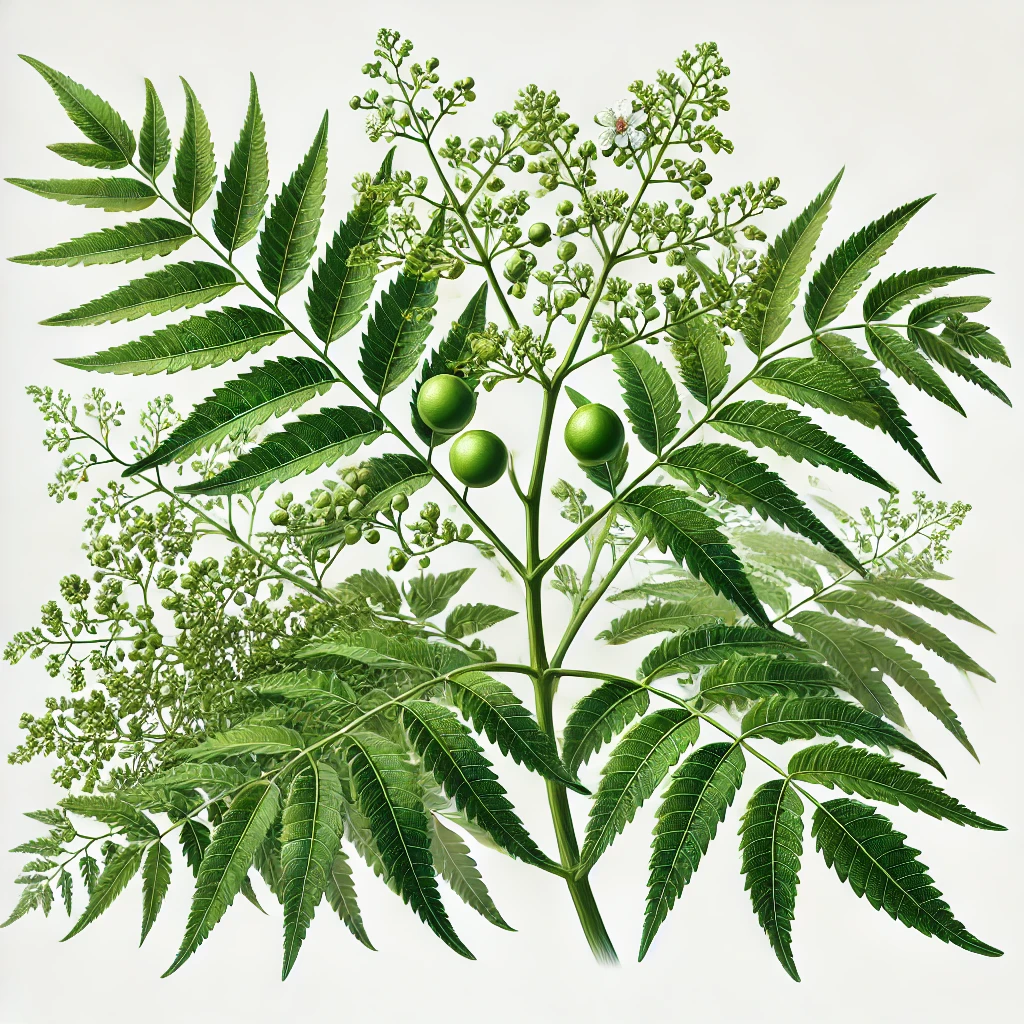
The neem plant is a powerful natural remedy with numerous health benefits, as validated by studies and centuries of use. Some of its main benefits include:
-
Antimicrobial and Antiseptic Properties
Neem’s rich content of bioactive compounds such as nimbin, azadirachtin, and nimbolide offers potent antimicrobial properties. Research has shown that neem can inhibit bacterial and fungal growth, making it an effective natural antiseptic useful in skincare products, wound care, and oral hygiene solutionsnti-inflammatory and Pain Relief**
Neem is known to alleviate inflammation and reduce pain. Its anti-inflammatory properties make it effective for managing skin conditions like eczema and acne, as well as easing joint pain in conditions like arthritis . -
Blood Sugar Levels Control
Studies have demonstrated neem’s potential in regulating blood sugar levels. Compounds in neem improve insulin sensitivity and may lower fasting blood glucose, offering a natural supplement for diabetes management .
-
Supports lth
Neem has immunomodulatory effects, helping the body fend off infections by enhancing immune responses. Its antioxidants, particularly flavonoids, scavenge free radicals, which supports cellular health and helps prevent disease .
Benefits of Neem leaves
They are particularly prized for their therapeutic properties and are often used in teas, powders, or oils. Here are some specific benefits of neem leaves:
-
Skin Health
Neem leaves are used to treat a variety of skin conditions such as acne, eczema, and psoriasis due to their antibacterial and anti-inflammatory effects. Studies show that applying neem leaf paste can reduce skin infections and alleviate redness and swelling .
-
Detoxification
Neem known for their detoxifying properties, helping to cleanse the liver and purify the blood. Regular use can reduce toxin levels in the body, contributing to better skin, enhanced immunity, and improved digestion .
-
Oral Health
In traditional preem leaves are used to improve oral hygiene, as chewing on fresh leaves can reduce bacteria in the mouth. Its antibacterial properties also help prevent gum diseases and bad breath .
Benefits of Neem Powder
Neem powder, made by grinding neem leaves, offers a concentrated form of neem’s health benefits. Here’s how neem powder can support health:
-
Improves Digestive Health
Neem powder can alleviate digestive issues such as ulcers and indigestion. Research suggests that its antimicrobial properties may help balance gut bacteria and reduce the occurrence of gastric infections .
-
Supports Hair Health
Neem powder is often addedreatments for dandruff and scalp infections due to its antifungal properties. Regular use can promote healthier, shinier hair while reducing scalp irritation and dryness .
-
Blood Purification and Detox
As a powerful detoxifying a powder can help purify the blood and support the body’s natural cleansing processes, potentially reducing inflammation and promoting overall wellness .
Benefits of Drinking Boiled Neem Leaf Water
Boiled neem leaf water is a tonic known for its numerous internal health benefits:
-
Boosts Immunity
Drinking neem leaf water can help strengthen immunity due to its high antioxidant content. Studies have found that regular consumption can help the body resist infections more effectively.
-
Aids Digestion and Detox
Neem leaf water aids digestion and promotes liver acilitating the detoxification process. It can help flush out impurities, regulate bile, and may alleviate digestive discomfort.
-
Blood Sugar Control
Consuming boiled neem water regularly has been linked to blood suon, making it beneficial for individuals with prediabetes or diabetes.
Uses of Neem Fruit
Neem fruit contains seeds from which neem oil is extracted—a valuable product with pplications:
-
Skin and Hair Care
Neem fruit oil is rich in vitamin E and essential fatty acids, making it an ideal moisturizer for dry or aging skin. It also helps treat dandruff and promotes a healthy scalp .
-
Insect Repellent and Pesticide
Neem oil, derived from neem seeds, is a natural insect repellent and pestisafe for humans but toxic to many insects, making it a sustainable choice in organic farming and household pest control .
-
Anti-parasitic
Neem fruit and oil have been used traditionally to treat parasites like lice due to their powerful aic effects .
Neem continues to gain popularity in modern wellness, backed by traditional uses and emerging research. Whether applied topically orrnally, this versatile plant offers natural support for a wide range of health concerns. For anyone seeking an alternative, nature-inspired remedy, neem is a valuable addition to a holistic wellness routine.