Nettle, specifically Urtica dioica (often called “stinging nettle”), has been recognized for centuries for its impressive health benefits. Known for its unique stinging properties, which come from the plant’s tiny hairs that cause a burning sensation when touched, stinging nettle is used in both traditional and modern medicine. Let’s explore how the plant can support health, its specific benefits for women, and who might need to avoid it.
What Is Stinging Nettle Used to Treat?
Stinging nettle has a long history in herbal medicine, with uses spanning from inflammation relief to joint pain and allergy support. Known as Urtica dioica in botanical and scientific communities, nettle has compounds that may reduce inflammation, alleviate pain, and even lower blood sugar levels.
Research suggests that it may help with conditions such as arthritis by reducing inflammatory markers, making it beneficial for those with chronic joint pain inflammation, stinging nettles are also used for allergies. The plant may act as a natural antihistamine, potentially reducing the severity of seasonal allergy symptoms like sneezing and itching. A study published in Planta Medica found that nettle extracts could help decrease histamine levels, providing relief from allergy symptoms .
Nomeopathy: Urtica Urens
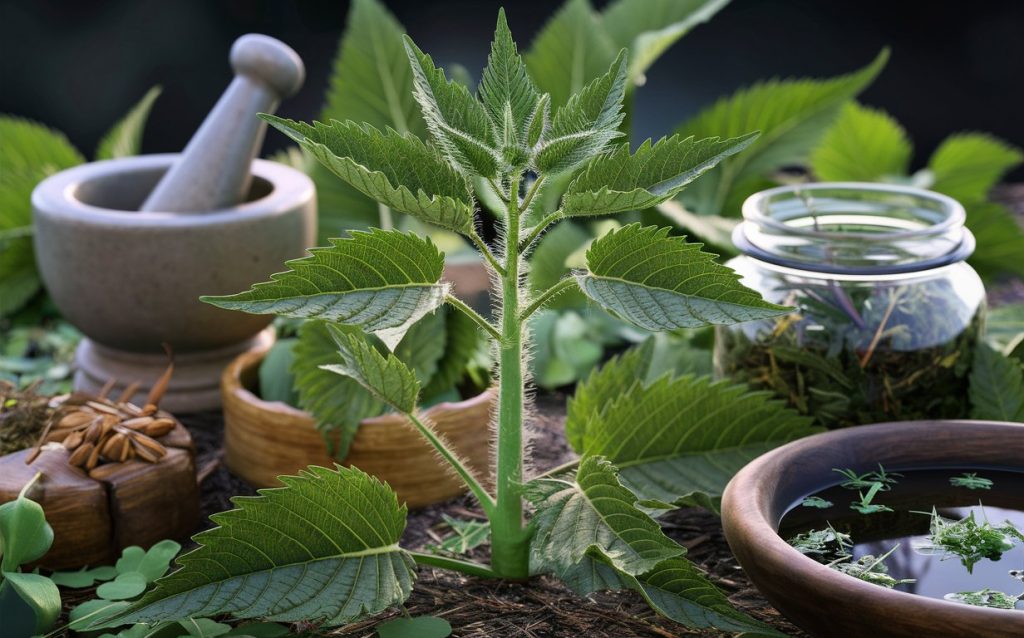
In homeopathy, stinging nettle is referred to as Urtica urens. Homeopathic uses of nettle aim to treat conditions involving skin issues, burns, and rashes, often related to the plant’s characteristic “sting.” In this context, Urtica urens is commonly prescribed to address skin eruptions, itchy rashes, and hives, mirroring how contact with the nettle plant itself often causes temporary skin irritation.
How to take Nettle?
| Form of Nettle | Purpose | Dosage | Timing | How to Take |
|---|---|---|---|---|
| Nettle Leaf Tea | Anti-inflammatory, allergy relief, digestive health | 1-2 cups (each cup contains 1-2 tsp dried nettle) | Once or twice daily (morning and/or afternoon) | Steep dried nettle leaves in hot water for 5-10 minutes, strain, and drink. Optional: add honey for taste. |
| Nettle Leaf Capsules | Joint health, immune support | 300-600 mg, 2-3 times per day | With meals | Swallow capsule with water. Check product labels for specific dosages. |
| Nettle Leaf Extract (Liquid) | Hormone balance, energy boost | 1-2 mL (30-60 drops) | Once or twice daily | Dilute extract in a small glass of water or take directly as per product instructions. |
| Nettle Root Capsules or Extract | Prostate health, testosterone support | 300-500 mg daily | In the morning | Take with water. Choose between capsule or extract form as preferred. |
| Fresh Nettle Leaf (Cooked) | Nutrient support, anemia | 1/2-1 cup cooked nettle | As part of a meal | Boil or steam fresh nettle leaves to neutralize the sting, then eat as a vegetable (e.g., in soups, stews). |
| Nettle Powder | Nutritional supplement, general wellness | 1 tsp mixed in water or smoothie | Once daily (morning) | Stir powder into water, juice, or a smoothie. Start with a lower dose and increase if needed. |
| Topical Nettle Cream or Ointment | Eczema, skin irritation relief | Apply as directed on product | 1-2 times daily | Apply to affected skin areas, avoiding open wounds. Test on a small area first for sensitivity. |
Note:
- Dosages may vary based on individual needs, age, and health conditions.
- Avoid using nettle during pregnancy unless recommended by a healthcare provider.
- If using for allergies or seasonal support, begin usage a few weeks before peak allergy season for best results.
Other Medicinal Uses of Nettle
Stinging nettle has a wide range of medicinal uses beyond those covered above. Here are ten additional ways the plant is traditionally used:
- Anemia Support: its high iron content may help combat anemia.
- Urinary Health: Often used for urinary tract infections, it can support bladder function.
- Prostate Health: Particularly the root, which is used to manage benign prostatic hyperplasia (BPH) in men.
- Skin Health: Applied topically, nettle can soothe irritated skin and reduce redness.
- Respiratory Health: it may assist with respiratory conditions due to its anti-inflammatory effects.
- Eczema Relief: Used in creams or ointments, it helps calm the skin, useful for conditions like eczema.
- Immune Support: With a range of antioxidants, the plant can bolster immune function.
- Bone Health: it’s calcium and magnesium support strong bones.
- Hair Growth: Some people use it to encourage hair growth and strengthen hair.
- Digestive Aid: it supports healthy digestion and can help reduce bloating.
Benefits of Nettle Leaf

The nettle leaf is packed with vitamins A, C, and K, as well as iron, calcium, and potassium, making it a nutrient-rich choice for herbal supplementation. Consuming green nettle leaves—whether in teas, tinctures, or as an extract—can offer a variety of health benefits:
- Anti-inflammatory Properties: leaf has natural anti-inflammatory effects, making it a helpful supplement for those dealing with chronic inflammation or joint pain.
- Antioxidant Support: Rich in antioxidants, stinging nettle helps protect cells from oxidative stress, which may lower the risk of chronic diseases.
- Digestive Health: it can support a healthy digestive system by reducing bloating and acting as a mild diuretic.
- Blood Sugar Regulation: Some studies indicate that it may help regulate blood sugar levels, particularly beneficial for those managing diabetes .
Benefits oor Women
Nettle offers several benefits that are particularly supportive for women’s health. For example, nettle is commonly used to manage menstrual symptoms, including cramps and bloating, due to its anti-inflammatory and mild diuretic properties. Its rich iron content is beneficial for women who experience heavy menstruation, as iron helps replenish blood levels and reduce fatigue.
Furthermore, green nettle’s high nutrient profile, especially in calcium and magnesium, can support bone health, an important consideration for women as they age and are at higher risk of osteoporosis. This plant may also help balance hormones and support adrenal health, providing an additional benefit for women managing stress and hormonal fluctuations.
Does Nettle Root Increase Testosterone?
There is some evidence suggesting that nettle root may have an effect on hormone levels, particularly in men. The root is thought to prevent testosterone from binding to a protein called sex hormone-binding globulin (SHBG), which could make testosterone more available in the body. While this may seem to suggest that nettle root can increase testosterone, the effect is indirect and does not necessarily increase testosterone production. More research is needed to confirm these effects, but its root may be worth considering for men seeking support for hormonal health .
Who Should Avoid Nele
stinging nettle offers numerous health benefits, it may not be suitable for everyone. Certain people should avoid or be cautious with nettle supplements:
- Pregnant Women: Nettle can stimulate uterine contractions, so pregnant women are advised to avoid it.
- Individuals on Blood Thinners: Due to its high vitamin K content, which affects blood clotting, it can interact with blood-thinning medications like warfarin.
- People with Kidney or Heart Issues: Since thisplant acts as a diuretic, it can alter fluid levels in the body and should be used cautiously by those with kidney or heart conditions.
- Allergy Sufferers: Although it can help with seasonal allergies, some individuals might have an allergic reaction to nettle itself, especially when handling the plant, as the nettle plant sting can cause skin irritation.
From its nutrient-rich leaves to its potentially testosterone-supporting roots, stinging nettle (Urtica dioica) offers a versatile range of health benefits. It’s widely used for inflammation, women’s health, and more, while also supporting everyday health through its wealth of vitamins and minerals. However, it’s essential to consult with a healthcare provider if you have specific health conditions or are on certain medications. As we learn more through ongoing research, nettle continues to be a powerful natural option in maintaining overall well-being.
Nettle in Cosmetology: A Natural Solution for Healthy Skin and Hair
It is a mighty natural ingredient with a long history of use in skin and hair care. With its rich vitamin profile of A, C, K and several B vitamins it’s a great option for those looking for plant based solutions to improve their appearance. Here are some modern applications:
Soothing Skin Irritation
The anti inflammatory properties of nettle reduce redness and swelling making it great for eczema or acne. The antioxidants protect the skin from environmental stressors for a more even complexion.
Promoting Hair Growth
Rich in silica and sulfur nettle promotes healthy hair growth. It strengthens the hair follicles and prevents hair thinning making it a great addition to shampoos and serums for hair revival.
Fighting Dandruff
The scalp benefits from the anti fungal properties of nettle which reduces dandruff and balances the scalp. Using nettle infused products regularly will leave hair looking shinier and more manageable.
Anti-Aging Effects
The high amount of antioxidants in it fights free radicals which are responsible for premature skin aging. Using nettle in face creams or serums will keep the skin firm and youthful by stimulating collagen production.
Incorporating this versatile plant into daily skincare and haircare routines can bring long-term benefits, offering natural solutions for many common cosmetic concerns.
3 Step-by-Step Nettle Recipes for Salon-Quality Skin and Hair at
1. Nettle Hair Rinse for Stronger, Healthier Hair
Ingredients:
- 1 cup dried nettle leaves (or fresh leaves)
- 4 cups water
Instructions:
- Prepare the Nettle Infusion: Boil 4 cups of water in a pot. Once boiling, add the dried plant leaves (or fresh leaves) to the water.
- Simmer and Steep: Reduce the heat and let the mixture simmer for 15–20 minutes. This allows the beneficial properties of nettle to infuse into the water.
- Strain and Cool: After steeping, strain the mixture and allow it to cool. Once cooled, pour the nettle infusion over your hair after shampooing. Leave it on for a few minutes before rinsing with water. Use this rinse once a week to strengthen and nourish your hair.
2. Nettle Facial Steam for Skin Detoxification
Ingredients:
- 2 tablespoons dried nettle leaves (or fresh leaves)
- 4 cups hot water
- A towel
Instructions:
- Boil Water: Boil 4 cups of water in a pot. Once boiling, add the dried nettle leaves (or fresh leaves).
- Steam Your Face: Place your face above the steaming water, ensuring you don’t get too close to avoid burns. Drape a towel over your head to trap the steam, and let the vapors open up your pores for 5–10 minutes.
- Rinse and Moisturize: After steaming, rinse your face with cool water to close the pores, then follow with your usual moisturizer. Use this steam once a week for a refreshing and detoxifying effect on your skin.
3. Nettle-Infused Face Mask for Soothing Skin
Ingredients:
- 1 tablespoon dried nettle leaves (or fresh leaves)
- 2 tablespoons plain yogurt
- 1 teaspoon honey
Instructions:
- Prepare the Nettle Infusion: Boil 1/2 cup of water and steep the leaves for 10 minutes. Strain the leaves and allow the infusion to cool.
- Mix the Mask Ingredients: In a bowl, combine 2 tablespoons of yogurt, 1 teaspoon of honey, and 1 tablespoon of the cooled nettle infusion. Mix well until you have a smooth paste.
- Apply and Relax: Apply the mask to your face and leave it on for 15–20 minutes. Rinse off with warm water and follow with a moisturizer. This soothing mask helps calm irritated skin and provides a natural glow.
History of use nettle in medicine and cosmetology
For centuries, nettle has been valued for its numerous health benefits. Ancient civilizations, including the Greeks and Romans, recognized its healing properties, using it for a variety of ailments such as joint pain, urinary issues, and skin conditions. The plant was often applied in poultices or brewed into teas to relieve inflammation and promote circulation.
In the realm of medicine, nettle’s use expanded through the Middle Ages, where it was considered a powerful herb for treating everything from arthritis to respiratory problems. Its high nutrient content, including vitamins A, C, and K, as well as minerals like iron and calcium, made it a popular remedy in herbal traditions across Europe and Asia.
As time progressed, its applications also found a place in cosmetology. Nettle was embraced in beauty treatments for its ability to stimulate hair growth, reduce dandruff, and soothe irritated skin. The plant’s rich blend of antioxidants and anti-inflammatory compounds made it a valuable addition to lotions, hair rinses, and face masks. Today, its legacy continues, with modern skincare products often incorporating nettle extracts for their restorative properties.
10 Health Benefits of Nettle Tea
Nettle tea has been used for centuries as a natural remedy, known for its numerous health benefits. This herbal infusion, made from the leaves of a plant that grows in various parts of the world, offers a range of therapeutic properties. Packed with vitamins, minerals, and antioxidants, nettle tea can support various aspects of health, from boosting immunity to promoting better skin. Here are 10 key health benefits of consuming this refreshing, nutrient-rich tea.
1. Supports Immune Function
One of the primary benefits of drinking nettle tea is its ability to support and strengthen the immune system. The tea is rich in vitamin C, which plays a vital role in stimulating white blood cells and promoting the body’s natural defense mechanisms. Consuming it regularly can help reduce the risk of infections and illnesses, particularly during cold and flu season.
2. Promotes Healthy Skin
Nettle tea can also help maintain healthy, glowing skin. The antioxidants found in the plant help fight free radicals, which contribute to premature aging and skin damage. Drinking this tea can reduce the appearance of wrinkles and blemishes. Additionally, its anti-inflammatory properties make it a helpful remedy for conditions like acne, eczema, and psoriasis, helping to calm irritated skin and reduce redness.
3. Supports Joint Health
People with joint pain, such as those suffering from arthritis, may find relief from nettle tea. The plant has been traditionally used to reduce inflammation in the joints and may alleviate symptoms such as stiffness and discomfort. Some studies suggest that it helps block the action of inflammatory compounds in the body, potentially reducing pain and swelling. Drinking this tea regularly may assist in managing conditions like osteoarthritis and rheumatoid arthritis.
4. Aids in Detoxification
Nettle tea is known for its detoxifying properties. It acts as a natural diuretic, encouraging the elimination of toxins and waste from the body through increased urine production. This helps the kidneys function more effectively and may contribute to a cleaner, healthier body. Detoxification not only aids in removing harmful substances but also helps improve energy levels and overall vitality.
5. Promotes Digestive Health
The tea can support a healthy digestive system by improving gut health and relieving symptoms of bloating, constipation, and indigestion. Nettle is known to have mild laxative effects that can help promote regular bowel movements. It also contains compounds that soothe the digestive tract, reducing irritation and supporting the absorption of nutrients.
6. Reduces Allergies
For individuals who suffer from seasonal allergies, nettle tea can provide relief. It contains compounds that may help block histamines, which are responsible for allergy symptoms such as sneezing, runny nose, and itchy eyes. Drinking this tea may reduce the severity of allergic reactions, making it a natural alternative to over-the-counter antihistamines for some individuals.
7. Improves Circulation
Another benefit of drinking this herbal tea is its ability to improve blood circulation. Nettle has been shown to support healthy circulation by enhancing the blood flow, which is essential for delivering oxygen and nutrients throughout the body. Improved circulation can help lower the risk of cardiovascular issues, promote faster recovery after exercise, and support overall heart health.
8. Regulates Blood Sugar Levels
Maintaining balanced blood sugar levels is important for overall health, especially for individuals at risk of developing diabetes. Nettle tea may help regulate blood sugar by improving insulin sensitivity and reducing blood sugar spikes. Some studies have indicated that consuming the tea regularly can help stabilize glucose levels, making it a beneficial addition to the diet for those looking to manage or prevent type 2 diabetes.
9. Enhances Urinary Health
Nettle tea is often used to support urinary tract health. It can help prevent and treat conditions such as urinary tract infections (UTIs) and bladder inflammation. The tea’s diuretic properties encourage frequent urination, which can help flush bacteria from the urinary tract. Additionally, nettle may assist in managing symptoms of benign prostatic hyperplasia (BPH), a condition that affects the prostate in men and can cause urinary difficulties.
10. Boosts Energy Levels
If you’re feeling fatigued or sluggish, nettle tea may help give you a natural energy boost. It is rich in essential vitamins and minerals, including iron, which plays a key role in maintaining healthy red blood cells and preventing anemia. Regular consumption of this tea can help improve energy levels, reduce feelings of fatigue, and enhance overall well-being. Whether it’s for a morning pick-me-up or an afternoon refreshment, nettle tea can provide the stamina needed to get through your day.
Conclusion
Nettle tea offers a wealth of health benefits that can improve many aspects of your well-being. From boosting immunity and detoxifying the body to improving joint health and supporting digestion, this herbal infusion is a powerhouse of nutrients. The antioxidants and anti-inflammatory properties of the tea make it an excellent choice for those looking to enhance their skin, relieve allergy symptoms, or promote better circulation.
With so many potential health benefits, nettle tea is an easy and natural addition to any wellness routine. Whether you choose to sip it for its refreshing taste or as a remedy for specific health issues, this tea can be a versatile and valuable part of your daily habits.