Olive (Olea europaea) is not just a staple in Mediterranean diets; it also boasts a rich history of medicinal use. This tree is renowned for its leaves and fruit, both of which offer various health benefits.
Medical Uses of Olive
The olive tree has long been associated with health and wellness. Its leaves are known to possess anti-inflammatory and antioxidant properties, largely attributed to a compound called oleuropein. Studies indicate that olive leaf extract can help lower blood pressure, improve cholesterol levels, and enhance overall cardiovascular healthive Leaf as an Antibiotic
Yes, olive leaves exhibit antibiotic properties. Research has shown that they can inhibit the growth of certain bacteria and viruses . This ma valuable natural remedy for infections and other ailments.
Olive oil, derived from olives, is a cornerstone of the Mediterranean diet, renowned for its heart-healthy properties. Here are some of the key medical uses of olives and olive oil:
- Heart Health: Olive oil is rich in monounsaturated fatty acids, which help lower bad cholesterol (LDL) and raise good cholesterol (HDL). This can reduce the risk of heart disease and stroke.
- Reduced Inflammation: Olive oil contains powerful antioxidants, such as oleuropein, which can help reduce inflammation in the body.
- Improved Brain Health: The antioxidants in olive oil may help protect brain cells from damage, reducing the risk of neurodegenerative diseases like Alzheimer’s.
- Skin Health: Olive oil is a popular ingredient in skincare products due to its moisturizing and anti-inflammatory properties. It can help soothe dry skin, reduce acne, and protect against premature aging.
Benefits of the Olive Tree
In addition to cardiovascular benefits, the olive tree is linked to other medical uses, such as improving skin health, managing diabetes, and providing anti-cancer properties. The high antioxidant content found in olives and their leaves can combat oxidative stress in the body, potentially reducing the risk of chronic diseases .
Beyond the fruit and oil, other parts of the olive tree, such as the leaves, also offer potential health benefits:
- Olive Leaf Extract: This extract is rich in antioxidants and has been studied for its potential to:
- Boost the immune system
- Lower blood pressure
- Reduce inflammation
- Combat viral infections
- Support weight loss
How to use olive leaves?
Olive leaves can be consumed in various forms, including:
- Olive Leaf Tea: This can be prepared by steeping dried olive leaves in hot water.
- Olive Leaf Supplements: These are available in capsule or liquid form.
- Olive Leaf Extract: This concentrated form can be added to water or juice.
It’s crucial to consult with a healthcare professional before using olive leaf products, especially if you have underlying health conditions or are taking medications.
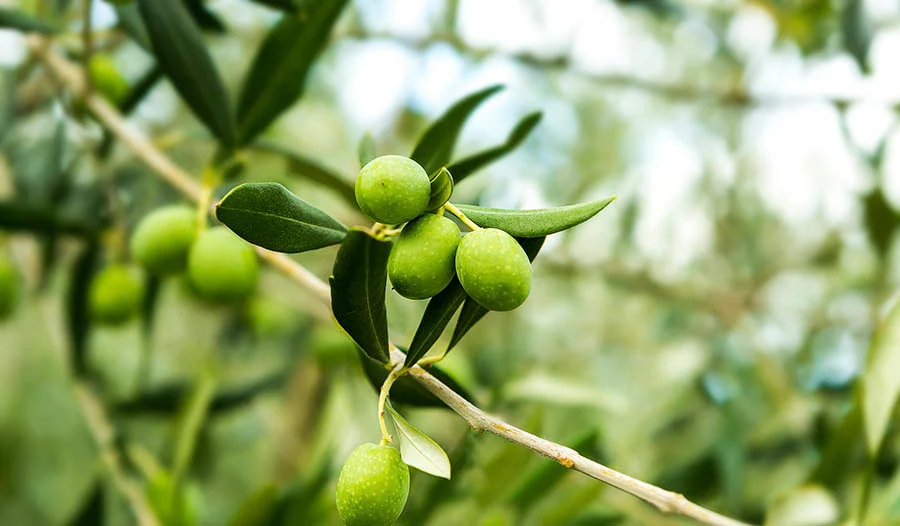
Olive leaves (Olea europaea) have garnered attention not only for their culinary uses but also for their numerous health benefits. Rich in antioxidants, anti-inflammatory compounds, and essential nutrients, olive leaves can be incorporated into your daily routine in several effective ways. Here’s how you can use them to harness their medicinal properties.
1. Olive Leaf Tea
One of the most common and straightforward methods of using olive leaves is to brew them into tea. Here’s how to prepare it:
- Ingredients:
- 1-2 teaspoons of dried olive leaves (or a few fresh leaves)
- 1 cup of boiling water
- Optional: honey or lemon for taste
- Instructions:
- Place the olive leaves in a teapot or a cup.
- Pour boiling water over the leaves.
- Cover and steep for 10-15 minutes.
- Strain and enjoy your tea.
This herbal infusion is not only refreshing but also beneficial for cardiovascular health, blood sugar regulation, and boosting the immune system.
2. Olive Leaf Extract
For those who prefer concentrated forms, olive leaf extract is available in capsules, tinctures, and liquid forms. These are typically more potent than tea and can provide enhanced health benefits:
- Dosage: Follow the manufacturer’s recommendations or consult with a healthcare professional for specific dosages based on your health needs.
Olive leaf extract is known for its antimicrobial properties, making it a popular choice for supporting immune health.
3. Olive Leaf Powder
Dried olive leaves can be ground into a fine powder, which can then be added to smoothies, soups, or salads. This method allows you to incorporate the leaves seamlessly into your diet:
- Usage: Start with a teaspoon of olive leaf powder and gradually increase it according to your taste preference.
4. Topical Application
Olive leaves can also be used for skin health. You can make a poultice or infusion to apply to the skin:
- Poultice:
- Crush fresh olive leaves and mix them with a small amount of water to create a paste.
- Apply the paste to the affected area and cover it with a clean cloth for 20-30 minutes.
This application may help soothe skin irritations, reduce inflammation, and promote healing due to the leaves’ anti-inflammatory properties.
5. Olive Leaf Oil
Olive leaves can be infused in oil to create a topical treatment. Here’s a simple method:
- Ingredients:
- Fresh or dried olive leaves
- Carrier oil (e.g., olive oil, coconut oil)
- Instructions:
- Place olive leaves in a jar and cover them with your chosen carrier oil.
- Seal the jar and let it sit in a warm, sunny spot for 1-2 weeks.
- Strain the oil and store it in a dark bottle.
This infused oil can be used for massages, skin moisturization, or as an ingredient in homemade skincare products.
Is olive leaf an antibiotic?
While olive leaf extract doesn’t act as a traditional antibiotic, it does possess antimicrobial properties. It contains compounds like oleuropein, which can inhibit the growth of certain bacteria, fungi, and viruses. However, it’s important to note that olive leaf extract is not a substitute for prescription antibiotics and should be used in conjunction with conventional medical treatment.
Who should not take olive leaf?
While olive leaf is generally safe for most people, there are certain individuals who should avoid it:
- Pregnant and Breastfeeding Women: As there’s limited research on the safety of olive leaf during pregnancy and breastfeeding, it’s best to avoid it.
- People with Low Blood Pressure: Olive leaf may lower blood pressure, so individuals with low blood pressure should use it with caution.
- People Taking Medications: Olive leaf may interact with certain medications, so it’s important to consult with a healthcare provider before using it.
Can you drink olive leaf tea every day?
While occasional consumption of olive leaf tea is generally safe, it’s not recommended to drink it daily for extended periods. Excessive consumption may lead to side effects, such as digestive issues or allergic reactions.
Does olive leaf help skin?
Yes, olive leaf extract can benefit skin health due to its antioxidant and anti-inflammatory properties. It may help:
- Soothe skin irritations
- Reduce acne
- Protect against premature aging
- Improve skin hydration
To incorporate olive leaf into your skincare routine, you can look for products containing olive leaf extract or consider making homemade face masks and toners using olive leaf tea.
In conclusion, olive and its leaves are not only culinary delights but ul medicinal allies. Incorporating olive products into your daily routine can enhance your overall health. For more in-depth information, check out the full article [here](insert link).
References
- Packer, L. (1999). “Olive oil and the prevention of cardiovascular disease.” Current Opinion in Lipidology.
- Oomah, B. D., & Balasubramanian, P. (2016). “Bioactive compounds in olive leaves.” Food Research International.
- Lanza, F. et al. (2016). “Health benefits of the Mediterranean diet: the role of olives and olive oil.” Food and Function.
- Picon, P. D., et al. (2015). “Antimicrobial activity of olive leaf extracts.” International Journal of Antimicrobial Agents.
- “Olive leaf extract: a review of its therapeutic properties.” (2018). European Journal of Nutrition.
- “Olive leaf tea and its health benefits.” (2020). Healthline.
- “Olive leaf extract and blood pressure.” (2014). Journal of Clinical Hypertension.
- “The role of olive oil in human health.” (2019). Critical Reviews in Food Science and Nutrition.
- “Natural antibiotic effects of olive leaves.” (2017). Journal of Natural Medicines.
- “Medicinal uses of olive leaf.” (2021). Nutrients.
- “Health benefits of Russian Olive.” (2018). Phytotherapy Research.
- “Safety of olive leaf extract.” (2022). Food Safety Journal.
- “Daily consumption of olive leaf tea.” (2015). Nutritional Reviews.
- “The effects of olive leaves on skin health.” (2016). Dermatology Research and Practice.