Parsley (Petroselinum crispum) is not only a popular culinary herb but also a powerhouse of nutrients with numerous health benefits. This aromatic herb has been used for centuries in traditional medicine and is gaining recognition in modern practices for its potential therapeutic effects. Here’s a closer look at parsley’s multifaceted uses in medicine, cosmetology, and cooking. It is a staple in many cuisines around the world. Beyond its culinary uses, parsley offers a range of health benefits
Parsley, scientifically known as Petroselinum crispum, is a widely used herb that belongs to the Apiaceae family. It is native to the Mediterranean region and is commonly used in culinary applications as well as for its numerous health benefits.
Nutritional Profile
It is a nutrient-dense herb, rich in essential vitamins and minerals:
- Vitamins: High in vitamins A, C, K, and E.
- Minerals: Contains potassium, calcium, iron, and magnesium.
- Fiber: Provides dietary fiber that supports digestive health.
Health Benefits
Parsley offers various health benefits due to its rich composition of antioxidants, vitamins, and minerals:
- Antioxidant Properties: it is loaded with antioxidants such as flavonoids and carotenoids, which help combat oxidative stress and reduce cellular damage caused by free radicals.
- Immune System Support: Its high vitamin C content strengthens the immune system, providing protection against infections.
- Digestive Health: The fiber in parsley aids digestion, helps prevent constipation, and stimulates the secretion of digestive juices.
- Diuretic Effects: acts as a natural diuretic, promoting kidney function and aiding in the elimination of excess fluids from the body.
- Bone Health: Rich in vitamin K and calcium, it contributes to bone density and strength, reducing the risk of fractures.
- Cancer Prevention: Antioxidants in parsley may lower the risk of certain cancers by reducing oxidative stress and inhibiting cancer cell growth.
- Eye Health: Contains carotenoids like lutein and zeaxanthin that are beneficial for vision and may help prevent age-related macular degeneration.
- Skin Protection: The antioxidants in parsley can protect the skin from UV damage and promote healthy skin by supporting collagen production.
- Blood Sugar Regulation: it may help balance blood sugar levels, making it beneficial for individuals with insulin resistance or diabetes.
- Freshens Breath: Due to its high chlorophyll content, the herb can act as a natural breath freshener.
Culinary Uses
Parsley is versatile in cooking:
- Used fresh or dried in salads, soups, sauces, and marinades.
- Commonly garnished on dishes for added flavor and nutrition.
- Salads: it is a popular garnish for salads, adding a fresh, herbaceous flavor.
- Soups and stews: It can be added to soups and stews to enhance their flavor.
- Sauces: it is often used to flavor sauces, such as pesto and chimichurri.
- Garnishes: It is a popular garnish for many dishes, including pasta, meat, and fish.
How to Use Parsley
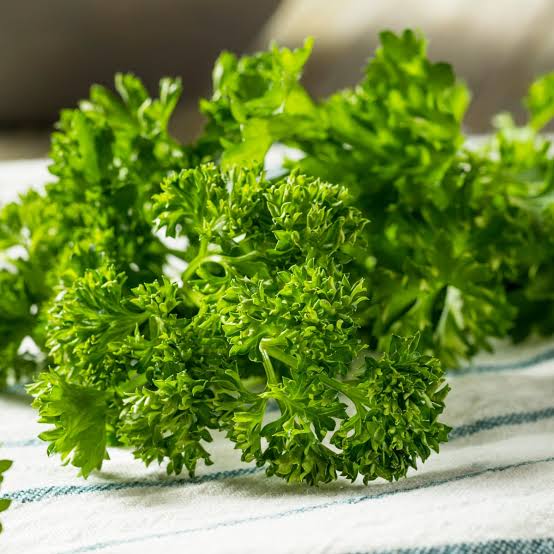
Parsley can be used fresh or dried.
- Fresh Parsley:
- Harvest fresh leaves when the plant is in full bloom.
- Use fresh in salads, sauces, and other dishes for a more intense flavor.
- Dried Parsley:
- Dry leaves by hanging them upside down in a warm, dry place.
- Store dried herb in an airtight container in a cool, dark place.
How Does Parsley Support Eye Health?
Parsley is rich in vitamins A, C, and K, which are essential for maintaining healthy vision. Vitamin A is particularly crucial as it helps to prevent night blindness and supports overall eye health by protecting the retina. Additionally, antioxidants found in this herb, such as flavonoids, help reduce oxidative stress in the eyes, potentially lowering the risk of age-related macular degeneration (AMD). Including fresh herb in your diet can thus contribute to better eye health and longevity.
Can Parsley Help in Reducing Cancer Risk?
Research suggests that it may have cancer-fighting properties due to its high levels of antioxidants, particularly apigenin and flavonoids. These compounds help combat oxidative stress and inflammation, which are linked to the development of cancer. Studies have shown that apigenin may inhibit the growth of cancer cells and promote apoptosis (programmed cell death) in tumors, particularly in breast and colorectal cancers. Regular consumption of parsley can be a simple yet effective way to support cancer prevention strategies.
What Are the Benefits of Parsley Juice?
Parsley juice is a concentrated source of vitamins and minerals, making it a nutritious addition to your diet. Drinking parsley juice may offer numerous health benefits, including:
- Rich Nutrient Profile: the juice is packed with vitamins A, C, and K, as well as folate and iron.
- Anti-inflammatory Properties: The antioxidants in parsley help reduce inflammation in the body, which can alleviate conditions like arthritis.
- Supports Kidney Health: it has diuretic properties, which can help in flushing out toxins and supporting kidney function. This can be beneficial for those looking to detoxify their bodies.
How Does Parsley Aid in Detoxification?
Parsley is well-known for its detoxifying properties, largely due to its diuretic effects. It helps increase urine production, which can aid in the removal of waste products and excess fluids from the body. Additionally, parsley contains chlorophyll, which may help cleanse the blood and support liver function. Incorporating this green herb into your meals or juices can enhance your body’s natural detoxification processes, promoting overall health.
What Role Does Parsley Play in Digestive Health?
Parsley has been traditionally used to support digestive health. It can help alleviate bloating and gas due to its carminative properties, which aid in soothing the digestive tract. It is also a good source of fiber, which is essential for maintaining a healthy digestive system. Moreover, the herb stimulates the production of digestive enzymes, enhancing nutrient absorption and promoting regular bowel movements. Adding fresh parsley to your dishes can be a simple way to support your digestive health naturally.
Conclusion
Parsley is more than just a garnish; it is a versatile herb with significant health benefits. From supporting eye health and reducing cancer risk to aiding in detoxification and digestive health, it can play a vital role in your wellness routine. Additionally, its culinary uses make it an easy and flavorful addition to a variety of dishes. Whether you consume it fresh, as juice, or in supplements, incorporating parsley into your diet can enhance both your health and your meals.