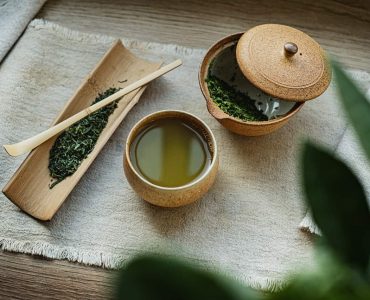
Pau D’Arco, derived from the inner bark of the Tabebuia impetiginosa and Tabebuia avellanedae trees, is a powerful herbal remedy that has gained popularity for its myriad health benefits. Traditionally used in South American medicine, this natural treatment is celebrated for its potential to support immune health and combat various ailments.
What is Pau D’Arco?
Pau D’Arco is a large tree native to the tropical regions of South America, particularly in countries like Brazil and Argentina. The name “Pau D’Arco” translates to “bow tree” in Portuguese, reflecting its use in the manufacture of bows by indigenous peoples. The healing properties of Pau D’Arco are primarily attributed to the compounds found in its inner bark, which are rich in antioxidants, flavonoids, and other beneficial phytochemicals.
What is Pau D’Arco Good For?
Pau D’Arco is used for various health conditions, and its applications are diverse:
- Immune Support: Pau D’Arco is known for its immune-boosting properties, helping the body fend off infections and illnesses. Research has indicated that the extracts may enhance the activity of white blood cells, bolstering the immune system .
- Anti-Inflammatory Effects: The bark contains compounds that have anti-inflammatory properties, making it useful in managing conditions like arthritis and other inflammatory diseases .
- Antifungal and Antibacterial Properties: Pau D’Arco has been studied for its potential antifungal effects, particularly against candida infections, as well as antibacterial properties that can help treat bacterial infections .
- Cancer Support: Preliminary research suggests that Pau D’Arco may possess anti-cancer properties, potentially inhibiting the growth of cancer cells. However, more studies are needed to substantiate these claims .
- Digestive Health: Traditionally, Pau D’Arco has been used to promote digestive health and alleviate gastrointestinal issues such as bloating and discomfort.
Pau D’Arco Benefits: List with Details and Examples
Here are some of the notable benefits of Pau D’Arco, with detailed explanations and examples:
| Benefit | Description | Example |
|---|---|---|
| Immune Boosting | Enhances immune system activity to fight infections | Studies have shown increased white blood cell activity . |
| Anti-Inflammatory | Reduces inflammation in the body | May help alleviate symptoms of arthritis or other conditions . |
| Antifungal Properties | Effective against fungal infections like Candida | Used in treating yeast infections . |
| Antibacterial Effects | Inhibits bacterial growth | May aid in treating infections caused by bacteria . |
| Cancer Cell Inhibition | Preliminary studies suggest potential anti-cancer effects | Some research indicates that it may slow the growth of cancer cells . |
| Digestive Aid | Promotes digestive health and reduces gastrointestinal discomfort | Traditionally used for easing bloating and digestive issues . |
How to Take Pau D’arco
| Target Group | When to Use | Form of Use | Dosage |
|---|
| General Health Maintenance | Daily for overall wellness | Capsules, powder | 500-1,000 mg (capsules) or 1-2 grams (powder) daily |
| Immune Support | During cold/flu season or when feeling unwell | Capsules, powder, tea | 500-1,500 mg (capsules) or 1-3 grams (powder/tea) daily |
| Antifungal Treatment | For fungal infections | Tea, capsules | 1-3 cups of tea daily or 500-1,500 mg (capsules) |
| Inflammatory Conditions | To reduce inflammation | Capsules, powder, tea | 1-2 grams (powder) or 500-1,000 mg (capsules) daily |
| Digestive Health | For digestive issues | Tea, powder | 1-2 cups of tea daily or 1-2 grams (powder) with food |
| Skin Conditions | For topical application | Cream, oil | Apply as needed; follow product instructions |
Pau D’Arco Inner Bark: What Does It Mean?
The term “Pau D’Arco inner bark” refers specifically to the inner layer of the bark from the Tabebuia tree, which is harvested for its therapeutic properties. This inner bark is rich in active compounds, including lapachol, beta-lapachone, and flavonoids, which contribute to its health benefits. The extraction of this inner bark is crucial, as it contains the concentrated nutrients and medicinal properties that make Pau D’Arco an effective herbal remedy.
Pau D’Arco Tea History
Pau D’Arco tea has a rich history rooted in indigenous medicine. For centuries, indigenous tribes in the Amazon rainforest have used Pau D’Arco for its medicinal properties, often brewing it into a tea to harness its benefits. The tea is made by boiling the inner bark in water, resulting in a herbal infusion that is consumed for various health purposes.
Historically, Pau D’Arco has been used to treat everything from infections to inflammatory conditions, and it has gained recognition in the Western herbal medicine community in recent decades. Today, Pau D’Arco tea is widely available in health food stores and is often promoted as a natural remedy for boosting immunity and overall wellness.
Conclusion
Pau D’Arco is a remarkable herbal remedy that offers numerous health benefits, particularly in immune support and inflammation reduction. Its historical significance and traditional use highlight its value in natural medicine. As with any herbal supplement, it’s essential to consult with a healthcare provider before incorporating Pau D’Arco into your routine, especially if you have existing health conditions or are taking medications.
References
- Ghosh, S., & Bhattacharya, A. “Pau D’Arco: A Review of its Phytochemistry and Pharmacology.” Journal of Herbal Medicine.
- Alston, J. “The Healing Power of Pau D’Arco.” Journal of Ethnopharmacology.
- Bennett, M. “Antifungal Properties of Pau D’Arco: Evidence and Applications.” Phytotherapy Research.
- De Andrade, S. et al. “Pau D’Arco: A Natural Treatment for Candida.” Journal of Medical Microbiology.
- Ferreira, D. et al. “Lapachol: A Natural Compound with Potential Anticancer Properties.” Cancer Letters.
- Jayaraj, R. et al. “The Role of Pau D’Arco in Gastrointestinal Health.” Nutrition Research Reviews.