Psyllium refers to the seeds and husks derived from the Plantago ovata plant, a shrub-like herb that grows worldwide but is primarily cultivated in India. The outer husks of the seeds are rich in soluble fiber, making psyllium a popular natural remedy for digestive issues. It’s most commonly found in supplement form as psyllium husk or psyllium husk powder.
Soluble fiber, derived from the husks of Plantago ovata seeds, offers a wide range of health benefits. When consumed, this type of fiber absorbs water in the digestive tract, forming a gel-like substance. This process helps soften stools, promote regular bowel movements, and increase stool bulk, which is particularly helpful for digestive health. Research has shown that this natural supplement can be effective in treating conditions such as chronic constipation and irritable bowel syndrome (IBS).
In addition to its role in digestion, this fiber has been studied for its heart health benefits. It binds to cholesterol and bile acids in the gut, aiding their excretion and helping lower LDL cholesterol levels. Regular intake of this fiber can support heart health by reducing risk factors like elevated blood pressure and triglycerides.
For those managing blood sugar levels, this soluble fiber can be beneficial due to its ability to slow the absorption of carbohydrates. Studies have shown that it helps control blood sugar spikes and improves insulin sensitivity, making it a valuable addition for individuals with type 2 diabetes.
Another key advantage is its impact on weight management. By absorbing water and expanding in the stomach, this fiber promotes a feeling of fullness, which may help reduce appetite and support healthy weight loss efforts. It also functions as a prebiotic, feeding beneficial gut bacteria that play a crucial role in immune function and overall gut health.
From supporting colon health to reducing the risk of cardiovascular issues, the husk-derived soluble fiber is a versatile and effective addition to a balanced diet.
Psyllium Fiber and Its Benefits
Psyllium fiber, derived from the husks of the seeds of Plantago ovata, is a powerful soluble fiber that absorbs water in the intestines, forming a gel-like substance. This property makes it highly beneficial for various health concerns. Below is an expanded list of benefits:
- Digestive Health: it helps regulate bowel movements by softening stools and preventing both constipation and diarrhea. It can relieve symptoms of irritable bowel syndrome (IBS) and promote overall gut health by balancing stool consistency.
- Cholesterol Reduction: Soluble fiber like psyllium binds to cholesterol and bile acids in the gut, facilitating their excretion. This can lower LDL (bad cholesterol) and improve overall heart health, as proven by numerous studies.
- Blood Sugar Control: the herb slows the absorption of carbohydrates, which helps control blood sugar spikes. This is particularly beneficial for people with type 2 diabetes, improving glycemic control and insulin sensitivity.
- Weight Management: it contributes to a feeling of fullness by absorbing water and expanding in the stomach. This satiety effect helps reduce appetite and caloric intake, supporting weight management efforts.
- Heart Health: Regular intake of psyllium has been shown to lower blood pressure, reduce the risk of cardiovascular diseases, and support heart function by improving lipid profiles.
- Lowering Triglycerides: Some studies suggest that psyllium can help reduce triglycerides, another key factor in heart disease, when taken regularly over time.
- Colon Health: Psyllium may reduce the risk of colon cancer by facilitating regular bowel movements and reducing the exposure of the colon to potentially harmful substances in the stool.
- Supports Healthy Gut Microbiome: As a prebiotic, it nourishes beneficial bacteria in the gut, which plays a key role in immune function and overall digestive health.
- Improved Absorption of Nutrients: it promotes better absorption of nutrients in the small intestine by regulating the passage of food through the digestive tract.
- Managing Hemorrhoids: For individuals with hemorrhoids, it helps soften stools and ease bowel movements, reducing the strain that can worsen the condition.
- Cleansing Effect: Psyllium’s ability to bind with waste and toxins aids in gentle detoxification of the digestive system, promoting overall health.
- Easing Inflammatory Bowel Disease (IBD): While it should be used with caution in certain IBD cases, it can sometimes be used to manage symptoms like diarrhea and cramping.
What is Psyllium Husk?
husk is the outer covering of the psyllium seed, where most of the fiber is concentrated. It is often ground into powder form and used as a supplement for its high soluble fiber content. Psyllium husk is a gentle laxative that works by absorbing water, swelling, and creating bulk to stimulate bowel movements. It’s commonly used in dietary supplements, such as Metamucil, to support digestive health.
Psyllium Husk Fiber for Constipation
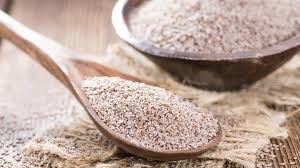
One of the most common uses of psyllium husk is for relieving constipation. Psyllium husk works by increasing water retention in the stool, making it softer and easier to pass. It is especially useful for people who experience chronic constipation, as it offers a natural, non-stimulant-based solution. Psyllium husk powder can be mixed with water, juice, or smoothies, making it a convenient daily supplement.
Psyllium Seed
Psyllium seeds, although less commonly used than psyllium husk, also provide health benefits. The seeds contain both soluble and insoluble fiber, making them effective for improving overall digestive function. However, the husk contains a higher percentage of soluble fiber, which is why it’s the more popular option for supplementation.
Psyllium Husk Powder Benefits
Psyllium husk powder offers the same benefits as the whole husk but in a more convenient, easy-to-use form. It’s often recommended for people with specific dietary needs, such as those on low-carb or gluten-free diets, as it can be used as a thickener or binding agent in recipes. Here are some specific benefits of psyllium husk powder:
- Natural Laxative: For occasional or chronic constipation, a teaspoon of psyllium husk powder mixed with water or juice can help promote regularity without harsh chemicals .
- Improved Gut Health: It helps feed but bacteria, supporting a healthy microbiome and reducing inflammation in the digestive tract .
- Cholesterol Reduction: Regular intake of psyllwder has been linked to significant reductions in total cholesterol and LDL cholesterol, reducing the risk of cardiovascular diseases
Who Should Use Psyllium?
Psyllium is suitable for , but individuals with specific conditions might find it particularly beneficial:
| Who Should Use Psyllium | When to Use It | Method of Use | Suggested Dosage |
|---|---|---|---|
| People with constipation | For improved bowel movements | Husk or powder | 1 teaspoon mixed with 8 oz of water, up to 3 times daily |
| Individuals with high cholesterol | To lower cholesterol levels | Husk or capsules | 5 grams of psyllium husk daily |
| People with type 2 diabetes | To regulate blood sugar spikes | Husk, powder, or capsules | 10-15 grams daily (divided into 2 doses) |
| Those trying to lose weight | For appetite control and satiety | Husk or powder | 2-3 grams before meals |
| Individuals with irritable bowel syndrome | To ease IBS symptoms | Husk or powder | 5 grams, once or twice daily |
Precautions When Using Psyllium
Though psyllium is generally considered safe for most people, there are some precautions to keep in mind:
- Hydration: its fiber absorbs a significant amount of water, so it’s essential to drink plenty of fluids when taking it. Insufficient fluid intake can lead to intestinal blockages.
- Allergic Reactions: Some individuals may experience allergic reactions tothis herb, such as difficulty breathing, rashes, or swelling.
- Interaction with Medications: Psyllium can interfere with the absorption of certain medications, including antidepressants, diabetes medications, and cholesterol-lowering drugs. It is advised to take psyllium at least two hours before or after medications.
Conclusion
Psyllium, particularly in its husk and powder forms, is a versatile and effective supplement for improving digestive health, managing cholesterol, and supporting blood sugar control. Its natural ability to regulate bowel movements and promote gut health makes it an excellent choice for people with a variety of conditions, from constipation to high cholesterol. However, it is essential to use responsibly, with adequate fluid intake and proper dosing, to avoid potential side effects.