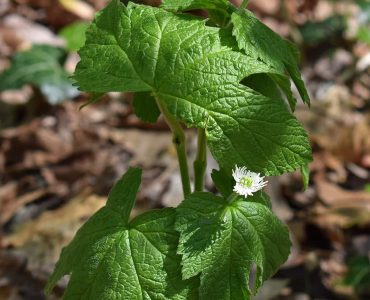
Raspberry leaf, derived from the red raspberry plant (Rubus idaeus), has been used for centuries in traditional medicine. Known for its nutrient-rich profile, raspberry leaf is packed with vitamins like B, C, and E, as well as essential minerals such as calcium, magnesium, and potassium. Its medicinal properties have gained popularity, particularly among women, for various health benefits. In this article, we’ll explore what raspberry leaf offers, its hormonal effects, and whether it’s safe for daily use.
Benefits of Raspberry Leaf

Raspberry leaf is highly regarded for its wide range of benefits, particularly in supporting women’s health, but it also offers advantages for overall wellness. Below is a more comprehensive list of its benefits, with detailed examples:
- Supports Reproductive Health:
- Raspberry leaf is renowned for its role in promoting uterine health. It helps tone and strengthen the uterine walls, which can potentially lead to more efficient labor for pregnant women. Many midwives recommend consuming raspberry leaf tea during the third trimester to help prepare the uterus for childbirth. Studies suggest it may reduce the likelihood of labor complications, such as the need for a cesarean sectionEases Menstrual Cramps:
- The anti-inflammatory properties of raspberry leaf help relax smooth muscle tissue, which can alleviate painful menstrual cramps. By reducing spasms in the uterine muscles, it can make periods more comfortable for many women. It’s also reported to be beneficial for women with heavy periods, as regular consumption has been linked to a reduction in pain and discomfort.
- Rich in Antioxidants:
- Raspberry leaf contains powerful antioxidants such as tannins, flavonoids, and ellagic acid. These compounds help neutralize free radicals, reducing oxidative stress and inflammation in the body. Antioxidants play a crucial role in protecting cells from damage, which may lower the risk of chronic diseases like cancer and heart disease.
- Improves Digestive Health:
- Traditionally used for its digestive benefits, raspberry leaf can help alleviate bloating, diarrhea, and other digestive discomforts. Its astringent properties make it useful in treating mild diarrhea, while its anti-inflammatory effects help calm irritation in the gastrointestinal tract. This makes it an effective herbal remedy for occasional stomach upset.
- Supports Cardiovascular Health:
- The potassium content in raspberry leaf may contribute to healthier blood pressure levels. Potassium helps relax blood vessels and regulates fluid balance, which is important for maintaining a healthy heart and cardiovascular system. Drinking raspberry leaf tea can be a simple way to support heart health through its potassium content.
- Promotes Healthy Skin:
- Raspberry leaf’s antioxidant and anti-inflammatory properties also make it a great choice for supporting skin health. Some herbalists recommend applying it topically (in the form of a poultice or infused oil) to treat minor skin irritations, such as rashes, eczema, or sunburn. Its rich content of vitamins A and C supports collagen production and skin repair, contributing to a more youthful complexion.
- May Improve Hair Growth:
- Some anecdotal evidence suggests that raspberry leaf’s high content of vitamins and minerals, especially magnesium, iron, and B vitamins, can contribute to healthier hair. These nutrients nourish hair follicles, potentially promoting stronger, shinier hair. However, more scientific research is needed in this area to confirm these benefits.
- Balances Hormones:
- Raspberry leaf is often used to help balance hormones, especially in women. It contains fragarine, a compound believed to regulate hormone levels, which can provide relief from premenstrual syndrome (PMS) and support a smoother menstrual cycle. It’s also thought to help ease menopausal symptoms such as hot flashes and mood swings by promoting overall hormonal balance.
- Helps with Fertility:
- Some herbal practitioners recommend raspberry leaf to women trying to conceive. Its role in strengthening the uterine walls is thought to increase the chances of successful implantation of a fertilized egg, making it a popular fertility aid in the world of herbal medicine.
- Potential Benefits for Men’s Health:
- Though more commonly associated with women’s health, raspberry leaf may also support men’s reproductive health. Some suggest it can enhance fertility by promoting better sperm quality, though more research is needed to substantiate this claim.
- Boosts Immune System:
- Thanks to its high vitamin C content, raspberry leaf tea can help boost immune function. Vitamin C is crucial for the production of white blood cells, which are the body’s primary defense against infections. Regular consumption of raspberry leaf tea may help you stay healthy, particularly during cold and flu season.
- Reduces Inflammation:
- The anti-inflammatory compounds in raspberry leaf make it useful for treating inflammatory conditions. Whether used to ease joint pain, sore muscles, or inflammatory skin issues, raspberry leaf tea offers natural relief without the need for over-the-counter medications.
who can benefit from raspberry leaf tea, when to use it, and the appropriate forms and dosages.
| Target Group | When to Use | Form | Dosage & Frequency | Precautions |
|---|---|---|---|---|
| Pregnant Women (3rd Trimester) | To tone the uterus and prepare for labor | Tea, Capsules | Tea: 1-3 cups per day; Capsules: 2 x 300-500 mg/day | Consult with a healthcare provider before starting, especially if high-risk pregnancy. |
| Women with Menstrual Cramps | During menstrual cycle to ease cramps and heavy flow | Tea, Capsules | Tea: 2-3 cups per day; Capsules: 300-500 mg/day | Should be avoided by women with hormone-sensitive conditions (e.g., endometriosis, fibroids). |
| Women with PMS | To balance hormones and alleviate PMS symptoms | Tea | Tea: 1-2 cups per day | May interact with certain medications like hormone therapy or contraceptives. |
| Women Trying to Conceive | Pre-pregnancy to support uterine health and fertility | Tea | Tea: 1-2 cups per day | Consult with a healthcare provider if undergoing fertility treatments or IVF. |
| Postpartum Women | After childbirth to aid in recovery and reduce bleeding | Tea | Tea: 1-2 cups per day | Avoid excessive consumption; consult a healthcare provider if breastfeeding. |
| Individuals with Digestive Issues | For bloating, mild diarrhea, or digestive discomfort | Tea | Tea: 1-2 cups per day | May cause mild nausea in some individuals. |
| People Looking to Boost Immune System | During cold/flu season for immune support | Tea | Tea: 1-2 cups per day | Consult a doctor if using alongside other immune-boosting supplements. |
| Men with Reproductive Health Concerns | To potentially support fertility and hormone balance | Tea | Tea: 1-2 cups per day | Should not replace medical treatments for reproductive issues; consult a healthcare provider. |
| Individuals with Skin Conditions | For mild rashes, sunburns, or skin irritation | Topical (Infused Oil, Cream) | Apply topically as needed | Discontinue use if irritation occurs; patch test recommended before topical application. |
Notes:
- Tea Preparation: Steep 1-2 teaspoons of dried raspberry leaves in hot water for 10-15 minutes.
- Capsules: Ensure to buy from reputable brands, following dosage instructions on the label.
- Topical Use: Raspberry leaf oil or creams can be applied directly to the skin for minor irritations or rashes.
Raspberry Leaf and Hormones
Raspberry leaf has been traditionally used to help balance hormones in women. Its effects are believed to be linked to:
- Progesterone-Like Effects: While not directly increasing progesterone, raspberry leaf is thought to promote hormonal balance by supporting progesterone’s natural role in the body, which is particularly beneficial for women with irregular periods .
- **Testosterone and Estrogen Laspberry leaf is not known to significantly lower testosterone or increase estrogen levels directly. Instead, it supports hormonal regulation more broadly, creating a balance that may help manage symptoms of hormonal fluctuations during menstrual cycles .
How to Make Raspberry Leaf Tea for the Most Beneficial Results
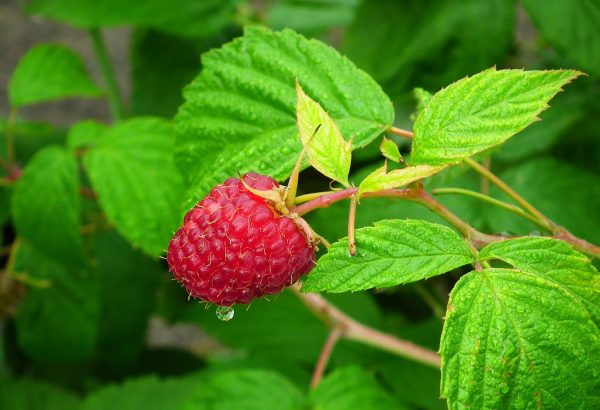
Raspberry leaf tea, known for its health benefits, particularly for women’s reproductive health, is a simple and effective way to consume this herbal remedy. Making it correctly can maximize its benefits, whether you’re looking to support your digestion, ease menstrual cramps, or promote a healthier pregnancy. Here’s a step-by-step guide on how to prepare raspberry leaf tea for the most beneficial results:
Ingredients:
- 1 tablespoon of dried raspberry leaf (or 1 tea bag of raspberry leaf tea)
- 1 cup (250 ml) of hot water (about 90-95°C / 194-203°F)
- Optional: Honey or lemon for taste
Instructions:
- Boil the Water: Bring a cup of water to a boil, then let it cool slightly. The optimal temperature is around 90-95°C (just below boiling) to avoid burning the herbs and to extract the maximum nutrients.
- Add Raspberry Leaves: Place 1 tablespoon of dried raspberry leaf (or a tea bag) into a cup. If using loose leaf tea, you may want to use a tea infuser or strain the leaves later.
- Steep: Pour the hot water over the raspberry leaves and cover the cup with a lid or small saucer. This helps retain the heat and prevent essential oils from evaporating. Let the tea steep for 10 to 15 minutes. Steeping for this duration allows the leaves to release their full range of vitamins, minerals, and tannins, making the tea more potent.
- Strain: After the tea has steeped, strain out the leaves (if using loose leaf) or remove the tea bag.
- Add Flavor (Optional): Raspberry leaf tea has a mild, earthy taste that some people enjoy plain. However, you can add a teaspoon of honey, a slice of lemon, or a touch of cinnamon to enhance the flavor.
Best Practices for Maximum Benefits:
- Drink It Regularly: For reproductive health benefits, such as easing menstrual cramps or toning the uterus in preparation for childbirth, it’s recommended to drink 1 to 3 cups of raspberry leaf tea per day. Pregnant women are often advised to start consuming it in the third trimester, but it’s essential to consult with a healthcare provider before starting.
- Use Fresh, High-Quality Leaves: The quality of the raspberry leaf matters. Organic dried leaves or high-quality tea bags ensure you’re getting the most potent version of the herb, free from pesticides or chemicals.
- Cold Brew Option: For a refreshing summer version, you can make cold raspberry leaf tea by brewing it overnight in cold water. Simply add the leaves to water, let it steep for 12 hours in the fridge, strain, and enjoy.
When to Drink It:
- Menstrual Cycle: Drink 1-2 cups per day throughout your cycle to help alleviate cramps and support regularity.
- Pregnancy: For those in the third trimester of pregnancy, starting with 1 cup per day and gradually increasing to 3 cups can help prepare the uterus for labor. Always check with your healthcare provider before using it during pregnancy.
- General Health: Raspberry leaf tea can be consumed daily to support digestion, reduce inflammation, and provide a natural source of vitamins like B, C, and E.
Frequently Asked Questions:
Who Should Not Take Raspberry Lry
leaf is generally safe for most people, there are specific cases where it should be avoided:
- Pregnancy (Early Stages): While often used during the third trimester to support labor, it’s best avoided in the first trimester unless recommended by a healthcare professional .
- Hormonal Sensitivities: If you have a condition sensitonal changes, such as breast cancer, you should consult a doctor before using raspberry leaf.
- Blood Disorders: Since it can have a slight blood-thinning effect, individuals with clotting disorders or those taking blood thinners should exercise caution.
Raspberry Leaf Tablets: What Are They Good For?
Raspberry leaf tablets are a convenient way to enjoy the benefits of this herb, particularly for:
- Uterine Toning: Regular consumption can help women prepare their bodies for childbirth by toning the uterine muscles .
- Menstrual Support: Tablets can ease period cramps, reduce PMS sympelp regulate the menstrual cycle when used over time .
- Overall Reproductive Health: For those aiming to balance hormones, raspberryts provide a concentrated form of this herbal remedy without needing to brew tea.
Can You Take Raspberry Leaf Daily?
Yes, it is generally safe to take raspberry leaf daily, particularly in the form of tea or tablets. Women who are trying to regulate their menstrual cycles or manage PMS symptoms often consume it daily. However, it’s essential to consult with a healthcare provider if you have specific medical conditions or are pregnant .
Does Raspberry Leaf Stop Your Period?
No, raspberry leaf does not stop menstruati, it can help regulate the menstrual cycle and may alleviate heavy periods. The leaf tones the uterus and can reduce excessive menstrual bleeding but will not stop the cycle altogether .
Hair Growth: Is Raspberry Leaf Good for It?
While not widely recognized as a primary treatmr growth, the vitamins and minerals present in raspberry leaf, such as magnesium, calcium, and vitamin B, contribute to overall hair health. It may improve scalp conditions and nourish hair follicles, but more research is needed to confirm this benefit .
Conclusion
Raspberry leaf is a versatile and powerful herbal remedy, especially beneficial for women’ive health. Whether consumed as tea, tablets, or capsules, it helps with everything from menstrual cramps to digestive issues. However, those with hormonal sensitivities, early pregnancies, or clotting disorders should use it cautiously. Always consult a healthcare professional before starting a new herbal supplement, especially if you have existing health conditions.