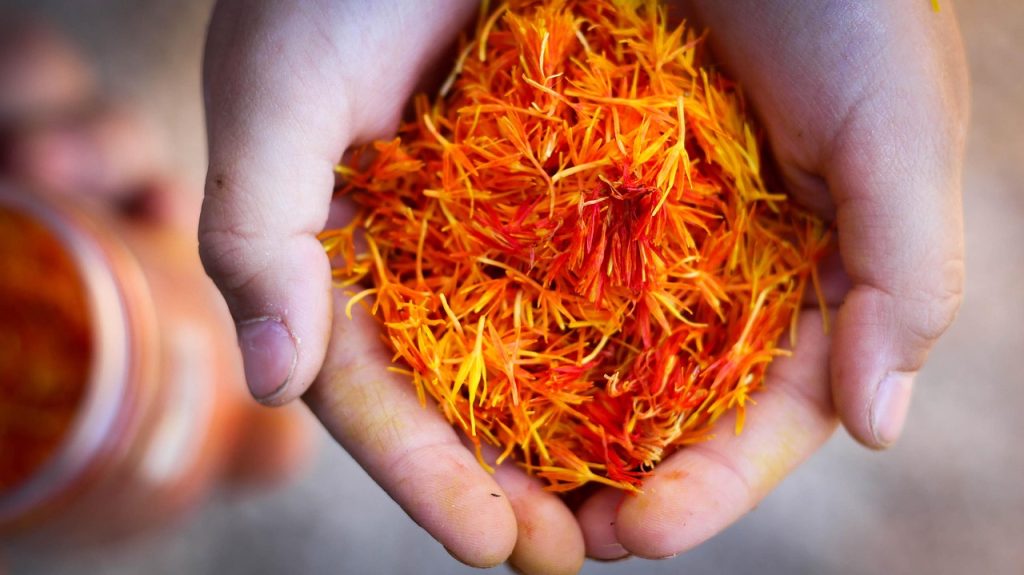
Saffron is a precious spice derived from the dried stigmas of Crocus sativus. Known for its intense aroma, vibrant color, and therapeutic properties, saffron has been widely used across centuries in cooking, perfumery, and traditional medicine. Rich in natural compounds like crocin, picrocrocin, and safranal, saffron offers antioxidant, anti‑inflammatory, and mood-enhancing effects, making it an increasingly popular—and scientifically supported—remedy in modern wellness routines.
Healing Specifications and Abilities
Saffron exhibits a broad range of healing effects: it supports cardiovascular health (lowering blood pressure and lipids), improves glucose regulation, enhances mood (antidepressant), and enhances sleep quality. Its key constituents—crocin, safranal, and crocetin—provide antioxidant, anti-inflammatory, and neuroprotective actions documented in both clinical trials and systematic reviews.
Saffron functions on several biological levels.
Its active components—crocin, crocetin, safranal, and picrocrocin—work as antioxidants, anti-inflammatory agents, and neurotransmitter modulators. These compounds contribute to its neuroprotective, mood-regulating, and appetite-suppressing effects.
On a physiological level, saffron can increase serotonin levels in the brain, reduce oxidative stress, improve circulation, and regulate metabolic processes such as glucose uptake and lipid profiles.
This multi-system functionality makes saffron a promising natural aid in managing conditions like depression, anxiety, obesity, PMS, and type 2 diabetes.
Where Can It Be Used?
Saffron shows promise in:
- Metabolic conditions: diabetes, insulin resistance, weight management
- Mental health: mild-to-moderate depression, PMS
- Cardiovascular protection: blood pressure and cholesterol reduction
- Sleep optimization: better sleep quality/duration
- Neurological support: cognitive and antidepressant effects
- General inflammation: arthritis, immune modulation
Who Can Use It and Why?
| Group | Why Use Saffron |
|---|---|
| Adults with mild depression | Shown improvement in symptoms vs. placebo after 4–6 weeks (PMC) |
| Diabetic or prediabetic adults | Reduces fasting glucose, improves lipid profile |
| Individuals with mild insomnia | Enhanced sleep latency and quality in trials |
| Those with PMS | Decreased mood swings with 30 mg/d |
| Overweight adults | 2.2 lb weight reduction through appetite control |
Benefits of Saffron
So, What Are the Benefits of Saffron? Saffron is much more than a flavorful spice—it’s a powerhouse of therapeutic compounds. Scientifically studied benefits of saffron include:
Mood enhancement and antidepressant effects
Clinical trials have shown saffron to be as effective as some prescription antidepressants in treating mild to moderate depression (PubMed).
Appetite regulation and weight management
Saffron extract has been shown to reduce snacking and emotional eating, supporting modest weight loss in overweight individuals (PMC).
Improved sleep quality
Saffron helps reduce sleep latency and may improve REM sleep cycles by regulating neurotransmitters like serotonin and dopamine.
PMS symptom relief
Saffron has demonstrated effectiveness in reducing premenstrual mood swings, pain, and anxiety in clinical studies.
Cognitive and neuroprotective effects
The antioxidant properties of crocin and safranal help protect neurons from oxidative damage, potentially aiding memory and mental clarity.
Blood sugar and heart health support
Saffron may enhance insulin sensitivity and lower LDL cholesterol, supporting metabolic and cardiovascular wellness.
What Flavor Does Saffron Add?
Saffron adds a unique, complex flavor that is often described as earthy, slightly sweet, and floral with subtle notes of honey and hay. It carries a delicate bitterness balanced by an aromatic, almost metallic sharpness. Its signature taste comes from the volatile oil safranal, which develops during the drying process.
In cooking, saffron doesn’t overpower other ingredients but rather enhances depth and richness—commonly used in dishes like paella, risotto, biryani, and Persian stews. The spice also imparts a vibrant golden-yellow hue due to the pigment crocin.
Why Is Saffron the Most Expensive Spice?
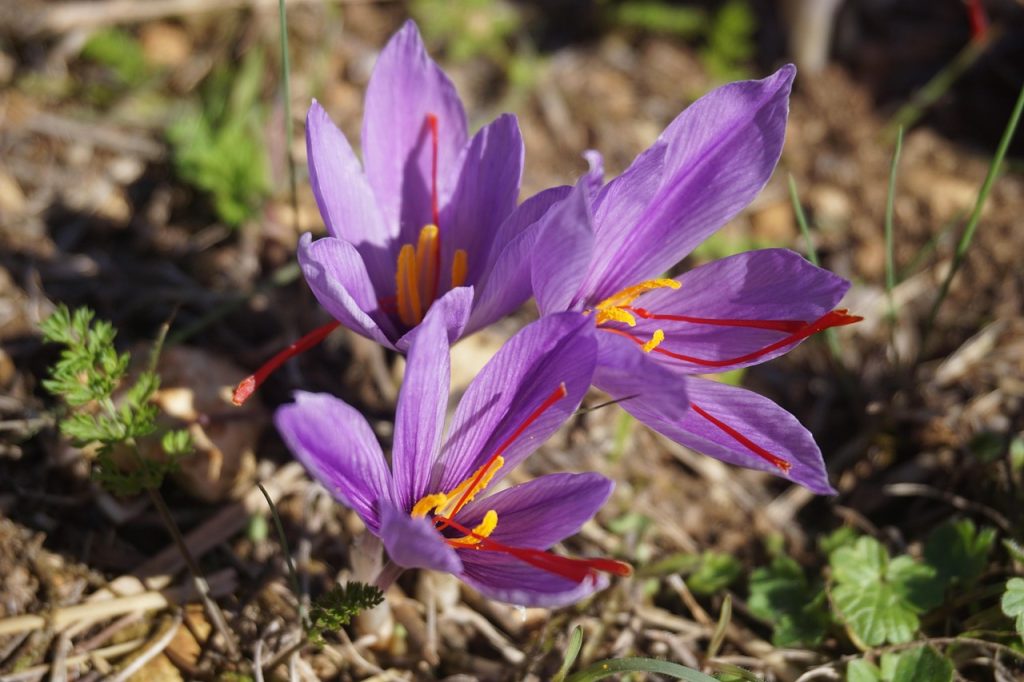
Saffron is the most expensive spice in the world because of its extremely labor-intensive harvesting process and low yield per plant. Each saffron crocus (Crocus sativus) flower produces only three red stigmas, which must be handpicked at dawn when the flower blooms. It takes about 75,000–100,000 flowers to produce just one pound of saffron, and harvesting is done entirely by hand to preserve the delicate threads.
Additionally, saffron cultivation is limited to specific climates and regions, further restricting supply and driving up costs. The meticulous harvesting, drying, and storage procedures also require skilled labor and contribute to its high price.
Why Is Saffron Rare?
Saffron is rare for both agronomic and economic reasons. Firstly, the Crocus sativus plant is sterile and cannot reproduce naturally via seeds. It relies entirely on human intervention—via manual bulb division—to propagate. Secondly, it requires specific environmental conditions: a dry climate with cold winters and hot, sunny summers, well-drained soil, and minimal rainfall during blooming.
These ideal conditions are found in limited regions such as Iran, Kashmir, parts of Spain, Greece, and Morocco. Because of these narrow cultivation zones, labor-heavy harvesting, and high demand in culinary and health markets, saffron remains one of the most exclusive and precious botanical resources.
How to Take Saffron for Weight Loss
Use saffron extract or capsules (approx. 176–200 mg daily) in divided doses with meals to help reduce snacking and support metabolic control. This dosage has been shown to promote mild weight loss in clinical studies.
Best Time to Take Saffron
Take saffron with breakfast and/or lunch. Since it can promote relaxation, avoid evening dosing if it disrupts nighttime alertness.
Morning consumption also supports metabolic rhythm with meals.
General Saffron Dosage
A typical supplement dosage ranges from 30–400 mg/day of saffron extract. For mood or metabolic benefits, 30 mg twice daily is common. Therapeutic doses may go up to 400 mg/day under medical supervision.
Saffron Dosage for Weight Loss
Recommendation: 176–200 mg/day, split into two doses (e.g., 100 mg breakfast, 100 mg lunch) over 8 weeks—shown to reduce snacking by ~55% and support ~2.2 lb weight decrease.
👉 Always consult a healthcare provider before starting.
Real Stories (Names changed)
These stories reflect real experiences; names are pseudonyms.
Anna’s weight success:
“I took saffron capsules daily and noticed I wasn’t craving pasta after work. Over 8 weeks, I lost about 3 kg.”
Mark’s sleep & mood lift:
“After a few weeks of taking saffron, I fell asleep faster and felt less anxious in the morning.”
Lisa’s PMS improvement:
“Using saffron during my premenstrual week reduced mood swings and cramps significantly.”
Tom’s unexpected drop:
“I started saffron thinking it was gentle, but my blood pressure dipped too much, causing dizziness.”
⚠️ Warning: Saffron may lower blood pressure—monitor regularly and consult your doctor.
Q&A Section
What is a saffron?
Saffron is the dried stigma of Crocus sativus, a spice valued for its color, flavor, and medicinal compounds.
Where is saffron grown?
Mainly in Iran, Spain, India (Kashmir), and Greece; requires specific climate—dry, sunny soils.
What does saffron do to the body?
Provides antioxidant, anti‑inflammatory, mood-enhancing, metabolic, and neuroprotective effects.
What is saffron mainly used for?
Used for seasoning, coloring food, improving mood, sleep, metabolic health, PMS relief, and cardiovascular support.
What is saffron and why is it expensive?
It is a labor-intensive spice—each flower yields only three stigmas, needing tens of thousands of flowers per pound
Can saffron grow in the USA?
Yes, in limited regions (e.g., California, Pacific Northwest) with similar dry-sunny conditions.
Who should not take saffron?
People on blood pressure meds, pregnant women (high dose risk), those with bleeding disorders—consult a physician.
What does saffron taste like?
Subtly sweet, floral, slightly bitter, with grassy undertones and earthy aroma.
Is saffron hard on the liver?
No evidence of liver toxicity at normal doses; actually offers antioxidant liver protection .
What are the disadvantages of saffron?
High cost; at very high doses (>5 g) can cause nausea, bleeding, dizziness; interacts with BP meds.
Why does saffron make me feel so good?
Compounds like crocin and safranal boost serotonin/dopamine, reduce oxidative stress, and support brain health, leading to mood improvement