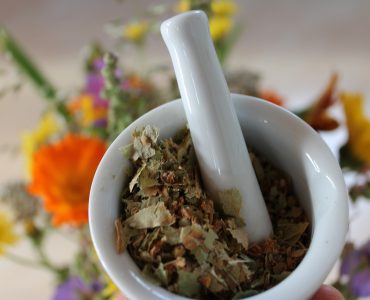
Saw Palmetto, scientifically known as Serenoa repens, is a small palm-like plant native to North America, particularly in regions like Florida and the southeastern United States. The plant produces berries that have been used for centuries in traditional medicine. Known for its wide range of health benefits, Saw Palmetto is most commonly used to support prostate health, alleviate urinary problems, and even aid in hair regrowth.
Saw Palmetto Uses and Benefits
- Prostate Health: One of the most well-documented uses of Saw Palmetto is in supporting prostate health. It is commonly used to treat benign prostatic hyperplasia (BPH), a condition where the prostate enlarges and causes urinary issues. Research suggests that Saw Palmetto may help reduce symptoms of BPH, including frequent urination, difficulty starting and stopping urination, and weak urine flow. Studies, such as those published in the Journal of Urology, show that Saw Palmetto extract can reduce these symptoms and improve overall urinary function in men with BPH.
- Hair Loss: Saw Palmetto is also popular in the treatment of hair loss, particularly male and female pattern baldness. It is believed to block the enzyme 5-alpha reductase, which converts testosterone into dihydrotestosterone (DHT), a hormone linked to hair loss. While more research is needed, some studies suggest that Saw Palmetto may help slow hair loss and even stimulate hair regrowth.
- Anti-Inflammatory and Antioxidant Effects: The berries of Saw Palmetto are rich in fatty acids and phytosterols, which are believed to have anti-inflammatory and antioxidant properties. These compounds may help reduce inflammation in the body and protect cells from oxidative stress, which can contribute to various chronic conditions.
- Urinary Health: In addition to prostate health, Saw Palmetto may benefit urinary tract health. It is believed to improve urine flow and reduce nighttime urination, which is a common complaint for older men with BPH. Research has indicated that Saw Palmetto can enhance the bladder’s ability to empty fully, reducing the discomfort associated with frequent urination.
Saw Palmetto: Berry vs. Extract
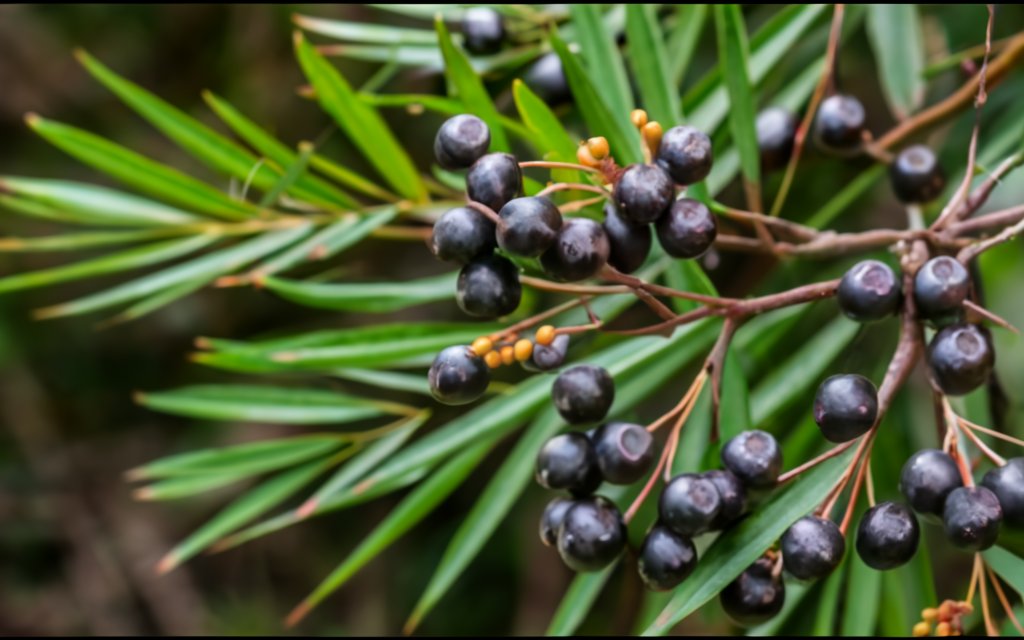
When it comes to Saw Palmetto, the plant’s berries and extracts are commonly used for therapeutic purposes, but there are differences in their composition and effectiveness.
- Saw Palmetto Berries: The whole berries contain essential oils, fatty acids, and sterols, which are the active components believed to have medicinal properties. However, the concentration of these active ingredients is lower in the berries compared to the extract. Because of this, the berries are typically used in traditional remedies or homemade preparations.
- Saw Palmetto Extract: The extract is made by concentrating the active compounds in the berries, resulting in a higher potency. It’s available in various forms, such as capsules, tablets, or liquid extracts. Research indicates that the extract is more effective than the berries in treating conditions like BPH and hair loss due to its higher concentration of bioactive components. For example, one study published in Phytotherapy Research found that the extract significantly improved urinary symptoms in men with BPH.
Saw Palmetto Side Effects
While Saw Palmetto is generally considered safe for most individuals, it can cause side effects in some people. Common side effects include:
- Digestive Issues: Some individuals may experience mild gastrointestinal discomfort, such as nausea, stomach pain, or diarrhea. This is more common when taking the supplement in high doses.
- Hormonal Effects: Because Saw Palmetto may affect hormone levels, it should be used with caution by people with hormone-related conditions, such as breast cancer, prostate cancer, or other endocrine disorders. Though the evidence is not conclusive, some users report changes in libido or sexual function.
- Blood Thinning: Saw Palmetto may have blood-thinning effects. Therefore, individuals taking anticoagulants (blood thinners) such as warfarin should consult with a doctor before using Saw Palmetto, as it could increase the risk of bleeding.
- Allergic Reactions: Although rare, some people may experience allergic reactions such as rashes or difficulty breathing. Discontinue use and seek medical attention if any allergic symptoms occur.
How to Take Saw Palmetto
| Dosage/Method | Reason for Use | When to Take | How to Take | Why to Take |
|---|---|---|---|---|
| Standard Dosage | 160-320 mg of Saw Palmetto extract (standardized to 85-95% fatty acids and sterols) | Once or twice a day | Capsules or tablets | For prostate health (BPH), urinary problems, and hair loss. |
| For Hair Loss | 160-320 mg daily | Morning or evening | Capsules, tablets, or liquid extract | Blocks DHT production, which is linked to hair loss. |
| For Prostate Health (BPH) | 320 mg daily (split into two doses) | Morning and evening | Capsules or tablets | Reduces urinary symptoms of benign prostatic hyperplasia (BPH). |
| For Urinary Health | 160-320 mg daily | Morning or before bedtime | Capsules, tablets, or liquid extract | Improves urine flow and reduces nighttime urination. |
| Liquid Extract | 1-2 ml (equivalent to 160-320 mg) | Once or twice a day | Liquid extract, mixed with water or juice | Easier absorption; good for those who prefer liquid supplements. |
| For Inflammation Relief | 320 mg daily | Once a day | Capsules, tablets, or liquid extract | Acts as an anti-inflammatory, reducing inflammation in the body. |
| For Digestive Issues | 160 mg daily | After meals | Capsules or tablets | Can help with mild digestive discomfort. |
| For Blood Pressure & Cholesterol | 320 mg daily | Once or twice a day | Capsules or tablets | Potential to support heart health by balancing cholesterol levels. |
Notes on Usage:
- Consistency: For optimal benefits, it’s important to take Saw Palmetto regularly. However, the exact dosage can vary depending on the severity of the condition.
- Absorption: Taking Saw Palmetto with food may help enhance absorption and reduce potential stomach discomfort.
- Monitoring: If taking Saw Palmetto for long-term health benefits, it’s advisable to periodically check progress with a healthcare provider to ensure its effectiveness and safety.
Always consult a healthcare professional before starting any supplement, especially if you have pre-existing medical conditions or are on other medications.
Saw Palmetto for Prostate Health: A Detailed Overview
Prostate health is a common concern, particularly for men over the age of 50, as conditions such as benign prostatic hyperplasia (BPH) become more prevalent. BPH is a non-cancerous enlargement of the prostate that can cause uncomfortable symptoms, including frequent urination, weak urine flow, and difficulty starting or stopping urination. One natural supplement that has been studied for its potential benefits in managing prostate health is Saw Palmetto (Serenoa repens).
What is Saw Palmetto?
Saw Palmetto is a small palm tree native to the southeastern United States. Its berries have been traditionally used for a variety of health purposes, particularly for urinary and prostate health. The active ingredients in Saw Palmetto berries are primarily fatty acids and plant sterols, which are believed to have an impact on hormone levels, especially by inhibiting the production of dihydrotestosterone (DHT)—a hormone linked to the development of BPH.
How Does Saw Palmetto Support Prostate Health?
Saw Palmetto is most commonly used as a natural remedy for Benign Prostatic Hyperplasia (BPH), a condition that affects many men as they age. Research suggests that Saw Palmetto may provide relief from the symptoms of BPH, improving both quality of life and urinary function.
- Reduces Urinary Symptoms: Saw Palmetto helps improve urinary symptoms by reducing prostate size and relaxing the muscles of the bladder and urinary tract. Studies have shown that it can significantly reduce the frequency of urination, especially at night (nocturia), and improve urine flow.
- Inhibits DHT Production: One of the key factors in BPH is the conversion of testosterone to DHT, which stimulates prostate growth. Saw Palmetto is believed to block this enzyme (5-alpha-reductase) that converts testosterone into DHT, which in turn may slow down or reduce prostate enlargement.
- Anti-inflammatory Effects: Saw Palmetto also exhibits anti-inflammatory properties, which may help reduce the swelling of the prostate gland, contributing to further relief of BPH symptoms.
What Does Research Say About Saw Palmetto and Prostate Health?
Numerous clinical studies have examined the effectiveness of Saw Palmetto in treating BPH. Here are some key findings:
- A 2009 study published in The Journal of Urology found that Saw Palmetto extract significantly improved urinary flow rates and reduced urinary symptoms in men with BPH. The study concluded that it could be considered a safe and effective treatment option.
- A 2012 Cochrane Review analyzed several studies on Saw Palmetto and concluded that it was more effective than a placebo in treating the symptoms of BPH. However, it noted that its benefits were modest compared to other medications like finasteride.
- A 2014 review in American Family Physician concluded that while Saw Palmetto is widely used for prostate health, more rigorous, large-scale studies are needed to fully understand its role in BPH management. However, many men report positive outcomes when using the herb.
Saw Palmetto for Prostate Health: What Dosage is Recommended?
For those looking to use Saw Palmetto to support prostate health, dosages typically range from 160-320 mg of Saw Palmetto extract per day. It’s important to note that Saw Palmetto is most commonly used in the form of a standardized extract, as this form is more potent and contains a higher concentration of active ingredients than the whole berry.
Capsules or Tablets are the most common forms of supplementation, and they usually contain standardized Saw Palmetto extract, which guarantees a certain concentration of fatty acids and sterols (usually between 85-95%). Some people prefer to take the extract in liquid form, although this can be less convenient.
Saw Palmetto vs. Conventional Prostate Medications
While Saw Palmetto is a natural alternative, it is not always as potent as prescription medications for BPH, such as finasteride or alpha-blockers. These medications work by blocking DHT production or relaxing prostate muscles, respectively, and may offer more significant results in severe cases of BPH. However, Saw Palmetto offers a safer, less invasive option for mild-to-moderate cases or as a complementary therapy.
Conclusion
Saw Palmetto is a versatile plant that has been used for centuries to support men’s health, particularly for prostate and urinary health. Its benefits extend to hair regrowth and reducing inflammation, making it a popular natural remedy for various conditions. Whether you choose the berries or extract, it’s important to understand the differences in potency and efficacy. As with any supplement, it’s crucial to consult with a healthcare provider before incorporating Saw Palmetto into your regimen, especially if you have existing health conditions or are on medications.
By considering the various benefits and potential side effects, Saw Palmetto can be a valuable addition to your natural health toolkit, offering a safe and effective option for managing BPH, hair loss, and more.