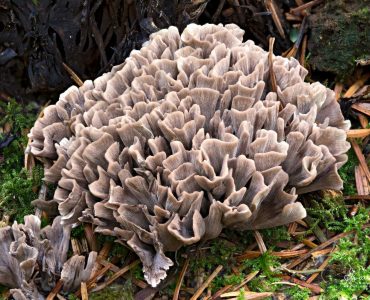
Shiitake is a type of edible mushroom that is native to East Asia. It is widely cultivated and used in various cuisines around the world. Shiitake mushrooms have a meaty texture and a rich, earthy flavor, making them popular in stir-fries, soups, and other dishes.
They are also known for their potential health benefits, including boosting the immune system and providing antioxidants.
Who Should not eat?
There could be several reasons why someone might choose not to eat at a particular time. It’s important to listen to your body’s cues and make decisions that support your overall well-being.
Some possible reasons for not eating could include if you’re not hungry, if you’re feeling unwell, if you’re fasting for religious or personal reasons, or if you’re trying to practice mindful eating. It’s always a good idea to consult with a healthcare professional if you have concerns about your eating habits or if you’re experiencing persistent loss of appetite.
Shiitake mushrooms offer a variety of health benefits. Some of the key benefits include:
All mushrooms have various health benefits, but some of the healthiest varieties include shiitake, maitake, reishi, and lion’s mane mushrooms. These mushrooms are known for their immune-boosting properties, antioxidant content, and potential anti-inflammatory effects. Incorporating a variety of mushrooms into your diet can provide a range of nutrients and health benefits.
Shiitake mushrooms are known for their potential health benefits. They are rich in vitamins, minerals, and antioxidants, and have been linked to various health benefits, including:
- 1. Boosting the immune system: Shiitake mushrooms contain compounds like beta-glucans that may help enhance the immune system and reduce inflammation.
- 2. Supporting heart health: Some studies suggest that shiitake mushrooms may help lower cholesterol levels and reduce the risk of heart disease.
- 3. Providing anti-cancer properties: Compounds found in shiitake mushrooms, such as lentinan, have shown potential anti-cancer properties in some studies.
- 4. Improving cognitive function: Certain compounds in shiitake mushrooms may help protect brain health and improve cognitive function.
- 5. Supporting weight management: Shiitake mushrooms are low in calories and fat, making them a healthy addition to a weight management diet.
Shiitake Nutrients:
Shiitake mushrooms are not only delicious but also nutritious. They are low in calories and fat, making them a healthy addition to your diet. Here is the approximate nutritional content of 1 cup (145g) of shiitake mushrooms:
- – Calories: 81
- – Protein: 2.3g
- – Carbohydrates: 20.6g
- – Fiber: 2.7g
- – Fat: 0.5g
- – Vitamin C: 3.9mg
- – Vitamin D: 0IU
- – Iron: 0.7mg
- – Potassium: 640mg
Shiitake mushrooms are also a good source of B vitamins, selenium, and other minerals. They are known for their immune-boosting properties and potential health benefits. Enjoy incorporating shiitake mushrooms into your meals for a nutritious boost!
Health Benefits of Shiitake
Shiitake mushrooms are considered a superfood due to their numerous health benefits. Here are a few reasons why they are so good for you:
1. Nutrient-rich: Shiitake mushrooms are low in calories and high in nutrients such as vitamins B and D, minerals like copper, selenium, and zinc, and dietary fiber.
2. Immune-boosting properties: Shiitake mushrooms contain compounds like beta-glucans that have been shown to enhance the immune system and help the body fight off infections and diseases.
3. Antioxidant properties: These mushrooms are rich in antioxidants like ergothioneine and polyphenols, which help protect cells from damage caused by free radicals and reduce inflammation in the body.
4. Heart health: Shiitake mushrooms can help lower cholesterol levels, reduce blood pressure, and improve circulation, which can contribute to overall heart health.
5. Anti-cancer effects: Some studies suggest that compounds found in shiitake mushrooms may have anti-cancer properties and could potentially help prevent the growth and spread of cancer cells.
6. Supports brain health: Shiitake mushrooms contain compounds that can help improve cognitive function, protect brain cells from damage, and reduce the risk of neurodegenerative diseases like Alzheimer’s and Parkinson’s.
Overall, incorporating shiitake mushrooms into your diet can provide a wide range of health benefits and support your overall well-being.
Where do Shiitake mushrooms are used?
Shiitake mushrooms have a rich, savory flavor often described as umami. They can have a meaty texture and a slightly earthy taste. When cooked, shiitake mushrooms develop a deep, smoky flavor that pairs well with a variety of dishes.
Shiitake mushrooms are a great source of various nutrients. They are particularly high in B vitamins, such as B2 (riboflavin), B5 (pantothenic acid), and B6 (pyridoxine). Shiitake mushrooms also contain minerals like copper, selenium, and zinc. Additionally, they are a good source of dietary fiber and protein.
Shiitake Allergies
If you have a shiitake mushroom allergy, it’s important to avoid consuming shiitake mushrooms or foods that contain them to prevent an allergic reaction. Make sure to carefully read food labels and ask about ingredients when dining out to ensure you avoid any potential triggers. If you experience symptoms of an allergic reaction after consuming shiitake mushrooms, such as hives, swelling, difficulty breathing, or digestive issues, seek medical attention immediately. It’s also a good idea to consult with a healthcare provider or allergist for further guidance on managing your allergy.
Are Shiitake Mushrooms Safe to Eat?
Shiitake mushrooms are generally safe for most people when consumed in food amounts. However, some individuals may be allergic to shiitake mushrooms or may experience digestive issues such as bloating or gas when consuming them. If you have a known allergy to mushrooms or are sensitive to fungi, it is best to avoid shiitake mushrooms. Additionally, individuals with certain medical conditions or those taking specific medications should consult with a healthcare provider before adding shiitake mushrooms to their diet.
Raw vs. Cooked Shiitake Mushrooms
It is generally not recommended to eat raw shiitake mushrooms as they contain a compound called lentinan which can be difficult for the body to digest in its raw form. Cooking shiitake mushrooms helps break down this compound and makes them easier to digest. Additionally, cooking can enhance the flavor and texture of the mushrooms. It is always best to cook shiitake mushrooms before consuming them to ensure they are safe to eat and to fully enjoy their taste and nutritional benefits.
Shiitake Stems vs. Caps
Shiitake stems can be tough and woody in texture, making them less pleasant to eat compared to the softer and more flavorful caps. However, some people do choose to use the stems in cooking by chopping them finely and incorporating them into dishes for added flavor. It ultimately comes down to personal preference and how you prefer to prepare your shiitake mushrooms.
Step-by-Step Recipe: How to Cook Shiitake Mushrooms at Home
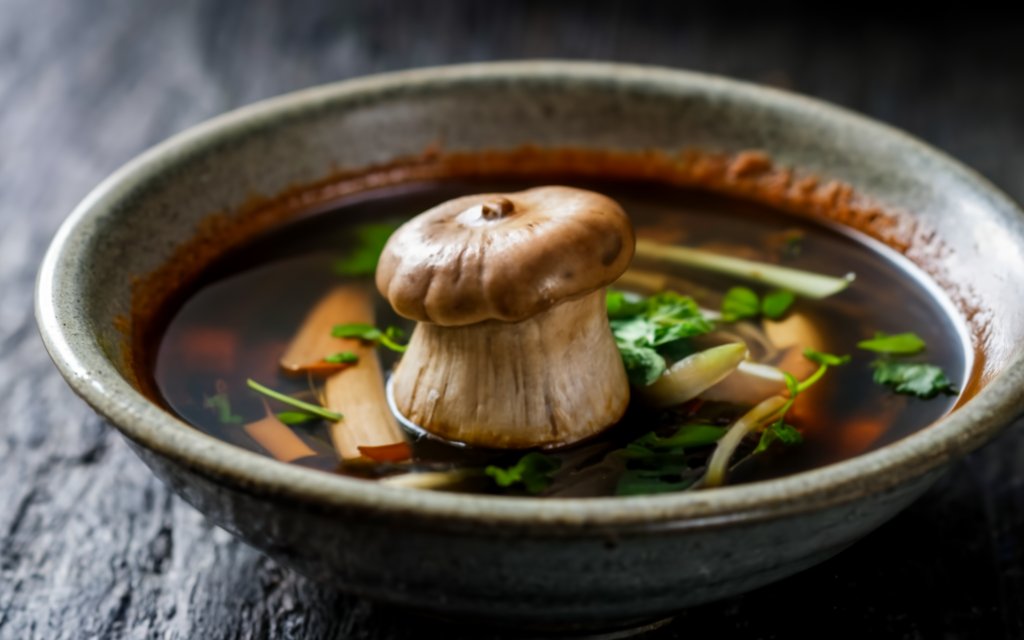
Ingredients:
- 200g fresh shiitake mushrooms (stems removed, caps sliced)
- 2 tablespoons olive oil
- 2 cloves garlic, minced
- 1 tablespoon soy sauce or tamari for a gluten-free option
- 1 teaspoon sesame oil
- 1 teaspoon fresh ginger, grated
- 1 tablespoon fresh chopped parsley or green onions (for garnish)
- Salt and pepper to taste
Instructions:
- Preparation:
- Clean the shiitake mushrooms by gently wiping them with a damp cloth or paper towel. Remove the tough stems and slice the caps into even pieces.
- Cooking the Mushrooms:
- Heat a large skillet or wok over medium heat. Add 2 tablespoons of olive oil and let it warm up.
- Add the minced garlic and sauté for about 1 minute until fragrant.
- Sautéing the Shiitake Mushrooms:
- Add the sliced shiitake mushrooms to the skillet. Sauté for 5-7 minutes, stirring occasionally until they become tender and golden brown.
- Add 1 tablespoon of soy sauce (or tamari) and 1 teaspoon of sesame oil. Mix well to coat the mushrooms evenly.
- Adding Flavor:
- Grate 1 teaspoon of fresh ginger and stir it into the mushrooms. Cook for an additional 2-3 minutes to allow the flavors to blend.
- Season with salt and pepper to taste.
- Garnish and Serve:
- Once cooked, remove from heat and garnish with fresh chopped parsley or green onions for a burst of freshness.
- Serve hot as a side dish or add to salads, stir-fries, or rice bowls.
Additional Tips:
- For a richer flavor, add a squeeze of lemon or a splash of balsamic vinegar.
- You can mix cooked shiitake mushrooms with grains like quinoa or farro for a hearty, nutrient-packed meal.
Enjoy your delicious, cooked shiitake mushrooms!
Side Effects of Eating Raw Shiitake Mushrooms
Eating raw shiitake mushrooms can potentially cause side effects such as digestive upset, including stomach pain, bloating, and diarrhea. This is because raw shiitake mushrooms contain a compound called lentinan, which can be difficult for some people to digest. To avoid these side effects, it is recommended to cook shiitake mushrooms thoroughly before consuming them. Cooking helps to break down this compound and make the mushrooms easier to digest.
Shiitake Mushrooms for Weight Loss
Yes, shiitake mushrooms can be beneficial for weight loss. They are low in calories and fat, making them a good choice for those looking to manage their weight. Additionally, shiitake mushrooms are a good source of fiber, which can help you feel fuller for longer and aid in digestion. They also contain compounds that may help boost metabolism and promote fat burning. However, it’s important to remember that weight loss is best achieved through a combination of a balanced diet and regular exercise. Incorporating shiitake mushrooms into your meals as part of a healthy eating plan can certainly support your weight loss efforts.
Cardiovascular Benefits of Shiitake Mushrooms
Shiitake mushrooms are believed to have potential health benefits, including the ability to support cardiovascular health. Some studies suggest that compounds in shiitake mushrooms may help lower blood pressure by improving circulation and reducing inflammation. However, more research is needed to fully understand the effects of shiitake mushrooms on blood pressure. It’s always best to consult with a healthcare professional before making any significant changes to your diet or lifestyle to manage blood pressure.
Overall, incorporating shiitake mushrooms into your diet can be a delicious and nutritious way to support your overall health and well-being.”
Shiitake mushrooms are not known to be psychedelic. They are commonly used in cooking and are prized for their rich, savory flavor rather than any psychedelic effects. However, it is important to note that there are many types of mushrooms, some of which are known to be psychoactive or psychedelic, so it is always best to be cautious and informed when consuming any type of mushroom.