
The Silica Hypothesis refers to the potential health benefits of silica, a naturally occurring mineral, in both traditional and homeopathic medicine. Silica (also called Silicea in homeopathy) is believed to play a vital role in strengthening connective tissues, boosting the immune system, and promoting overall health. In conventional science, silica is known for its role in collagen production, which is important for skin, hair, nails, and bone health.
Homeopathically, Silica is prepared through successive dilutions and succussions, which is believed to unlock its healing potential on a deeper, more energetic level, following the “like cures like” principle. The Silica Hypothesis in homeopathy suggests that Silicea can help the body expel unwanted materials, toxins, and infections, thus acting as a natural purifier and immune system booster.
Silicea Benefits in Homeopathy
Silicea, or Silica, is widely regarded for its benefits in promoting skin, hair, nail, and bone health. It is especially known for:
- Boosting skin health: Silica is frequently used to treat acne, boils, abscesses, and other skin infections. It encourages the body to expel pus and toxins, facilitating healing.
- Strengthening hair and nails: Those with brittle hair or nails often turn to Silicea to promote strength and resilience.
Supporting bone health: It is said to improve bone density and help with issues like osteoporosis. - Healing slow or stubborn wounds: Silica is known for promoting wound healing and is used for individuals who experience slow recovery from cuts or injuries.
- Immune system support: Homeopaths often recommend Silicea for individuals with weakened immune systems, particularly those who frequently get colds, infections, or flu-like symptoms.
These benefits have made Silicea a staple remedy for those looking to improve their overall well-being, particularly in cases where the body needs to detoxify or repair itself.
Silica Uses in Homeopathy
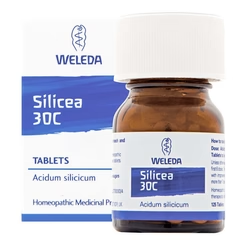
Silicea has a broad range of uses in homeopathy, extending beyond just skin and nail health. Some of the key uses include:
- Chronic infections: Silicea is commonly used for chronic, reoccurring infections like sinusitis, abscesses, and ear infections, helping the body eliminate the infection naturally.
- Dental health: It is sometimes prescribed to help with dental issues, particularly for healing gum abscesses or managing dental infections.
- Scar tissue: It can be beneficial for treating keloids or thickened scar tissue that is slow to heal.
- Excessive sweating: Silicea is also indicated for individuals who experience profuse sweating, particularly in the hands or feet.
- Exhaustion and fatigue: In some cases, it is used for individuals who feel chronic tiredness or weakness, especially after long-term illness or exertion.
These varied uses make Silicea a go-to remedy for a range of common health conditions, from chronic infections to skin disorders.
Dosage of Silicea in Homeopathy
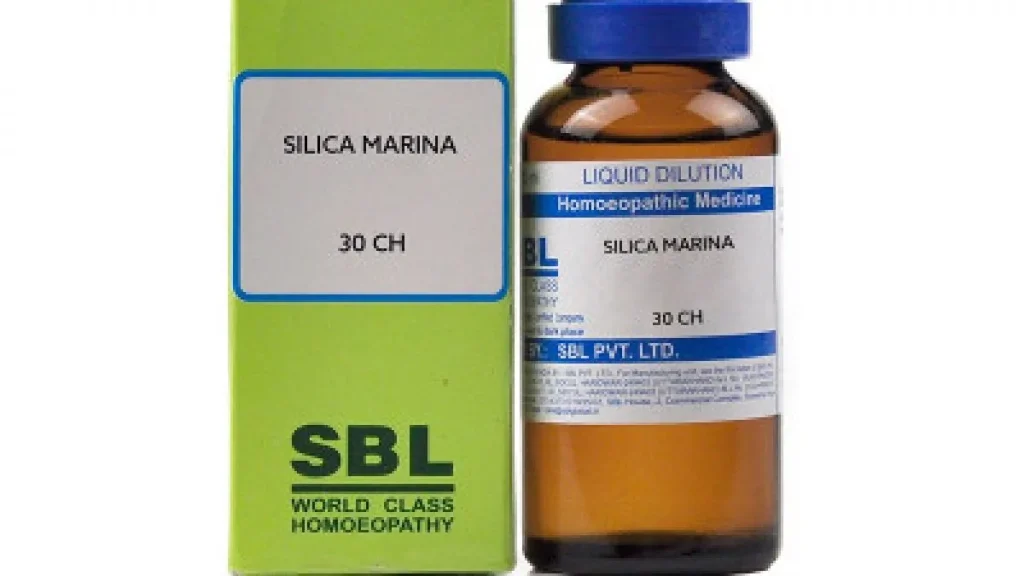
The dosage of Silicea in homeopathy depends on the potency and the condition being treated. For example:
- Silicea 30C: This is a common potency for treating acute conditions like acne, abscesses, or minor infections. Typically, 3-5 pellets are taken under the tongue 1-3 times daily until symptoms improve.
- Silicea 200C or 1M: Higher potencies are used for more chronic or deep-seated issues, like persistent infections or chronic fatigue. These are usually taken less frequently, often once every few days or as directed by a homeopath.
It is essential to adjust the dosage based on symptom severity and individual response. Consulting a qualified homeopath is recommended to ensure the correct potency and dosage.
How to Use Homeopathic Remedy Silica
Homeopathic remedies like Silica are typically administered in pellet form. Here’s a simple guide on how to use it:
Take 3-5 pellets of the recommended potency and let them dissolve under your tongue.
Avoid touching the pellets with your hands—use the cap of the bottle to pour them out.
It’s best to take the remedy at least 15-30 minutes away from food, drinks, or strong flavors (such as coffee or mint), as these can interfere with the effectiveness.
Repeat the dosage as directed by your homeopath. For acute conditions, you may need to take the remedy multiple times a day, while for chronic conditions, it may be taken once every few days or weeks.
Silica vs. Silicea in Homeopathy
There is often confusion between Silica and Silicea in homeopathy, but they are essentially the same remedy. The terms are used interchangeably depending on the region or practitioner preference. “Silica” refers to the mineral in its raw form, while “Silicea” is the name used in homeopathy, referring to the potentized remedy. Both terms describe the same substance, but in homeopathy, the name “Silicea” is more commonly used.
What is Silicea 30C Used For?
Silicea 30C is one of the most common potencies used in homeopathy. It is generally recommended for:
Acne and skin issues: Helps with acne, boils, and other skin infections that need to be expelled or drained.
Weak hair and nails: Strengthens brittle hair and nails, making it a popular remedy for cosmetic health.
Chronic infections: Helps the body recover from recurrent infections like sinusitis, abscesses, or even respiratory issues.
Silicea 30C is a lower potency suitable for more acute conditions that require more frequent dosing.
Conclusion
Silica (or Silicea) is a versatile homeopathic remedy known for its benefits in supporting skin health, boosting the immune system, and strengthening hair, nails, and bones. While homeopathy relies on the “like cures like” principle, scientific evidence for its efficacy remains limited. However, anecdotal evidence and its widespread use suggest potential benefits, especially for chronic and recurring conditions. Whether using Silicea for infections, skin health, or wound healing, it is essential to follow appropriate dosage and consult with a qualified homeopath for optimal results.