Peppermint, also known as Mentha piperita, is a versatile herb used for centuries in both culinary and medicinal practices. With its refreshing aroma and cooling properties, it’s a popular ingredient in teas, essential oils, and topical applications. But how safe is it, and what are its health benefits and potential drawbacks? Let’s dive into the details of this fascinating herb.
Overview
Peppermint, known for its refreshing aroma and cooling sensation, is a popular herb that has been used for centuries in various cultures. This plant is widely appreciated for its therapeutic properties, whether it’s easing digestive discomfort, soothing skin irritations, or offering respiratory relief. Its applications span from cooking and herbal teas to essential oils and topical treatments.
One of the most well-known benefits is its ability to support digestive health. It can relax the muscles in the gastrointestinal tract, providing relief from bloating, gas, and indigestion. Studies have shown that products derived from this plant, like oils and extracts, are effective in managing symptoms of irritable bowel syndrome (IBS).
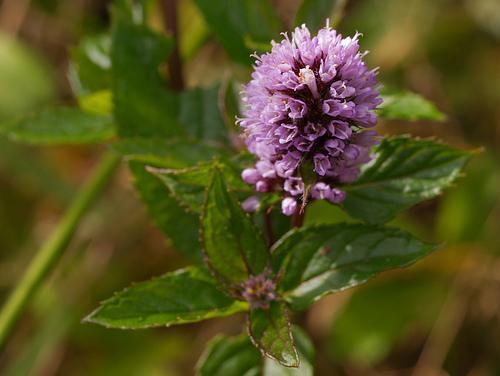
In addition to digestive benefits, this herb has a positive impact on cognitive function. Its aroma can stimulate the senses, improve concentration, and enhance memory. This makes it a popular choice in aromatherapy, often used to boost mental clarity and alleviate headaches.
Beyond internal benefits, this versatile plant is a common ingredient in skincare. Its cooling effect helps calm irritated skin, reduce redness, and relieve itchiness from conditions like acne or dermatitis. However, it’s important to use it cautiously on sensitive skin, especially when applying concentrated forms like essential oils.
For those looking for natural relaxation, the tea made from its leaves is caffeine-free and known for its soothing properties. While not directly a sleep aid, it can create a calming effect that promotes better rest, making it a great choice before bed.
Although generally safe for most people, there are a few precautions to keep in mind. People with gastroesophageal reflux disease (GERD) should avoid it as it may aggravate heartburn. Pregnant women and young children should also consult a healthcare provider before using it in large amounts.
What Is Peppermint Used For?
Peppermint is widely recognized for its benefits in treating digestive disorders, respiratory issues, and even stress. It’s often used to alleviate symptoms of irritable bowel syndrome (IBS), indigestion, and nausea, thanks to its ability to relax the muscles of the gastrointestinal tract. Research has shown that peppermint oil can significantly reduce IBS symptomslso commonly found in products meant to soothe headaches and muscle pain, as its menthol content provides a cooling sensation that helps relieve discomfort.
when and for whom peppermint can be used, the forms available (topical, capsules, creams, etc.), and general dosage guidelines:
| Condition/Use | Who Should Use | When to Use | Form | Dosage |
|---|---|---|---|---|
| Digestive Issues (IBS, bloating, gas) | Adults with mild digestive discomfort or IBS | After meals, or when experiencing discomfort | Enteric-coated capsules, tea | Capsules: 180-225 mg of peppermint oil 2-3 times daily; Tea: 1-2 cups daily |
| Headache Relief | Adults prone to tension or migraines | At onset of headaches | Peppermint essential oil (topical, inhaled) | Topical: Apply 10% peppermint oil diluted in a carrier oil to temples or forehead; Inhalation: Inhale essential oil for 2-3 minutes as needed |
| Skin Irritations | Individuals with mild skin irritations, acne, or rashes | When skin feels itchy or inflamed | Topical cream, essential oil | Cream: Apply a cream containing 1-5% peppermint oil to affected areas; Oil: Dilute with carrier oil and apply a small amount to the affected area 1-2 times daily |
| Respiratory Relief (cough, congestion) | Adults with colds, sinus congestion, or allergies | During respiratory discomfort | Essential oil (inhalation), lozenges, chest rub | Inhalation: 1-2 drops of essential oil in hot water or a diffuser; Lozenges: Follow packaging instructions; Chest Rub: Use a balm containing peppermint oil |
| Cognitive Function/Focus | Adults or students needing improved concentration | During study, work, or tasks requiring focus | Essential oil (aromatherapy) | Inhalation: Inhale peppermint essential oil for 5 minutes before focus sessions; Diffuse: Add a few drops to a diffuser during concentration work |
| Nausea Relief | Adults with motion sickness or nausea | At onset of nausea symptoms | Essential oil (inhalation), tea | Inhalation: Inhale peppermint essential oil for 5 minutes; Tea: Sip slowly (1 cup) when nausea occurs |
| Sleep Aid | Individuals seeking relaxation before bed | 30-60 minutes before bed | Tea | Tea: Drink 1 cup of peppermint tea 30-60 minutes before sleep |
| Oral Health | Adults with bad breath or gum issues | After meals or as needed | Peppermint toothpaste, mouthwash | Mouthwash: Gargle with a peppermint-infused mouthwash after meals; Toothpaste: Brush teeth twice daily with toothpaste containing peppermint oil |
Important Notes:
- Who Should Avoid Peppermint: Those with GERD, pregnant women (without consultation), children under 8 (without consultation).
- Caution: Peppermint oil should always be diluted for topical use to avoid skin irritation.
Is Mentha Piperita Edible for Humans?
Yes, peppermint is completely edible. Fresh or dried leaves are used in cooking, beverages, and herbal remedies. You can add it to salads, smoothies, or even as a garnish for desserts. Peppermint tea is especially popular for its soothing and refreshing taste.
Is Mentha Piperita Safe?
For most people, peppermint is safe when consumed in moderation. However, peppermint oil, especially in concentrated forms, should be used carefully, as excessive amounts can lead to adverse effects. It’s generally recommended to dilute peppermint oil before applying it topically or using it internally .
Frequently Asked Questions:
Can I take Mint Every Day?
Yes, peppermint tea is safe for most individuals to consume daily. Drinking it regularly may help with digestion, alleviate headaches, and improve respiratory function. Its naturally caffeine-free composition makes it an excellent choice for relaxation, especially before bedtime.
Who Should Avoid Peppermint?
While peppermint is generally safe, certain individuals should avoid it. People with gastroesophageal reflux disease (GERD) may find that peppermint relaxes the lower esophageal sphincter, worsening symptoms like heartburn. Pregnant women, young children, and people with gallbladder disorders should consult a healthcare provider before consuming large amounts of peppermint.
Is Peppermint helpful with cognitive function?
Yes, peppermint has been linked to improved cognitive function. Studies suggest that the aroma of peppermint can enhance memory, alertness, and concentration. This is why peppermint essential oil is sometimes used in aromatherapy to promote mental clarity .
Does Peppermint Have Side Efile
generally safe, peppermint can cause some side effects, especially when consumed in large quantities. Common side effects include heartburn, dry mouth, and nausea. Additionally, undiluted peppermint oil can irritate the skin or cause allergic reactions in some individuals .
Is Peppermint Good for Hormones?
Theted research on peppermint’s direct effects on hormones. However, it’s believed that the herb may help balance hormones, particularly in cases of polycystic ovary syndrome (PCOS). Peppermint’s anti-androgenic properties could potentially lower testosterone levels, making it beneficial for women with hormonal imbalances, but more research is needed to confirm this .
Does Peppermint Tea Make You Sleepy?
While peea does not contain any sedatives, its relaxing effects can help promote better sleep. The menthol in peppermint may ease muscle tension and provide a calming sensation, making it a great choice to wind down in the evening.
Is Peppermint Good for Skin?
Peppermint is widely used in skincare for its cooling and soothing properties. It can help calm irritated skin, reduce redness, and provide relief from conditions like acne or rashes. It’s often included in creams and ointments meant for itchy or inflamed skin. However, those with sensitive skin should perform a patch test first to ensure no irritation occurs .
Can You Eat Raw Mint Leaves?
Yes, raw mint leaves are dible but also packed with vitamins and antioxidants. You can add them to salads, teas, and smoothies for a refreshing flavor and health boost. They are also a great source of Vitamin A, which is important for eye health and immune function.
Conclusion
Peppermint (Mentha piperita) offers a wide range of health benefits, from improving digestion to enhancing brain function. Whether you consume it in tea, use it as an essential oil, or apply it topically, it’s a versatile herb with many applications. However, as with any natural remedy, it’s important to be mindful of potential side effects and consult a healthcare provider if you have any concerns, especially if you have pre-existing health conditions like GERD or are pregnant.
By understanding its uses and precautions, you can safely incorporate peppermint into your daily life and enjoy its natural healing properties.
In summary, this herb is a powerful and versatile option for supporting digestion, cognitive health, and skin care. Whether consumed in teas, used in essential oils, or applied topically, it offers a range of health benefits when used mindfully.