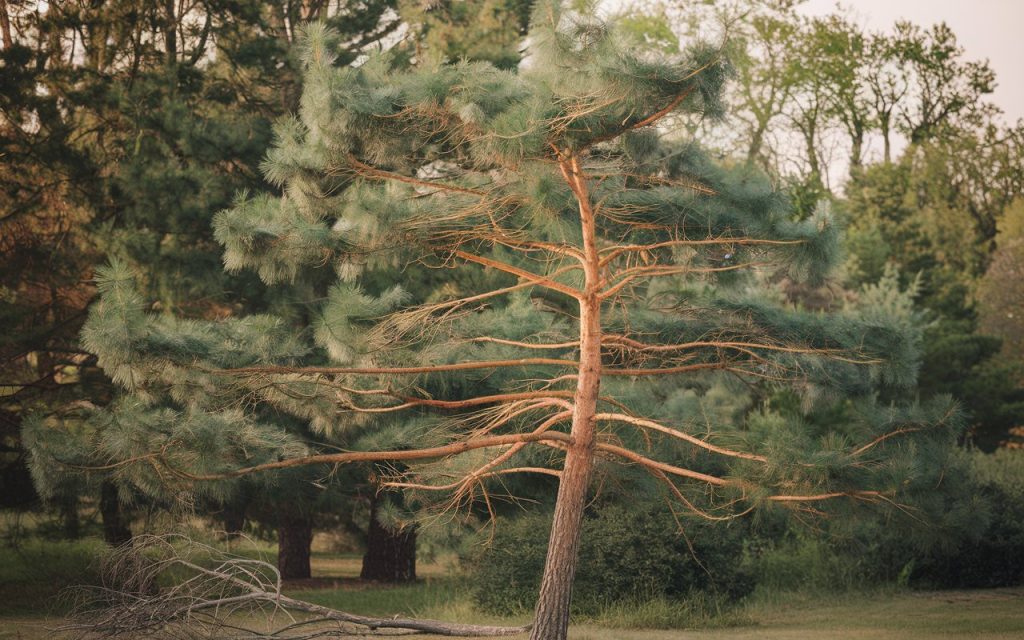
Thuja, particularly Thuja occidentalis, commonly known as Arbor vitae or white cedar, is a coniferous tree native to eastern North America and widely used in traditional and modern medicine. Its leaves and essential oils are utilized for various therapeutic purposes.
What is Thuja?
Thuja, commonly known as arborvitae, is a coniferous tree that belongs to the cypress family. Historically, it has been celebrated for its medicinal properties and is widely utilized in herbal medicine today. The leaves and essential oil extracted from Thuja have antifungal, antibacterial, and antiviral properties, making it a valuable natural remedy for various ailments.
Medicinal Uses
Thuja has a long history of use in folk medicine for treating several conditions, including:
- Respiratory Infections: It is used to alleviate symptoms of bronchitis, sinusitis, and the common cold. Some studies suggest that formulations combining thuja with other herbs can improve symptom severity and overall well-being in respiratory infections.
- Skin Conditions: Thuja oil is applied topically for warts, skin infections, and other dermatological issues due to its antimicrobial properties.
- Pain Relief: It may help with joint pain and muscle aches, often used in formulations for osteoarthritis and nerve pain.
- Immune Support: Thuja is considered an immunostimulant, potentially enhancing immune function and aiding recovery from infections.
Phytochemical Composition
The therapeutic effects of Thuja are attributed to its rich composition of bioactive compounds, particularly thujone, which exhibits antimicrobial, antifungal, and anti-inflammatory properties. However, thujone can be toxic in high doses, leading to side effects such as nausea, vomiting, and seizures.
Safety and Precautions
While thuja is likely safe when consumed in food amounts, caution is advised with medicinal doses. It is considered unsafe during pregnancy as it may induce miscarriage. Additionally, individuals with autoimmune diseases should avoid thuja due to its potential to stimulate the immune system excessively
Healing Benefits of Thuja
One of the primary healing benefits of Thuja is its ability to support the immune system. Research has shown that Thuja extracts can stimulate immune responses, potentially enhancing the body’s ability to fight infections. It is also known for its efficacy in treating skin conditions, such as warts, psoriasis, and eczema. Thuja oil is often used topically in diluted forms to help alleviate these issues.
comprehensive table detailing the use of Thuja (Thuja occidentalis), including indications, dosage, and forms of administration.
| Indication | Target Group | Form of Use | Dosage |
|---|---|---|---|
| Warts | Adults and children (over 2 years) | Topical application (oil/extract) | Apply 1-2 drops directly on the wart twice daily until resolved. |
| Psoriasis | Adults | Topical cream or ointment | Apply a thin layer to affected areas 1-2 times daily. |
| Eczema | Adults and children | Topical cream or ointment | Apply a thin layer to affected areas 1-2 times daily. |
| Respiratory infections | Adults | Capsules or tincture | Capsules: 500 mg 1-3 times daily; Tincture: 1-2 ml 2-3 times daily. |
| Skin irritations | Adults and children | Topical ointment | Apply as needed to affected areas, typically 2-3 times a day. |
| Immune support | Adults | Capsules or tincture | Capsules: 500 mg 1-2 times daily; Tincture: 1-2 ml 2-3 times daily. |
| Homeopathic remedy for skin issues | Adults and children | Homeopathic roll-on | Apply to affected area as needed; frequency varies based on symptoms. |
Notes:
- Always consult a healthcare provider before using Thuja, especially for children or if you have underlying health conditions.
- Topical applications should be performed on clean, dry skin.
- Dosages may vary based on individual health needs and specific product formulations.
Thuja in Homeopathy
In homeopathy, Thuja is utilized in the form of a roll-on remedy, which is commonly used for skin ailments, particularly those related to warts and other growths. This homeopathic approach underscores the tree’s reputation for promoting skin health and healing.
Applications of Thuja Ointment
Additionally, Thuja ointment is applied to treat various conditions, including skin infections and inflammatory issues. Its anti-inflammatory properties can provide relief from discomfort and enhance the healing process.
Conclusion
In conclusion, Thuja is a multifaceted plant with numerous applications in modern herbal and homeopathic medicine. Its potent healing properties and versatility make it a valuable addition to natural health practices.
References:
- Natural Medicines. “Thuja.” Retrieved from Natural Medicines.
- Homeopathic Pharmacopoeia of the United States. “Thuja Occidentalis.” Retrieved from HPUS.
- PubMed Central. “Efficacy of Thuja Occidentalis in Dermatological Treatments.” Retrieved from PubMed Central.