TMG (Trimethylglycine)
Betaine (trimethylglycine) functions very closely with choline, folic acid, vitamin B12, and a form of the amino acid methionine known as S-adenosylmethionine (SAMe). All of these compounds function as “methyl donors.” They carry and donate methyl molecules to facilitate necessary chemical processes. The donation of methyl groups by betaine is very important to proper liver function, cellular replication, and detoxification reactions. Betaine also plays a role in the manufacture of carnitine and serves to protect the kidneys from damage.
Dietary sources of betaine include fish, beetroot, and pulses. Betaine is most widely available as betaine hydrochloride (betaine-HCl), but that form is used primarily as a source of hydrochloric acid for people with low stomach acid.
What it does – Potential Uses
| Atherosclerosis | High homocysteine | Depression |
| Fatigue | Osteoporosis | Alzheimer’s disease |
| Angina | Cardiovascular health | Epilepsy |
Health Benefits and Uses of TMG
1. Lowering Homocysteine Levels
TMG is commonly used to manage elevated homocysteine levels, which are associated with cardiovascular issues. Research indicates that a daily intake of 4 grams can significantly reduce homocysteine concentrations without adversely affecting other cardiovascular markers. This makes TMG a valuable supplement for those looking to improve heart health.
2. Supporting Athletic Performance
Athletes often incorporate TMG into their routines to enhance physical performance. Studies suggest that TMG can improve body composition and exercise performance by increasing protein production and reducing fatigue. For optimal results, athletes might consider taking TMG before workouts to maximize energy levels.
3. Improving Liver Function
TMG has been shown to promote liver health by inhibiting inflammation and oxidative stress. It may be beneficial for individuals with liver diseases or those looking to support liver detoxification processes. Regular supplementation could be part of a comprehensive approach to maintaining liver function.
4. Enhancing Sleep Quality
Preliminary research suggests that TMG may improve sleep quality by increasing levels of S-adenosylmethionine (SAMe), which plays a role in regulating sleep patterns. Individuals struggling with sleep disturbances might consider taking TMG in the evening as part of their nighttime routine.
5. Supporting Cognitive Function
TMG supplementation has been linked to cognitive improvements, particularly in children with autism when combined with folinic acid. This suggests its potential role in enhancing cognitive function and supporting mental clarity.
6. Cardiovascular Health
In addition to its homocysteine-lowering effect, TMG, after conversion into Dimethylglycine (DMG), has been shown to lower cholesterol and to reduce angina and heart arrhythmias.
7. Anti-Depressant
Trimethylglycine also donates methyl groups in the brain to make SAMe and aid in the re-synthesis of mood elevating brain compounds such as serotonin and dopamine from their degraded by-products.
8. Anti-Convulsive
Due to its conversion to DMG and glycine, may reduce susceptibility to seizures.
Food Sources – TMG is naturally found in various foods, including:
- Wheat bran: 1,339 mg per 100 g
- Wheat germ: 1,241 mg per 100 g
- Spinach: 600-645 mg per 100 g
- Beets: 114-297 mg per 100 g
Incorporating these foods into your diet can help increase your TMG intake naturally
Benefits of TMG for Athletes:
- Improved Exercise Performance: it has been suggested to enhance exercise performance by supporting energy metabolism and reducing fatigue. It may help increase strength, power, and endurance, making it beneficial for athletes participating in high-intensity activities.
- Muscle Growth and Recovery: trimethylglycine supplementation may promote muscle growth and recovery by supporting protein synthesis and reducing exercise-induced muscle damage. This can lead to faster recovery between workouts and potentially greater gains in muscle mass.
- Cardiovascular Health: TMG has been shown to support cardiovascular health by promoting healthy homocysteine levels. Elevated homocysteine levels are associated with an increased risk of cardiovascular disease, and trimethylglycine supplementation may help reduce this risk among athletes.
- Hydration Support: this supplement is an osmolyte, meaning it helps regulate cell volume and water balance. This may be particularly beneficial for athletes training in hot and humid environments or engaging in activities that result in significant fluid loss through sweating.
Dosage Recommendations:
When it comes to TMG supplementation for athletes, dosage recommendations may vary depending on individual factors such as body weight, training intensity, and overall health status. However, typical dosages range from 1,000 to 3,000 milligrams per day, divided into two or three doses.
Below is a dosage table outlining recommended TMG dosages based on body weight:
| Body Weight (lbs) | TMG Dosage (milligrams/day) |
|---|---|
| Up to 150 | 1000-1500 |
| 151-200 | 1500-2000 |
| Over 200 | 2000-3000 |
A common approach is to split the total daily intake into two doses—one in the morning and another in the early afternoon—to maintain energy levels throughout the day.
It’s important for athletes to consult with a healthcare professional or sports nutritionist before starting TMG supplementation to determine the appropriate dosage and ensure it aligns with their individual needs and goals. Additionally, athletes should choose high-quality trimethylglycine supplements from reputable brands to ensure purity and potency.
Best TMG supplement – shortlist list of products:
| Name | Best for Use |
|---|---|
| Life Extension, TMG, 500 mg, 60 Liquid Vegetarian Capsules | Supporting cardiovascular health and maintaining healthy homocysteine levels. |
| NOW Foods, TMG, 1,000 mg, 100 Tablets | Supporting liver health, promoting normal methylation processes, and maintaining healthy homocysteine levels. |
| Life Extension, TMG Powder (Trimethylglycine), 1.76 oz (50 g) | Supporting cardiovascular health, promoting healthy homocysteine levels, and aiding in liver function. |
| Nutricost, TMG, 750 mg, 120 Capsules | Supporting overall health as a dietary supplement. |
| Kirkman Labs, TMG , 500 mg, 120 Capsules | Supporting heart health, enhancing athletic performance, and promoting healthy insulin levels. |
Life Extension, TMG, 500 mg, 60 Liquid Vegetarian Capsules
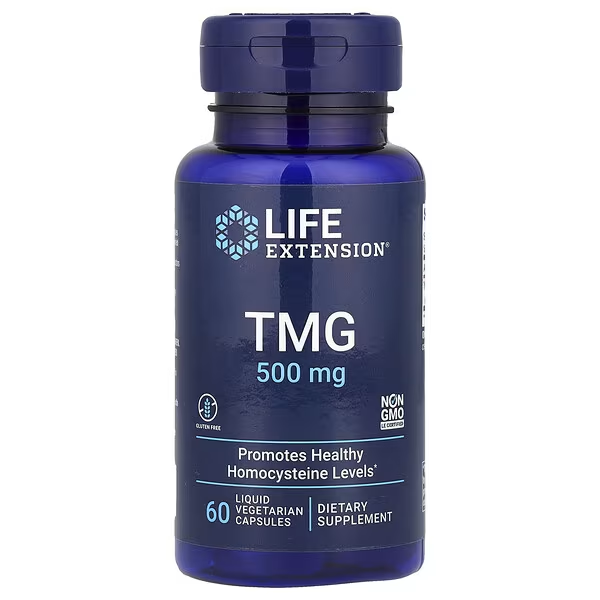
Best for Use: Supporting cardiovascular health and maintaining healthy homocysteine levels.
Short Description: Promotes cardiovascular health by supporting already-healthy homocysteine levels, encouraging a healthy inflammatory response, and maintaining healthy blood pressure and mitochondrial function. It contains Trimethylglycine (TMG), a heart-healthy amino acid compound with over 50 years of scientific research backing its benefits.
Rating by iHerb: 4.8
Number of Reviews: 3639
Dosage: 500mg
Capsules Per Bottle: 60 capsules
Price: $9.75
NOW Foods, TMG, 1,000 mg, 100 Tablets
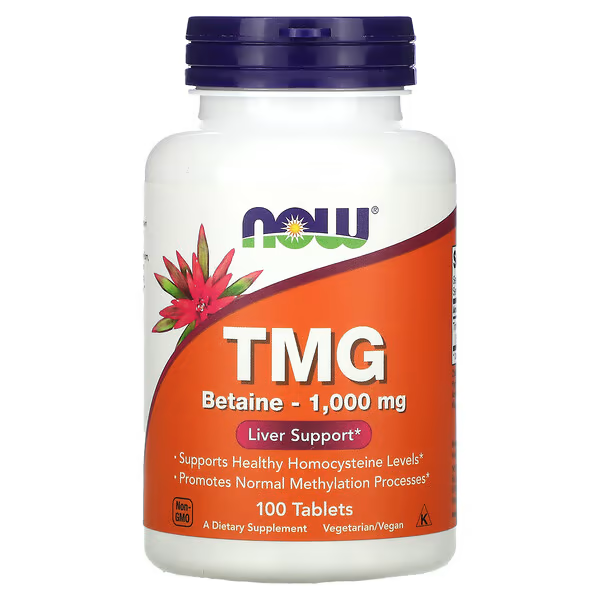
Best for Use: Supporting liver health, promoting normal methylation processes, and maintaining healthy homocysteine levels.
Short Description: Contains Betaine anhydrous, which supports liver health, facilitates methylation processes critical for DNA repair, detoxification, and lipid metabolism, and helps maintain healthy homocysteine levels.
Rating by iHerb: 4.8
Number of Reviews: 2803
Dosage: 1000mg
Capsules Per Bottle: 100 tablets
Price: $14.69
Life Extension, TMG Powder (Trimethylglycine), 1.76 oz (50 g)
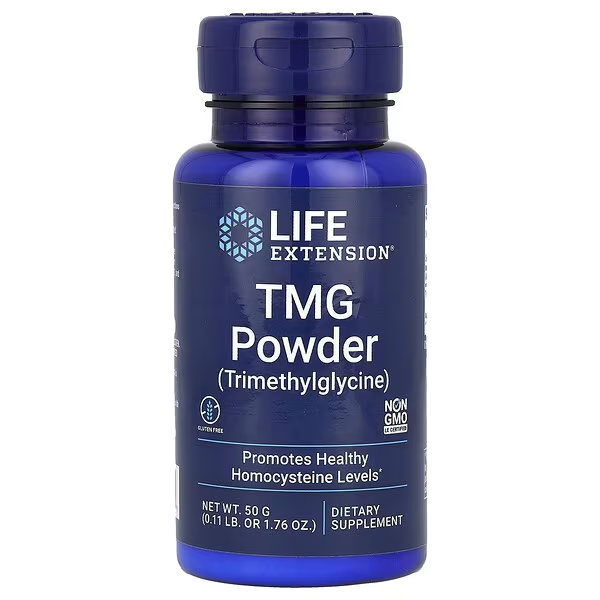
Best for Use: Supporting cardiovascular health, promoting healthy homocysteine levels, and aiding in liver function.
Short Description: Supplement, derived from sources like wheat bran and choline, supports cardiovascular health by maintaining healthy homocysteine levels and promoting liver function. It acts as a methyl donor, aiding in the conversion of homocysteine to methionine, and has been associated with supporting healthy blood pressure and mitochondrial function.
Rating by iHerb: 4.7
Number of Reviews: 602
Dosage: 500mg
Capsules Per Bottle: 1.76 oz (50 g)
Price: $10.5
Nutricost, TMG, 750 mg, 120 Capsules
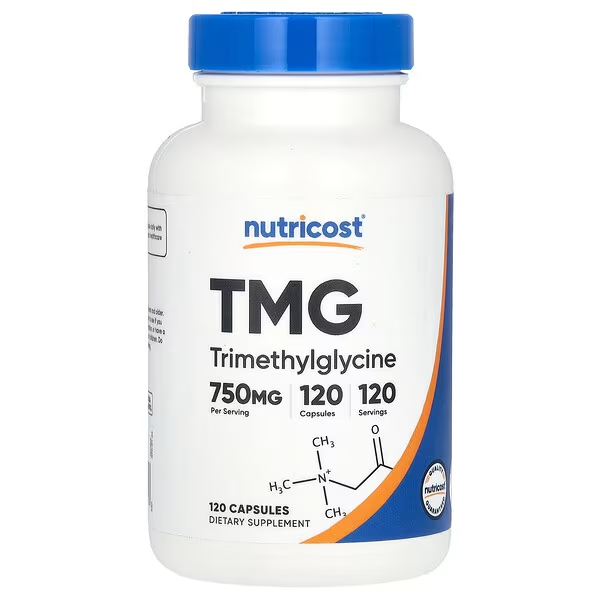
Best for Use: Supporting overall health as a dietary supplement.
Short Description: Supplement by Nutricost® is a dietary supplement that promotes overall health. It is made with quality ingredients, is third-party tested, and comes from a GMP compliant facility. Simply take 1 capsule daily as directed by your healthcare professional for easy incorporation into your daily routine.
Rating by iHerb: 4.8
Number of Reviews: 51
Dosage: 750mg
Capsules Per Bottle: 120 capsules
Price: $10
Kirkman Labs, TMG , 500 mg, 120 Capsules
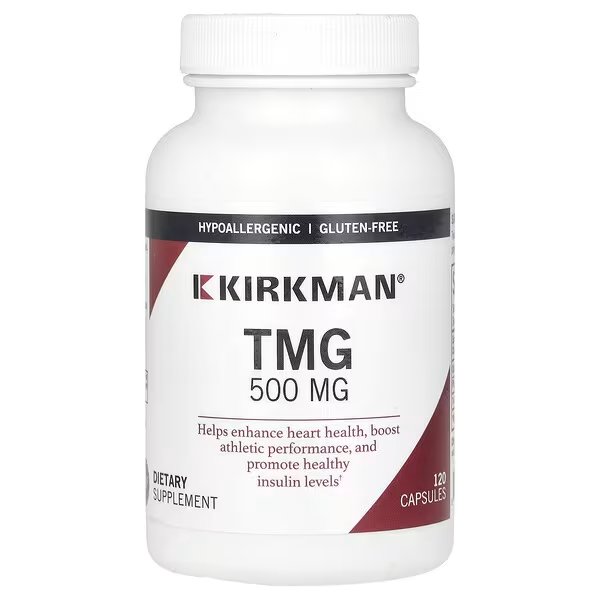
Best for Use: Supporting heart health, enhancing athletic performance, and promoting healthy insulin levels.
Short Description: This hypoallergenic dietary supplement helps enhance heart health, boost athletic performance, and promote healthy insulin levels. With a formula free of common allergens and manufactured in cGMP certified facilities, it’s a convenient choice for daily supplementation.
Rating by iHerb: 4.7
Number of Reviews: 437
Dosage: 500mg
Capsules Per Bottle: 120 capsules
Price: $35
Frequently asked questions
Does TMG cause water retention?
Yes, TMG can cause water retention. This is because TMG is an osmolyte, which means that it attracts water into cells. However, water retention caused by TMG is generally considered to be harmless.
Does TMG help inflammation?
Yes, TMG may help to reduce inflammation. This is because trimethylglycine can increase the production of glutathione, an antioxidant that helps to protect cells from damage.
Is TMG the SAME as creatine?
No, TMG is not the same as creatine. trimethylglycine is a naturally occurring substance that is found in food and can also be made by the body. Creatine is a substance that is produced by the body and stored in muscle cells. Creatine can be used to improve athletic performance and muscle mass.
Is TMG a vitamin?
No, TMG is not a vitamin. Vitamins are essential nutrients that the body cannot produce on its own. trimethylglycine is a non-essential nutrient, meaning that the body can produce it on its own. However, it is still an important nutrient that has a number of health benefits.
What does TMG do for the body?
TMG has a number of potential health benefits, including reduced inflammation, improved liver function, better athletic performance, increased muscle mass, improved cognitive function, and reduced risk of heart disease and cancer.
Is TMG worth taking?
Whether or not TMG is worth taking depends on your individual needs. If you are looking for a natural way to improve your health, trimethylglycine may be worth taking. However, it is important to talk to your doctor before taking TMG supplements, especially if you have any underlying health conditions.
Does TMG have side effects?
It is generally well-tolerated, but it can cause some side effects in some people, such as stomach upset, nausea, diarrhea, headache, dizziness, and rashes.
What time of day should I take TMG?
You can take it at any time of day. For general health, morning or afternoon is often preferred for an energy boost. For athletic performance, take it 30-60 minutes before a workout. To improve sleep, it can be taken before bed. The recommended daily dose is 500-1,500 mg.
What are the side effects of betaine trimethylglycine?
The side effects of betaine trimethylglycine (TMG) are generally mild and go away on their own. However, if you experience any side effects, stop taking it and talk to your doctor.
Conclusion
In conclusion, TMG supplementation holds promise as a natural ergogenic aid for athletes seeking to improve exercise performance, support muscle growth and recovery, and promote overall health and well-being. When used in conjunction with a balanced diet and proper training regimen, trimethylglycine may help athletes achieve their fitness goals and excel in their respective sports.
TMG offers a range of potential health benefits, particularly for cardiovascular health, athletic performance, liver function, sleep quality, and cognitive support. As with any supplement, it is advisable to consult with a healthcare professional before starting TMG supplementation, especially if you have underlying health conditions or are taking other medications.