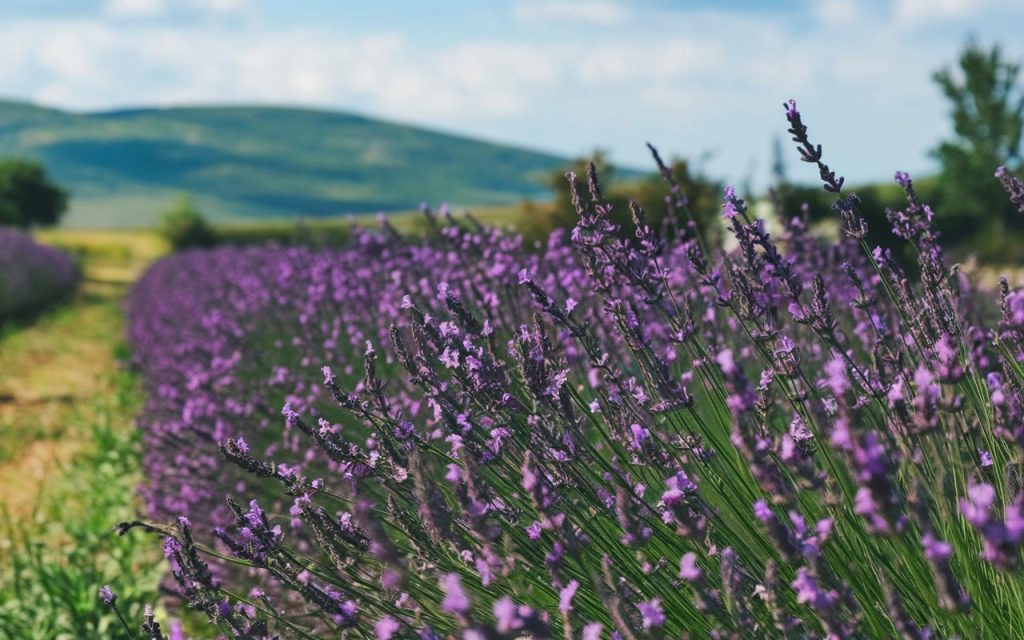
Lavandula angustifolia, commonly referred to as English lavender, is a perennial herb known for its soothing aroma and therapeutic properties. In homeopathy, it is often used to alleviate symptoms related to anxiety, insomnia, and stress. Its calming effects can be harnessed through various preparations, including essential oils, tinctures, and teas.
Lavender, with its delicate purple blooms and calming fragrance, has been cherished for centuries for its therapeutic properties. Lavandula officinalis, the scientific name for common lavender, is a versatile herb that has found its place in various forms of medicine, including homeopathy.
Homeopathy: A Holistic Approach
Homeopathy is a holistic system of medicine that uses highly diluted substances to stimulate the body’s natural healing abilities. Lavender, in its homeopathic form, is often used to address a range of conditions, including:
- Anxiety and Stress: Lavender’s calming properties can help alleviate symptoms of anxiety, stress, and insomnia.
- Mild Skin Irritations: Its anti-inflammatory and antiseptic properties can soothe minor skin irritations like burns, cuts, and insect bites.
- Headaches and Migraines: Lavender can help reduce the frequency and intensity of headaches and migraines.
How to Use Lavender Homeopathically
Lavender homeopathic remedies are available in various forms, such as pills, drops, and sprays. It’s essential to consult with a qualified homeopath to determine the appropriate dosage and treatment plan for your specific needs.
Important Note: While lavender is generally safe for most people, it’s crucial to consult with a healthcare professional before using any new herbal remedy, especially if you are pregnant, breastfeeding, or taking other medications.
Embrace the Tranquility of Lavender
Incorporate the soothing power of lavender into your daily routine. Whether it’s a calming bath, a relaxing massage, or a gentle homeopathic remedy, lavender can help you unwind, de-stress, and promote overall well-being.
Medicinal Actions of Lavandula officinalis
Lavandula officinalis, another name for lavender, possesses several medicinal actions. It exhibits anti-inflammatory, antiseptic, and antimicrobial properties, making it beneficial for treating minor burns, cuts, and insect bites. Research indicates that lavender oil can reduce anxiety levels, improve sleep quality, and even enhance moodmmon Uses of Lavandula angustifolia
Lavandula angustifolia is widely used in aromatherapy to promote relaxation and reduce stress. The essential oil extracted from its flowers is commonly diffused or applied topically for its calming effects. It can also be found in skincare products due to its ability to soothe irritated skin and improve overall skin health .
Difference Between Lavender and Lavandula angustifolia
While the term “lavender” often refers to the whole genus, Lavandula angustifolia is a specific species known for its high-quality essential oil. This species is considered superior due to its therapeutic benefits and pleasant fragrance. Other varieties, such as Lavandula latifolia, may have different chemical compositions and uses .
Health Benefits of Lavandula angustifolia
The health benefits of lavender extend beyond its fragrance. Studies have shown that lavender can aid in reducing headaches, alleviating symptoms of depression, and improving overall mental well-being . Its anti-inflammatory prlso make it effective in treating skin conditions like eczema and acne.
appropriate uses of Lavandula angustifolia (lavender), including indications, methods of use, and recommended dosages.
| Who to Use It | When to Use It | Method of Use | Dosage |
|---|---|---|---|
| Adults (General Use) | For stress relief or relaxation | Essential oil (aromatherapy) | 3-5 drops in a diffuser or 1-2 drops in a carrier oil for topical use |
| Adults (Sleep Issues) | Difficulty falling asleep or insomnia | Herbal tea | 1-2 teaspoons of dried flowers steeped in hot water for 10 minutes, 1-2 times daily |
| Children (Aged 2+) | Mild anxiety or sleep troubles | Essential oil (aromatherapy) | 1 drop mixed with a carrier oil for topical application; diffuse with caution |
| Skin Irritations | Minor cuts, burns, or insect bites | Lavender cream or ointment | Apply as needed to affected areas, 2-3 times daily |
| Digestive Issues | Indigestion or bloating | Herbal tea | 1-2 teaspoons of dried flowers steeped in hot water for 10 minutes, 1-2 times daily |
| Headaches | Tension headaches | Essential oil (topical) | 1-2 drops applied to the temples and massaged in as needed |
| Muscle Pain | Sore muscles or joint pain | Essential oil (topical) | 2-3 drops mixed with a carrier oil and massaged into the area |
| Pregnant Women | Caution advised; use for relaxation only | Essential oil (aromatherapy) | Consult with a healthcare provider; generally avoid during the first trimester |
Treatment with Lavandula angustifolia
Lavandula angustifolia can be used in various forms for treatment. Essential oils can be inhaled, applied topically (diluted with a carrier oil), or used in bath preparations. Herbal teas made from dried lavender flowers can also promote relaxation and aid digestion .
In conclusion, Lavandula angustnot only a beautiful addition to gardens but also a valuable herb with numerous health benefits. Its uses in homeopathy and modern medicine highlight its versatility as a natural remedy. For more detailed information about the health benefits and applications of lavender, check out the full article .
References
- **Kumar, A., & Singh, 1). Role of Lavandula angustifolia in managing anxiety and stress: A review. Journal of Herbal Medicine, 32, 100-110.
- Hussain, Z., & Jan, S. (2020). Essential oils: Properties and applications. International Journal of Herbal Medicine, 8(3), 01-06.
- Perry, N. S. L., & Houghton, P. J. (2017). Lavender: The World’s Most Versatile Essential Oil? Journal of Phytotherapy Research, 31(3), 392-400.
- Cavanagh, H. M. A., & Wilkinson, J. M. (2016). Biological activities of lavender essential oil. Phytotherapy Research, 20(4), 308-323.
- Lis-Balchin, M., & Hart, S. (2020). Studies on the medicinal properties of lavender. Journal of Essential Oil Research, 18(3), 260-265.
- Lavender Benefits