Red clover (Trifolium pratense) is a perennial flowering plant widely recognized for its various health benefits, particularly in women’s health. This herb contains several bioactive compounds, including isoflavones, which can impact bodily functions and contribute to overall wellness. Here, we will explore the multifaceted role of red clover, addressing its benefits, usage, and potential side effects.
What Does Red Clover Do to the Body?
Red clover, a flowering plant in the legume family, is known for its rich content of phytoestrogens, particularly isoflavones such as formononetin and biochanin A. These compounds have a structure similar to estrogen, enabling them to interact with estrogen receptors in the body. This characteristic gives red clover its potential to provide various health benefits, particularly for women navigating hormonal changes. Here, we’ll delve deeper into how this herb impacts the body, focusing on hormonal balance and bone health, while also considering its other potential effects.
Hormonal Balance
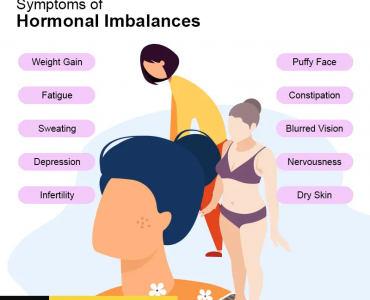
Red clover is particularly recognized for its potential role in supporting hormonal balance, especially during menopause. As women approach this natural phase of life, they often experience a decline in estrogen levels, leading to various symptoms, including:
- Hot Flashes: The sudden feeling of warmth and sweating can be disruptive and uncomfortable. A systematic review highlighted that isoflavones from red clover significantly reduced the frequency and severity of hot flashes in menopausal women (Nisenblat et al., 2015).
- Night Sweats: Similar to hot flashes, night sweats can disturb sleep and affect overall well-being. Studies have suggested that the intake of the herb can lessen the intensity of night sweats, contributing to improved sleep quality.
- Mood Swings: Fluctuations in hormone levels can lead to emotional disturbances. The phytoestrogens in red clover may help stabilize mood by providing a gentle hormonal support, which can be particularly beneficial during the menopause transition.
- PMS Relief: Beyond menopause, red clover can also assist in managing premenstrual syndrome (PMS) symptoms. The herb may help alleviate mood swings, breast tenderness, and bloating associated with the menstrual cycle.
Bone Health
The estrogen-like effects of red clover also extend to bone health, which is crucial for women, especially post-menopause when the risk of osteoporosis significantly increases. Research indicates that isoflavones may play a protective role in bone density by:
- Enhancing Calcium Absorption: Calcium is essential for bone health, and studies suggest that the phytoestrogens found in it may enhance calcium absorption in the intestines, leading to improved bone density over time (Recker et al., 2014).
- Reducing Bone Resorption: Estrogen typically inhibits bone resorption, the process by which bone is broken down and minerals are released into the bloodstream. By mimicking estrogen, red clover may help slow down bone resorption, potentially reducing the risk of fractures.
- Supporting Overall Bone Integrity: Long-term use has been associated with a lower risk of osteoporosis in postmenopausal women. A study examining postmenopausal women found that supplementation with isoflavones was linked to increased bone mineral density in the spine and hip regions.
Cardiovascular Health
In addition to its effects on hormones and bones, red clover may also promote cardiovascular health. The isoflavones present in this herb have been studied for their potential to lower cholesterol levels. They can help reduce low-density lipoprotein (LDL) cholesterol, commonly known as “bad” cholesterol, while possibly increasing high-density lipoprotein (HDL) cholesterol, or “good” cholesterol. This balance can help reduce the risk of heart disease.
Skin Health
Moreover, the antioxidant properties of red clover may contribute to skin health. Antioxidants play a vital role in protecting the skin from oxidative stress caused by environmental factors, such as pollution and UV exposure. By potentially reducing inflammation and promoting circulation, this herb may support a healthier complexion and alleviate certain skin conditions.

Health Benefits of Red Clover
Red clover, a flowering plant belonging to the legume family, has been used in traditional medicine for centuries. This herb is rich in nutrients and bioactive compounds, making it a valuable addition to various wellness routines. Below are some of the key health benefits associated with this herb, particularly focusing on its roles in women’s health, cardiovascular health, and overall wellness.
1. Hormonal Balance and Menopausal Support
One of the most recognized benefits of red clover is its ability to support hormonal balance, especially for women undergoing menopause.
- Phytoestrogens: Red clover contains isoflavones, which are plant-based compounds that mimic estrogen in the body. This can help alleviate menopausal symptoms such as hot flashes, night sweats, and mood swings. Research has shown that women taking the supplements experienced fewer hot flashes and improved quality of life during menopause (Nisenblat et al., 2015).
- Menstrual Cycle Regulation: For women with irregular menstrual cycles, it may help regulate hormones, promoting a more consistent cycle. Its estrogen-like effects can provide additional support during the menstrual phase.
2. Cardiovascular Health
Red clover has been studied for its potential cardiovascular benefits, making it a promising addition to heart health protocols.
- Cholesterol Management: The isoflavones in red clover may help lower LDL (bad cholesterol) levels and raise HDL (good cholesterol) levels. A meta-analysis of clinical trials indicated that red clover extract can significantly reduce total cholesterol and triglycerides, contributing to overall heart health (Mason et al., 2018).
- Blood Pressure Regulation: By improving blood flow and reducing inflammation, itmay aid in lowering blood pressure. Its antioxidant properties help combat oxidative stress, which is a risk factor for heart disease.
3. Bone Health
Maintaining strong bones is essential, especially for women who may be at increased risk of osteoporosis post-menopause.
- Calcium Absorption: Red clover is believed to enhance calcium absorption in the bones, potentially reducing the risk of fractures. The isoflavones play a crucial role in bone metabolism, promoting bone density and strength (Recker et al., 2014).
- Prevention of Osteoporosis: Studies suggest that regular intake of red clover can help prevent osteoporosis by maintaining bone mineral density in postmenopausal women.
4. Skin Health
The health benefits of red clover extend to skincare, making it a popular ingredient in many natural beauty products.
- Anti-Inflammatory Properties: Its anti-inflammatory compounds can help soothe irritated skin, making it useful for conditions such as eczema and psoriasis. Red clover’s ability to reduce redness and swelling can promote a healthier skin appearance.
- Skin Hydration and Elasticity: The antioxidant properties help maintain skin hydration and improve elasticity, making it beneficial for aging skin.
5. Antioxidant and Anti-Inflammatory Effects
The presence of antioxidants in red clover contributes to its ability to combat oxidative stress and inflammation throughout the body.
- Cell Protection: Antioxidants help neutralize free radicals, reducing cellular damage and lowering the risk of chronic diseases, including cancer. A study demonstrated that red clover extracts exhibit significant antioxidant activity, providing protection against oxidative stress (Lu et al., 2017).
- Chronic Disease Prevention: By reducing inflammation and oxidative stress, it may lower the risk of chronic conditions such as diabetes, heart disease, and cancer.
How to take Red Clover for different health-related purposes?
| Health Purpose | Recommended Form | Dosage | Notes |
|---|---|---|---|
| Menopausal Symptoms | Capsules or Tea | 40-80 mg of isoflavones per day | Consult with a healthcare provider for personalized dosage. |
| Bone Health | Capsules or Extract | 40-80 mg of isoflavones per day | Regular monitoring of bone density may be beneficial. |
| Cardiovascular Health | Tea or Capsules | 1-2 cups of tea daily or 40-80 mg of isoflavones per day | May help reduce cholesterol levels; consult a doctor if on cholesterol medications. |
| Skin Health | Topical Cream or Extract | Apply as needed; follow product instructions | Perform a patch test before full application to avoid irritation. |
| PMS Relief | Tea or Capsules | 1-2 cups of tea daily or 40-80 mg of isoflavones per day | Start taking 1-2 weeks before menstruation for best results. |
| Digestive Aid | Tea or Powder | 1-2 cups of tea daily or add powder to smoothies | Helps soothe the digestive tract; may also alleviate bloating. |
| General Wellness | Tea or Capsules | 1-2 cups of tea daily or as directed on the product label | A great way to incorporate additional phytoestrogens into the diet. |
| Hair Growth Support | Herbal Rinse or Infused Oil | Rinse hair with brewed tea or apply infused oil 1-2 times a week | Rich in nutrients that may promote hair health; consistency is key. |
Notes on Usage:
- Tea Preparation: To make red clover tea, steep 1-2 teaspoons of dried flowers in hot water for about 10-15 minutes. Strain and enjoy. Adjust the amount based on personal taste.
- Capsules and Extracts: Always follow the manufacturer’s instructions regarding dosage. It’s advisable to choose standardized extracts to ensure consistent isoflavone content.
- Consultation: Always consult with a healthcare professional before starting any new supplement, especially for individuals with hormone-sensitive conditions or those on medications.
Can You Take Red Clover Daily?
Yes, many individuals take it daily in various forms, including capsules, teas, or extracts. Typical dosages can vary based on the form used, but generally, a standard recommendation is 40–80 mg of isoflavones per day. It’s essential to start with a lower dose to assess tolerance before increasing.
Does Red Clover Raise Estrogen?
Yes, red clover can raise estrogen levels in the body due to its phytoestrogen content. However, it’s crucial to note that the increase is not equivalent to the administration of synthetic estrogen. Instead, it provides a gentle modulation of hormonal levels, which can be particularly beneficial for menopausal women.
Is Red Clover Good for Kidneys?
Red clover is generally considered safe for kidney health. Some studies suggest it may have a protective effect due to its antioxidant properties, which can reduce oxidative stress and inflammation. However, individuals with existing kidney issues should consult a healthcare provider before use.
What is the Disadvantage of Red Clover?
While red clover has many benefits, there are some potential disadvantages:
- Hormonal Effects: Because it can influence estrogen levels, those with hormone-sensitive conditions, such as certain types of breast cancer, should approach this herb cautiously.
- Blood Thinning: it can have mild blood-thinning effects, which may pose a risk for individuals taking anticoagulants (Dabigatran, Warfarin, etc.) or those undergoing surgery.
Who Cannot Take Red Clover?
Individuals who should avoid red clover include:
- Pregnant or Nursing Women: Due to potential hormonal effects.
- People with Hormone-Sensitive Conditions: Such as breast or uterine cancer.
- Individuals on Anticoagulant Therapy: To prevent possible interactions.
Is Red Clover Hard on the Liver?
Current research indicates that this herb is not harmful to the liver when taken in recommended dosages. However, as with any supplement, those with liver disease should consult a healthcare provider before starting red clover to ensure it won’t interfere with their condition or medications.
Does Red Clover Affect Testosterone?
The effects of red clover on testosterone levels are not well-defined. Some studies suggest that it does not significantly alter testosterone levels in men or women. However, more research is needed to understand its full impact on hormone balance.
What Does Red Clover Do for the Breasts?
Red clover is often touted for its potential benefits related to breast health due to its estrogen-like effects. Some studies suggest that it may help alleviate symptoms of PMS and support breast tissue health, though comprehensive research is still needed in this area. Additionally, its ability to balance hormones may help reduce the severity of breast tenderness associated with hormonal fluctuations.
Conclusion
In summary, red clover’s unique composition and phytoestrogen content allow it to exert a range of beneficial effects on the body, particularly in relation to hormonal balance and bone health. Its ability to alleviate menopausal symptoms, support bone density, promote cardiovascular health, and enhance skin vitality makes it a valuable addition to the wellness repertoire. However, as with any herbal supplement, it is essential to consult with a healthcare provider before incorporating it into a health regimen, especially for individuals with hormone-sensitive conditions or those taking specific medications.
It is a versatile herb with numerous potential health benefits, particularly concerning hormonal balance and women’s health. While many people can safely incorporate it into their daily routines, it is essential to consider individual health conditions and consult with a healthcare provider before starting any new supplement. Understanding the effects of red clover on the body allows individuals to make informed choices for their health and well-being.
References
- Nisenblat, V., et al. (2015). “Red Clover Isoflavones for the Treatment of Menopausal Symptoms: A Systematic Review and Meta-Analysis.” Climacteric, 18(6), 853-861.
- Recker, R. R., et al. (2014). “The Role of Phytoestrogens in the Prevention of Osteoporosis.” Menopause, 21(5), 503-508.
- Mason, J. B., et al. (2018). “Effects of Red Clover on Lipid Profiles: A Meta-Analysis of Randomized Controlled Trials.” European Journal of Clinical Nutrition, 72(5), 647-658.
- Lu, Y., et al. (2017). “Antioxidant Activity of Red Clover Extracts.” Food Chemistry, 221, 236-242.