Vitamin B5 is a water-soluble vitamin required to sustain life (it’s an essential nutrient). Pantothenic acid is needed to form coenzyme-A , and is critical in the making and use of carbohydrates, proteins, and fats. Its name is derived from the Greek pantothen meaning “from everywhere” and small quantities of pantothenic acid are found in nearly every food; deficiencies are exceptionally rare.
| Function | How it helps |
|---|---|
| Production of energy | Essential to the use of fats, carbohydrates and protein in the body. |
|
Production of neurotransmitters
|
Neurotransmitters such as Acetylcholine are essential for nerves to work. |
| Stress Reduction | Used in the treatment of adrenal exhaustion; often called the anti-stress hormone. |
|
Synthesis of hormones and cholesterol
|
It’s needed to synthesise fatty acids, cholesterol; adrenal, reproductive and growth hormones; haemoglobin; antibodies and phospholipids. |
| Anti-Arthritic | Helps relieve symptoms of rheumatoid arthritis such as pain and stiffness. |
Best food sources of Vitamin B5 |
||
|---|---|---|
|
Fish |
Legumes | |
|
Whole grains |
Milk |
Eggs |
|
Liver |
Nuts |
Meat |
|
Soybeans |
Poultry |
Royal jelly |
Deficiency Symptoms (these are similar to other vitamin B deficiencies) |
||
|---|---|---|
| Fatigue | Adrenal insufficiency |
Duodenal ulcers |
| Allergies | Hepatic encephalopathy |
Upper respiratory infections |
| Nausea | Low stress tolerance |
Rheumatoid arthritis |
| Abdominal pain |
Hypoglycaemia |
Skin problems |
Supplementation dosage range
Adolescents 14-18 years, 5mg per day
Adult men 19 years and older, 5mg per day
Adult women, 6mg per day
Other information
Pantothenic acid has been shown by one author to be effective in the treatment of Acne (Dr. Lit-Hung Leung 1995). High doses of Vitamin B5 were seen to resolve acne and decrease skin pore size.
However. it should be noted that Dr. Leung’s study is, to date, the only study looking at the effect of Vitamin B5 on acne and few if any dermatologists prescribe high-dose pantothenic acid for acne.
Cautions
No known toxicity for levels found in supplements.
High doses may decrease the effectiveness of the drug levodopa in Parkinson’s Disease (however it appears that carbidopa-levodopa is not adversely influenced in this way).
High doses should be avoided by haemophiliacs unless under medical supervision.
Acetylcholine-elevating supplements should be avoided in clinical (non-bipolar) depression unless medically supervised, as they may deepen depression in some cases. Though this concern is mentioned more commonly in reference to choline and phosphatidylcholine, it may be advisable to also avoid high doses of pantothenic acid in such cases unless medically supervised.
High doses of single B-vitamins may deplete other B-vitamins; therefore if high doses are required, supplementation with a multivitamin or B-complex is advised.
| Factors which deplete levels, impair absorption and/or inhibit activity: | ||
|---|---|---|
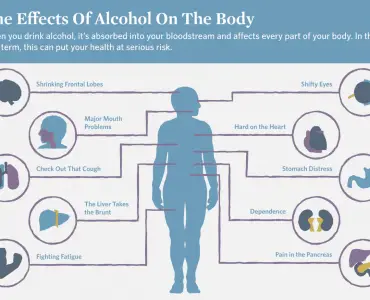
| Alcohol | Antibiotics | Stress |
| Ulcerative colitis | Tobacco | |