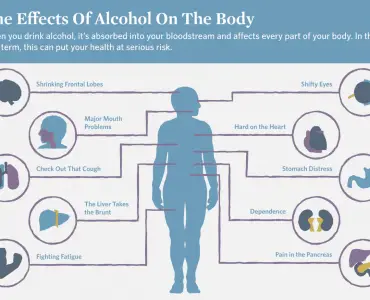
When someone quits drinking alcohol, finding healthy alternatives to replace the habit is crucial to maintaining sobriety and preventing relapse. Here are some effective ways to substitute alcohol while addressing the social, emotional, and physiological aspects of quitting:
| Substitute | Benefits | Example |
|---|---|---|
| Non-alcoholic beverages | Reduces social pressure and cravings | Mocktails, kombucha, herbal teas |
| Exercise | Boosts mood, reduces stress | Yoga, running, swimming |
| Creative hobbies | Provides fulfillment, distracts from drinking | Painting, music, cooking |
| Support groups | Builds accountability and community | Alcoholics Anonymous, sober networks |
| Nutritional support | Restores body health, reduces cravings | Healthy snacks, probiotics |
| Therapy/counseling | Addresses emotional reasons for drinking | Cognitive-behavioral therapy (CBT) |
| Mindfulness and meditation | Reduces anxiety and stress | Meditation, breathing exercises |
Based on insights shared from the Reddit forum, here are additional tips and suggestions for
Replacing alcohol when quitting drinking:
1. Flavored Seltzer Waters
- Many people enjoy flavored seltzer waters as an alternative to alcohol because of their refreshing, bubbly nature. Popular brands like LaCroix or those from Costco offer big packs that can satisfy the same “cold, bubbly itch” as beer or cocktails, making them a great everyday option without the calories or sugar of soft drinks.
2. SodaStream and Citrus
- Using a SodaStream allows you to make your own carbonated beverages at home. You can add a twist of fresh citrus—lemon, lime, or orange—to create a refreshing, customizable drink. This not only saves money but also offers control over flavors and sweetness.
3. Kombucha
- For those who miss the fermented, tangy flavor of alcohol, kombucha is a popular choice. It is non-alcoholic, bubbly, and somewhat similar to beer or cider in taste. However, it’s important to choose low-sugar options like the “Humm” brand to avoid excess calories. Some even suggest brewing your own kombucha at home to save money and customize flavors.
4. Mocktails and Virgin Cocktails
- If you enjoy the ritual of making and sipping on cocktails, try mocktails or virgin cocktails. These are non-alcoholic versions of popular drinks like mojitos or margaritas. You can find creative recipes online that involve ingredients like fresh fruit, herbs, and syrups without the alcohol. They provide a fun and festive alternative, especially for social occasions
Non-Alcoholic Spritz Recipe
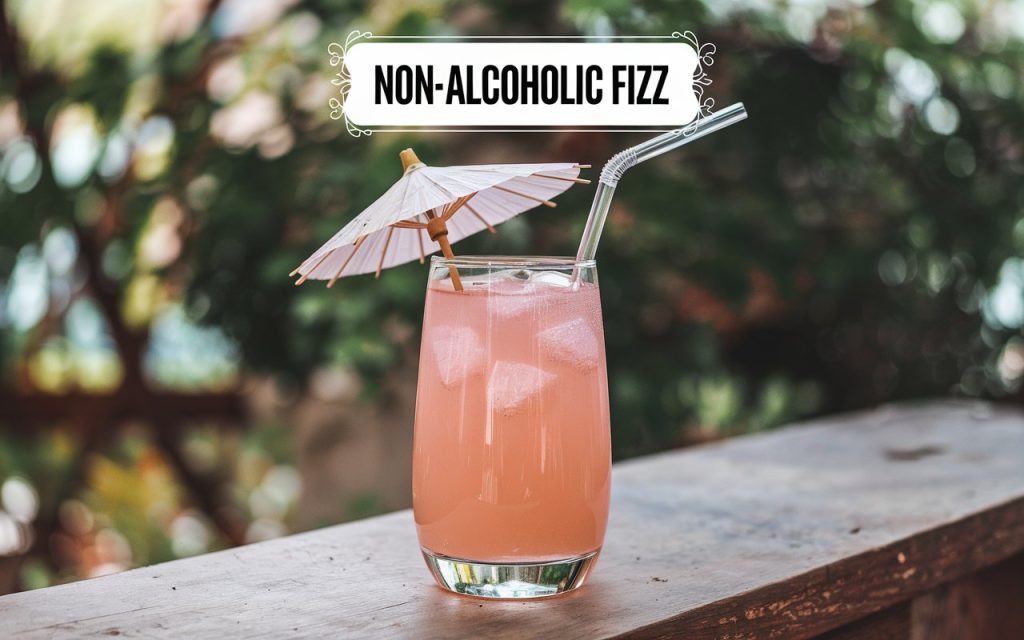
Enjoy a refreshing and flavorful Non-Alcoholic Spritz, perfect for a light and bubbly treat without the alcohol. This recipe uses a combination of citrus, sparkling water, and a touch of sweetness for a vibrant, mocktail-style drink.
Ingredients:
- 1/2 cup sparkling water (or club soda)
- 1/2 cup non-alcoholic bitter aperitif (such as Lyre’s Italian Spritz or other alternatives)
- 1/4 cup freshly squeezed orange juice
- 1-2 teaspoons simple syrup (optional, adjust for sweetness)
- Ice cubes
- 1 slice orange or lemon for garnish
- A few sprigs of fresh mint (optional for garnish)
Instructions:
- Fill a glass (preferably a wine glass or tumbler) with ice cubes.
- Add the non-alcoholic bitter aperitif and fresh orange juice into the glass.
- Top with sparkling water, stirring gently to combine the ingredients.
- Taste the spritz and, if desired, add simple syrup to adjust the sweetness to your liking.
- Garnish with a slice of orange or lemon and fresh mint sprigs for an extra burst of flavor and aroma.
- Serve immediately, enjoying your refreshing, alcohol-free spritz!
This non-alcoholic spritz is perfect for social gatherings, brunches, or as a relaxing drink at the end of the day. Its crisp, citrusy flavors will leave you feeling refreshed without the need for alcohol.
5. Tea and Coffee
- Hot tea is another excellent alternative, offering a wide variety of flavors and types. The process of sipping tea helps occupy your hands and mouth, similar to holding a drink. If you prefer something with a stronger taste, black coffee can also be a satisfying replacement. Coffee’s rich, bold flavor may appeal to those who miss the complexity of alcoholic drinks.
6. Juices and Smoothies
- In countries where alcohol is banned, fresh juices are often the go-to substitute. Instead of overly sweet, sugary juices, try exploring fresh juices from Turkish or Middle Eastern stores, which offer a wide variety of rich, flavorful options. Alternatively, making smoothies or using a juicer allows you to create nutrient-packed drinks tailored to your taste.
7. Italian Sodas and Flavored Lemonades
- Italian sodas made with flavored syrups and sparkling water can be a sophisticated non-alcoholic alternative. You can also make your own flavored lemonades, which are both refreshing and customizable.
8. Replace the Ritual
- For some, it’s not just the alcohol but the ritual around drinking that is hard to let go. Instead of trying to replicate the feeling with a drink, consider replacing the activity itself. Engage in something enjoyable like reading a book, knitting, playing a game, or going for a walk to fill the space that drinking once occupied.
9. Weed Edibles (Where Legal)
- Some people mentioned replacing alcohol with weed edibles or cannabis in areas where it is legal. While this option isn’t for everyone, it provides a relaxing alternative that some find useful in social situations or for winding down at the end of the day.
10. Make Your Own Drinks
- You can also try your hand at making your own beverages, like tepache, a fermented pineapple drink, or even brewing your own kombucha at home. This can be a fun, cost-effective hobby that allows you to experiment with flavors while enjoying a satisfying drink.
11. Coconut Water
Coconut water is an excellent alcohol alternative due to its hydrating properties and mineral content. Rich in calcium, potassium, and other electrolytes, it helps replenish your body while being naturally sugar-free. This makes it not only great for hydration after drinking but also a daily substitute for alcoholic beverages. Serve it chilled with ice cubes and frozen berries for a tropical twist, adding a healthy dose of vitamins and refreshing flavors.
12. Adaptogen Blends
Adaptogens like reishi mushroom, lemon balm, and passionflower are perfect for those seeking a more holistic replacement for alcohol. Known for their ability to reduce stress and promote relaxation, adaptogens help shift your body from a “fight or flight” state to one of calm. These herbal blends can be mixed with water or juice, creating a healthy mocktail with earthy undertones. Brands like DIRTEA and Four Sigmatic offer convenient powders that mix well into drinks, while London Nootropics provides sachets that can easily fit into your daily routine.
13. Drinking Vinegars
Drinking vinegars are an ancient beverage that has gained popularity for its digestive benefits and refreshing taste. Infused with fruits, these vinegars offer a tangy yet sweet alternative to alcohol. When mixed with sparkling water and served over ice with a garnish, they create a sophisticated and flavorful drink. Brands like The Wasabi Company offer a variety of flavored drinking vinegars, providing a satisfying alcohol-free option that supports gut health.
14. De-Alcoholized Wine
For wine lovers who want to enjoy the ritual of opening a bottle without the alcohol, de-alcoholized wine is the ideal choice. Made through the usual fermentation process, the alcohol is removed, leaving behind the flavor, body, and health benefits associated with traditional wine. You can enjoy the richness of red wine without the risk of hangovers or headaches. Available in most supermarkets and at affordable prices, this option allows you to enjoy your favorite wine flavors guilt-free.
These additional alternatives offer a wide range of healthy and flavorful options for those seeking to reduce or eliminate alcohol while still enjoying a satisfying drink.
Healthy Alcohol Alternatives: Relax Without the Negative Effects
If you’re looking for alternatives to alcohol that help you unwind and relax, you’re not alone. Many people turn to a glass of wine or beer after a long day to decompress, but there are healthier and more effective ways to achieve the same sense of relaxation.
Physical Activity as an Alternative to Alcohol
Research from the University of Chicago highlights that cardiovascular exercise and strength training are excellent ways to reduce stress. Exercise triggers the release of endorphins, known as “feel-good” hormones, while also reducing levels of cortisol and adrenaline—the body’s primary stress hormones. By incorporating regular physical activity, you can experience a natural high and a sense of relaxation similar to what alcohol offers, but without the negative health consequences.
Socializing Without Alcohol
Many people associate drinking with socializing, as alcohol releases dopamine, the brain’s pleasure chemical. However, socializing on its own can also give you that dopamine boost. According to experts like Fairbairns, replacing your evening drinks with a fun activity like climbing or group sports is a great way to bond with friends and still experience that sense of connection. You’ll not only avoid the adverse effects of alcohol but also gain the benefits of an adrenaline-fueled adventure.
CBD as a Relaxation Alternative
CBD (cannabidiol) has become a popular alternative for those looking to relax without the downsides of alcohol. Though not for everyone, CBD can provide a similar calming effect, helping you unwind after a stressful day. Unlike alcohol, CBD doesn’t carry the risk of a hangover, though it may not be as effective for all users. For those seeking a natural, plant-based solution, adaptogens like ashwagandha may be a better option. These compounds can help reduce anxiety and promote relaxation without the need for alcohol.
How Quitting Alcohol Improves Your Health
The benefits of cutting down or completely stopping alcohol consumption are vast. According to Michaela Weaver, a TED speaker and alcohol coach, quitting alcohol can significantly reduce feelings of stress. While many people believe alcohol helps them relax, regular drinking often contributes to stress, sleep issues, and overall fatigue.
Incorporating healthy alternatives into your lifestyle—whether through physical activity, herbal drinks, or plant-based supplements—can help you unwind without alcohol, improving both your physical and mental health in the long term.
1. Non-Alcoholic Drinks
- Herbal teas: Chamomile, mint, and lavender can help reduce stress and promote relaxation.
- Sparkling water: With a splash of citrus or berries, it can mimic the bubbly sensation of alcoholic beverages.
- Mocktails: These alcohol-free versions of cocktails can be enjoyed at social events and give the feeling of participation without the risk of drinking.
- Kombucha: This fermented tea offers a tangy, fizzy option and can provide probiotics that may benefit gut health.
- Flavored water: Infuse water with fruits, vegetables, or herbs like cucumber and mint to keep hydration interesting.
2. New Healthy Habits
- Exercise: Physical activity releases endorphins, helping to improve mood and reduce cravings. Activities like yoga, running, or swimming can be both physically and mentally rewarding.
- Meditation and mindfulness: These practices help reduce stress and anxiety, which can be triggers for drinking.
- Creative outlets: Hobbies like painting, writing, or playing music can fill time that might have been spent drinking and provide emotional fulfillment.
- Learning new skills: Pick up a new language, learn to cook, or start a hobby that excites you—focusing on personal growth helps to replace the time and energy previously devoted to alcohol.
3. Social Adjustments
- Engage in sober activities: Opt for events that don’t revolve around alcohol, such as hiking, game nights, or art classes.
- Support groups: Consider joining groups like Alcoholics Anonymous (AA) or other sobriety networks where you can find a sense of community and accountability.
- Sober-friendly restaurants and bars: Many establishments now offer non-alcoholic options, creating a social space without the pressure to drink.
4. Nutritional Support
- Healthy snacks: Nuts, seeds, and fruits can satisfy cravings and stabilize blood sugar levels, reducing the temptation to drink.
- Supplements: Some people find that vitamins like B-complex, magnesium, and omega-3 fatty acids help with withdrawal symptoms and improve mood.
- Probiotics: Since alcohol can damage gut health, probiotics (from foods like yogurt or supplements) may help restore balance in the digestive system.
5. Emotional and Psychological Support
- Counseling or therapy: Professional support from a therapist can be invaluable in understanding and addressing the emotional reasons for drinking.
- Journaling: Keeping a daily journal helps track progress, recognize triggers, and celebrate milestones.
- Building a strong support system: Surround yourself with family and friends who respect your decision to quit and provide emotional support.
6. Stress Management Techniques
- Breathing exercises: Simple deep breathing techniques can help manage cravings and reduce anxiety.
- Massage or acupuncture: These therapies help alleviate stress and promote relaxation, reducing the urge to drink.